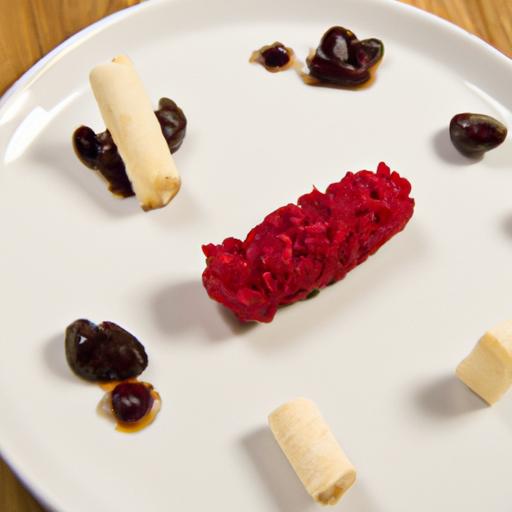

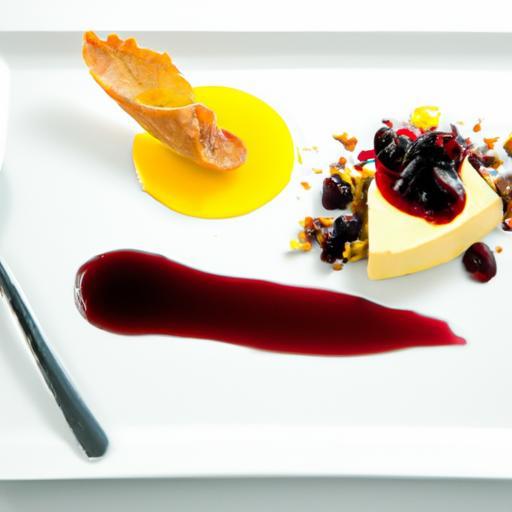
Beneath the delicate allure of a dessert lies a world waiting to be discovered-a terrain where texture, taste, and inventiveness collide. Welcome to the intriguing realm of white chocolate soil garnish,an artistic culinary technique that transforms sweets into edible landscapes. More than just a decorative flourish, white chocolate soil adds depth and contrast, turning each bite into an exploration of flavors and sensations. In this article, we’ll dig into the art of crafting this enchanting garnish, uncovering the secrets behind its texture, flavor balance, and the creative possibilities it offers to chefs and home cooks alike. Prepare to embark on a flavorful journey that elevates dessert plating from simple to sublime.
White chocolate soil is a interesting element in modern gastronomy, transforming desserts into edible landscapes that mesmerize both the eyes and palate. Rooted in the marriage of rich, creamy white chocolate and the rustic, earthy texture reminiscent of natural soil, this garnish elevates any dish with its unique balance of sweetness and crunch. Inspired by contemporary pastry artistry,white chocolate soil offers a multisensory experience that invites chefs and home cooks alike to explore texture,flavor contrast,and visual storytelling within their culinary creations.
Prep and Cook Time
- Planning: 15 minutes
- Baking: 12 minutes
- Cooling time: 10 minutes
- Total Time: 37 minutes
Yield
Approximately 1 ½ cups of white chocolate soil – perfect for garnishing 6 to 8 desserts.
Difficulty Level
Medium – requires careful attention to texture and baking time for the perfect crumble.
Ingredients
- 100g white chocolate, finely chopped
- 50g all-purpose flour, sifted
- 35g powdered sugar
- 30g ground almonds
- 25g cocoa powder (preferably Dutch-processed for deep color)
- 40g cold unsalted butter, diced
- 10g instant espresso powder (optional, for subtle earthiness)
- Pinch of salt
Instructions
- Preheat your oven to 150°C (300°F). Line a baking sheet with parchment paper.
- Combine the sifted flour, powdered sugar, ground almonds, cocoa powder, instant espresso powder, and salt in a medium bowl. Whisk together until evenly mixed.
- Add the diced cold butter and rub it into the dry ingredients using your fingertips until the mixture resembles coarse breadcrumbs with some pea-sized lumps. This creates the crumbly texture essential for soil.
- Stir in the finely chopped white chocolate, distributing it evenly but gently so chunks don’t melt prematurely.
- Scatter the mixture evenly on the prepared baking sheet, breaking up any large clumps by hand to maintain a crumbly consistency.
- Bake in the preheated oven for 10-12 minutes, keeping a close eye to ensure it doesn’t brown too deeply.The soil should be dry, crunchy, but not burnt.
- Remove from the oven and allow to cool wholly on the tray. The soil will crisp further as it cools.
- Transfer cooled white chocolate soil to an airtight container for storage or immediate use.
Tips for Success
- Texture control: For more crunch, pulse the mixture slightly less when incorporating butter; for finer soil, pinch it down more thoroughly before baking.
- Flavor variations: Swap the instant espresso powder with finely ground matcha for an earthy green twist or add a teaspoon of smoked paprika for a surprising savory note.
- Make ahead: store in an airtight container at room temperature for up to 5 days. Re-crisp in a low oven (120°C/250°F) if it softens.
- White chocolate handling: Avoid melting the chocolate during mixing to keep delightful bursts of creamy sweetness in the final soil.
Serving Suggestions
White chocolate soil is a stunning foundation to elevate plated desserts. Scatter it beneath panna cotta or mousse domes to simulate “earth,” or use it as a crunchy topper for fruit tarts and semifreddos. Combine with fresh berries, edible flowers, and a drizzle of berry coulis or passion fruit syrup for vibrant contrast. Creative chefs have even paired it with pistachio ice cream or used it as a textured crust in parfait glasses, layering multiple elements for depth and intrigue. Garnishing with small mint leaves or crystallized ginger pieces adds freshness and color, enhancing the visual impact.
Mastering Texture and Presentation Techniques for Visual Impact with White chocolate Soil
Achieving the ideal texture in white chocolate soil requires balancing crispiness with slight crumble and occasional pockets of soft white chocolate. Avoid over-baking to keep it from turning rock-hard; it should resemble moist garden soil with distinct granules. For striking presentation, use it to create miniature “landscapes” on plates-incorporate edible flowers, delicate sugar work, or sculptural pieces to build height and dimension. Applying the soil with a fine mesh sieve or spoon helps distribute it evenly and artistically. Take inspiration from nature’s irregularity, mixing tight clusters with loose spreads for a dynamic, organic aesthetic.
| Nutrient | Per Serving (approx.) |
|---|---|
| Calories | 115 kcal |
| Protein | 1.5 g |
| Carbohydrates | 9 g |
| Fat | 8 g |
for more inspiration on creative dessert techniques,check our article on Mastering Dessert Texture Contrast. Further reading on the fascinating chemistry behind chocolate’s structure can be found at the International Chocolate Institute.

Q&A
Q&A: Unearthing Flavor – The Art of White Chocolate soil Garnish
Q1: What exactly is white chocolate soil, and why is it called “soil”?
A1: white chocolate soil is a finely textured garnish crafted from white chocolate combined with ingredients like crushed nuts, cocoa butter, and sometimes dehydrated elements. Its crumbly,earthy appearance resembles soil,so the name.This playful moniker invites diners to engage with the plate as if they’re uncovering hidden treasures beneath the surface.
Q2: How does white chocolate soil enhance a dessert beyond just decoration?
A2: Beyond visual intrigue, white chocolate soil adds a multi-sensory dimension-melding creamy sweetness with subtle crunch and a hint of savory depth. It provides textural contrast, balancing softer components like mousses or custards, and can subtly amplify or complement underlying flavors with its buttery richness.
Q3: What are some creative ways chefs prepare white chocolate soil?
A3: Chefs often toast nuts such as hazelnuts or almonds before grinding them with tempered white chocolate and cacao butter.Some incorporate dehydrated fruits or spices like cardamom to introduce unexpected notes. Others use malted milk powder for a toasty complexity, or blend in freeze-dried berries to impart a faint tartness and color variation.
Q4: Is white chocolate soil tough to make at home?
A4: Not at all! With a basic kitchen and a food processor, home cooks can experiment by melting white chocolate and combining it with crushed nuts or dry ingredients before spreading thinly and baking briefly at low temperatures.The key is to aim for a dry, crumbly texture reminiscent of gritty earth, rather than a sticky clump.
Q5: Can white chocolate soil be paired with savory dishes?
A5: While traditionally a dessert component, white chocolate soil’s rich fat and subtle sweetness can intriguingly complement certain savory plates-think roasted vegetables or foie gras-adding a whisper of indulgence and contrast. The key is balancing its sweetness with elements like sea salt or bitter greens.
Q6: What inspired the trend of using “soil” garnishes in modern cuisine?
A6: The soil garnish concept stems from a desire to create edible landscapes-plates resembling natural terrain that tell a story or evoke a setting. This approach invites diners to experience food more playfully and poetically, connecting them to both the earth and the chef’s vision through layers of flavor and texture.
Q7: how does white chocolate soil reflect the beliefs of contemporary gastronomy?
A7: White chocolate soil epitomizes modern culinary artistry by transforming simple ingredients into a sensory narrative. It challenges preconceptions of dessert elements, merging technique, aesthetics, and flavor exploration.In doing so, it blurs boundaries between sweet and savory, texture and taste, inviting continual discovery beneath each bite.
embracing the art of white chocolate soil goes beyond creating a garnish-it’s about unearthing new dimensions of flavor, texture, and storytelling on the plate. Whether crafted by a Michelin-starred chef or a passionate home baker,this earthy crumble invites us all to dig a little deeper into the appetizing terrain of taste.
key takeaways
As we peel back the layers of white chocolate soil, it becomes clear that this garnish is more than just a decorative flourish-it’s a tactile experience that redefines how we engage with dessert. By merging the familiar comfort of white chocolate with the rustic earthiness of soil textures, chefs craft a canvas where flavor and artistry converge. whether sprinkling it over delicate mousses or plating it alongside vibrant fruits, white chocolate soil invites us to savor not only taste but also the story beneath each crumble. in the realm of culinary creativity, this humble garnish proves that sometimes, the richest flavors are found by digging just a little deeper.