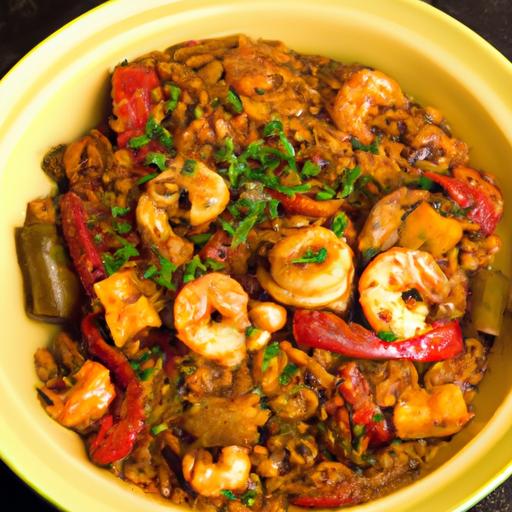

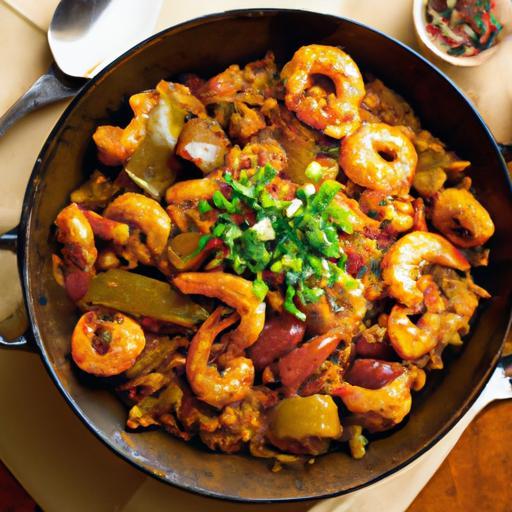
In the heart of Louisiana’s vibrant culinary tapestry lies a dish that’s as rich in history as it is indeed in flavour-Jambalaya. This beloved Cajun classic, a harmonious medley of rice, spices, and a colorful cast of meats and vegetables, tells a story of cultural fusion and bold Southern tradition. Join us on a savory journey through the origins, ingredients, and irresistible appeal of jambalaya, as we explore how this one-pot wonder continues to captivate taste buds and celebrate the soulful spirit of Cajun cooking. Whether you’re a seasoned foodie or a curious newcomer, prepare to dive into a dish that’s much more than a meal-it’s a flavorful celebration of heritage and community.
Jambalaya Journey begins by immersing you in the vibrant tapestry of Cajun cuisine, where bold flavors and hearty ingredients tell a story of cultural fusion and southern comfort. This beloved dish traces its roots to Louisiana’s bayous, a crossroads of french, Spanish, African, and Native American influences, resulting in a symphony of spices and textures that capture the heart of the region.
Origins and Cultural Roots: Unraveling the Rich History Behind the Cajun Classic
Jambalaya originated as a rustic one-pot meal cultivated by resourceful Cajuns who combined local staples with spices brought by European settlers. The word “jambalaya” likely derives from the Provençal word jambalaia, meaning a mishmash or mix-up, which perfectly embodies the dish’s essence-a flavorful, nourishing stew crafted from available ingredients. Traditionally,the dish reflects both Spanish paella and French pilaf,yet it evolved uniquely in Louisiana,spotlighting smoked sausage,seafood,and the Holy Trinity of cajun cooking: onions,bell peppers,and celery. This meld of flavors and traditions continues to make jambalaya an icon of southern hospitality and culinary artistry.
Prep and Cook Time
- Planning: 20 minutes
- Cooking: 50 minutes
- Total Time: 1 hour 10 minutes
Yield
Serves 6 hearty portions
Difficulty Level
Medium – great for cooks ready to dive into classic technique with room for personal flair.
Essential Ingredients That Bring Jambalaya to life: Exploring Authentic Flavors and Local Staples
- 2 tablespoons vegetable oil (for sautéing)
- 1 pound andouille sausage, sliced into ¼ inch rounds
- 1 pound boneless, skinless chicken thighs, cut into bite-sized pieces
- 1 large onion, finely chopped
- 1 green bell pepper, diced
- 2 celery stalks, diced
- 4 cloves garlic, minced
- 1 can (14.5 oz) diced tomatoes with juice
- 1 ½ cups long-grain white rice, rinsed until water runs clear
- 3 cups chicken stock (low sodium preferred)
- 2 teaspoons Cajun seasoning (adjust to taste)
- 1 teaspoon smoked paprika
- ½ teaspoon dried thyme
- 1 bay leaf
- Salt and freshly ground black pepper, to taste
- Optional: 1 pound raw shrimp, peeled and deveined (add during final cooking stage)
- Chopped green onions and fresh parsley for garnish
Step by Step Guide to Crafting the Perfect Pot: Techniques and Tips for a Delicious Homemade Jambalaya
- Heat the oil in a large, heavy-bottomed Dutch oven or deep skillet over medium-high heat.
- Add the sliced andouille sausage and cook until browned and crisp on the edges, about 5-7 minutes. Remove with a slotted spoon and set aside.
- in the same pot, add the chicken pieces and sauté until golden brown, about 6 minutes; season lightly with salt and pepper. Remove and set aside with the sausage.
- Add the onion,bell pepper,and celery (the Holy Trinity) to the pot. sauté until softened and fragrant,about 6-8 minutes,stirring occasionally.
- Stir in the garlic and cook for 1 minute until aromatic, taking care not to burn it.
- Pour in the diced tomatoes with their juice, scraping up any browned bits from the bottom for extra flavor.
- Add back the sausage and chicken; sprinkle the Cajun seasoning, smoked paprika, thyme, and bay leaf. Stir to combine.
- Stir in the rinsed rice until it is indeed well-coated with the tomato mixture and spices.
- Pour in the chicken stock, bring to a boil, then reduce heat to low to simmer.
- Cover the pot and cook for 20-25 minutes, or until the rice is tender and liquid is mostly absorbed. Avoid stirring too much to prevent mushy rice.
- If using, add the shrimp during the last 5 minutes of cooking, covering the pot again until they turn pink and opaque.
- Remove from heat and let the jambalaya rest, covered, for 5 minutes before stirring gently.
- Discard the bay leaf. Season with additional salt and pepper if needed.
- Garnish with freshly chopped green onions and parsley before serving.
Tips for Success
- Rice choice matters: Long-grain white rice offers a fluffy texture; avoid short-grain or instant rice to prevent clumping.
- Layer flavors: Browning the sausage and chicken first creates a rich fond, enhancing depth.
- low and slow simmer: This ensures rice cooks evenly and fully absorbs all the enticing aromas.
- Make-ahead amiable: jambalaya keeps well refrigerated for up to 3 days and often tastes better the next day as flavors meld.
- Vegetarian variation: replace meats with smoked paprika, mushrooms, and extra vegetables for a smoky, hearty meatless option.
Pairing Perfection: Complementary Sides and Beverage Recommendations to Elevate Yoru Meal
Serve this hearty pot of jambalaya alongside crisp fried green tomatoes or a zesty cucumber and tomato salad to balance smoky heat with refreshing crunch. For beverages, an ice-cold lager or wheat beer complements the spice, while a chilled glass of dry Riesling offers a sweet counterpoint to the cayenne kick.Classic Cajun-style cornbread muffins with honey butter are always warmly welcomed on the side, rounding out the meal with subtle sweetness and texture.
| nutritional Info (Per Serving) | Amount |
|---|---|
| Calories | 470 kcal |
| Protein | 32 g |
| Carbohydrates | 45 g |
| Fat | 15 g |

For more culinary adventures into Cajun flavors, check out our detailed guide on an Authentic Cajun Gumbo Recipe. To deepen your knowledge of the cultural crossroads behind this bold cuisine,visit Smithsonian Magazine’s article on Jambalaya’s history.
Q&A
Q&A: Jambalaya Journey – Exploring the Flavorful Cajun Classic
Q1: What exactly is jambalaya, and why is it considered a Cajun classic?
A1: Jambalaya is a vibrant, one-pot dish bursting with bold flavors, combining rice, meats, vegetables, and spices into a hearty comfort meal. Originating from Louisiana’s Cajun culture, it reflects a culinary melting pot influenced by French, Spanish, African, and Native american traditions. It’s considered a Cajun classic as it embodies the resourcefulness and rich heritage of the region’s people, making it a beloved staple in Southern kitchens.
Q2: How did jambalaya come to represent Cajun cuisine?
A2: Jambalaya’s roots trace back to the early settlers of Louisiana, who adapted paella recipes from Spain to local ingredients. Over time, Cajun farmers and fishermen infused the dish with their own techniques and flavors-like smoky sausage, fresh seafood, and the distinctive “holy trinity” of onions, bell peppers, and celery-creating a uniquely Cajun identity.It’s a culinary symbol of survival and celebration amid the bayous and backroads.
Q3: What are the key ingredients that give jambalaya its signature flavor?
A3: At the heart of jambalaya is the “holy trinity” of Cajun cooking: diced onions, celery, and green bell peppers. Alongside these,garlic,smoked andouille sausage,chicken,shrimp,and a spicy kick from cayenne or hot sauce bring depth and character. The rice absorbs all these flavors, while robust herbs like thyme and bay leaves add an aromatic layer, making each bite a complex, savory delight.
Q4: Are there diffrent types of jambalaya?
A4: Absolutely! The two main styles are creole jambalaya, which features tomatoes and is often called “red jambalaya,” and Cajun jambalaya, which skips the tomatoes for a more brown, smoky dish from cooking the meat first and letting the rice soak up the browned bits.Both styles celebrate local ingredients but differ in flavor profiles, allowing for endless delicious variations.
Q5: Can jambalaya be adapted for modern or dietary preferences?
A5: Yes! Jambalaya’s adaptability is part of its charm. Vegetarians can swap out meats for hearty mushrooms or plant-based sausages, and seafood lovers might feature crawfish or crab. For gluten-free diets, jambalaya naturally fits the bill since it’s rice-based. Even spice levels can be tailored-from mild, family-friendly versions to fiery feasts for heat seekers. The dish invites creativity while honoring tradition.
Q6: What’s the best way to enjoy jambalaya?
A6: Jambalaya shines best when shared-think lively gatherings around the table with friends and family. Pair it with classic cajun sides like corn maque choux or crisp fried okra. A cold beer or a zingy cocktail, like a Sazerac or Hurricane, complement the spice and richness beautifully. Most of all, savor it slowly, letting the layers of flavor and history unfold with each bite.
Q7: why should food lovers embark on a jambalaya journey?
A7: Exploring jambalaya is like tasting a story-one of culture, community, and resilience. It invites food lovers to dive into Louisiana’s soulful soul food scene, celebrating bold flavors and heartfelt tradition. Whether cooking at home or visiting a smoky neighborhood joint, experiencing jambalaya connects you to a vibrant culinary heritage that’s as warm and welcoming as the Bayou itself.
The Conclusion
As our jambalaya journey comes to a close, we find that this vibrant Cajun classic is much more than just a dish-it’s a flavorful tapestry woven from the rich cultural heritage of Louisiana. Each spoonful tells a story of bold spices, hearty ingredients, and a community’s love for good food shared around the table. Whether you’re a seasoned chef or a curious foodie, embracing jambalaya invites you to celebrate tradition, savor complexity, and experience a taste that’s as spirited and diverse as the bayous themselves. So next time you crave a meal that’s both comforting and adventurous, let jambalaya be your guide on a delicious journey through the heart of Cajun cuisine.