
Delicate yet versatile, rice noodles have long been a beloved staple in kitchens across Asia and beyond. Their whisper-thin strands carry centuries of culinary tradition, weaving stories of ancient trade routes, regional flavors, and cultural rituals. From the bustling street markets of Bangkok to the serene countryside of Vietnam, rice noodles take on countless forms-each with its own texture, taste, and technique. In this article, we embark on a flavorful journey to unveil the rich history behind rice noodles, explore the diverse varieties that grace global tables, and share essential cooking tips to help you master this timeless ingredient in your own kitchen.Whether you’re a seasoned foodie or a curious cook, prepare to discover the secrets hidden in every silky bite.
Rice noodles unveiled reveal a rich tapestry of culinary heritage stretching across Asia, where they’ve been cherished and adapted for centuries. From my first taste of silky, fresh rice noodles in a bustling market stall in Thailand to experimenting with vibrant, chewy varieties at home, these noodles have proven endlessly versatile and deeply satisfying. Rooted in tradition yet open to innovation, rice noodles offer a unique canvas for flavors and textures that captivate the senses and connect cultures through food.
Prep and Cook Time
- Preparation: 15 minutes
- Cooking: 10 minutes
- Total Time: 25 minutes
Yield
Serves 4 generous portions
Difficulty Level
Medium – requires attention to timing and technique for perfect texture
Ingredients
- 200g dried rice noodles (flat or vermicelli style, depending on preference)
- 2 tablespoons vegetable oil (neutral-flavored like canola or peanut)
- 3 cloves garlic, minced
- 1 medium onion, thinly sliced
- 200g chicken breast, thinly sliced (optional for protein)
- 1 cup bean sprouts, rinsed and drained
- 2 scallions, chopped diagonally
- 2 tablespoons soy sauce, light
- 1 tablespoon fish sauce (or tamari for vegetarian)
- 1 teaspoon palm sugar (or brown sugar)
- 1 lime, cut into wedges
- Fresh cilantro and crushed peanuts, for garnish
- Chili flakes or fresh sliced chilies, optional for heat
- Water for soaking noodles
instructions
- soak the Rice Noodles: Place the dried rice noodles in a large bowl and cover with warm water. Let them soak for 8-10 minutes until pliable but still slightly firm to the bite. Avoid over-soaking as the noodles will continue to cook in the pan.
- Prepare the Sauce: In a small bowl, mix together the soy sauce, fish sauce, and palm sugar. Stir until the sugar dissolves fully.
- Cook the Protein: Heat 1 tablespoon of vegetable oil in a large non-stick skillet or wok over medium-high heat. Add the sliced chicken and sauté for 4-5 minutes until cooked through and lightly golden. Remove from pan and set aside.
- Sauté Aromatics: Add the remaining oil and gently sauté garlic and onions until fragrant and translucent, about 2-3 minutes.
- Add Noodles and Sauce: Drain the soaked noodles and add them to the pan. Pour the prepared sauce over the noodles. Gently toss with tongs or chopsticks to evenly coat. Cook for 2-3 minutes, stirring frequently to prevent sticking, until noodles are tender and shiny.
- Combine Ingredients: Return the cooked chicken to the pan along with the bean sprouts and scallions. Toss lightly to mix and let them warm through, about 1 minute. Avoid overcooking the bean sprouts to maintain their crispness.
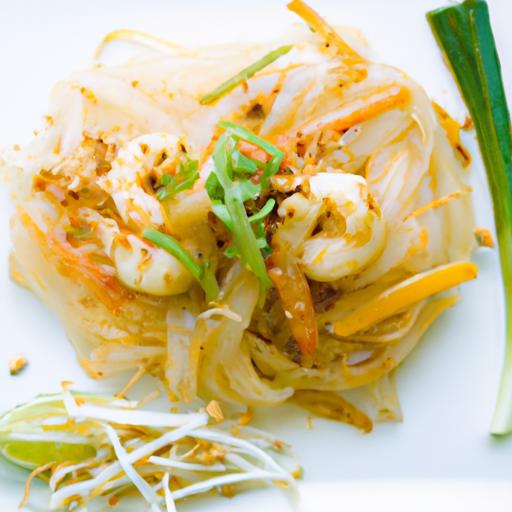
- Finish and Serve: Transfer the noodles to serving plates. Garnish with fresh cilantro, crushed peanuts, and lime wedges. Sprinkle chili flakes or fresh chilies on top if desired for a spicy kick.
Tips for Success
- Use freshly soaked noodles rather than boiling dried noodles for the best springy texture; over-boiling can cause mushiness.
- If using fresh rice noodles, reduce soaking time and handle gently to avoid tearing.
- Adjust the balance of salty, sweet, and sour by varying the amounts of fish sauce, sugar, and lime juice according to personal taste.
- For vegetarian or vegan versions,substitute chicken with tofu and use tamari rather of fish sauce.
- Prepare garnishes in advance for a quick assembly and enhanced presentation.
Serving Suggestions
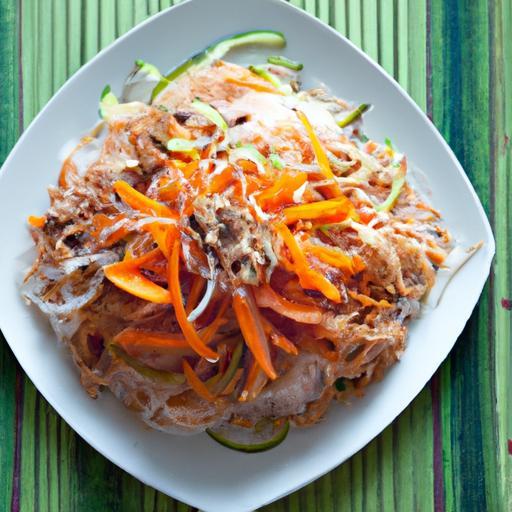
Rice noodles shine best when served immediately,steaming hot,with vibrant garnishes that add texture and brightness. Pair with fresh lime wedges to squeeze over the top, unlocking zesty freshness that contrasts beautifully with the rich umami notes. Crushed peanuts introduce a satisfying crunch, while fresh herbs like cilantro or thai basil elevate the dish into an aromatic feast. For an added dimension,serve alongside a crisp asian-style cucumber salad or a mild kimchi to balance flavors.

nutritional Facts
| Nutrient | Per Serving |
|---|---|
| Calories | 320 kcal |
| Protein | 22 g |
| Carbohydrates | 40 g |
| Fat | 7 g |
Explore more flavorful noodle-based recipes and cooking tips on our Asian Noodle Recipes page. For a deep dive into culinary history, visit Britannica’s guide on rice noodles.
Q&A
Q&A: Rice Noodles Unveiled – History, Varieties, and Cooking Tips
Q1: What exactly are rice noodles, and how do they differ from wheat-based noodles?
A1: Rice noodles are delicate strands made primarily from rice flour and water, sometimes with a touch of tapioca or cornstarch for extra chewiness. Unlike wheat noodles, which rely on gluten for elasticity, rice noodles have a lighter texture and a subtly sweet, neutral flavor that soaks up sauces beautifully. Their gluten-free nature makes them a popular choice for those with dietary restrictions or looking for a lighter option.Q2: Where did rice noodles originate, and how have they evolved over time?
A2: Rice noodles boast an ancient heritage stretching back over a thousand years in East and Southeast Asia. Legend credits the Southern Chinese provinces as the birthplace of rice noodle making, where locals transformed humble rice grains into versatile strands. Over centuries, rice noodles traveled across borders, adapting to regional tastes-from the wide, slippery bánh phở of Vietnam to the thin, vermicelli-like mi fen of China-each variety embodying its cultural story.
Q3: what are the main varieties of rice noodles found around the world?
A3: Dive into the mosaic of rice noodles and you’ll encounter:
- Phở noodles: Broad, flat, and silky, key to Vietnam’s iconic soup.
- Pad Thai noodles: Medium-width, chewy strands perfect for stir-frying Thai-style delights.
- Singapore vermicelli: Thin and wiry, often tossed in spicy curry dishes.
- Cheung fun: Cantonese steamed rice noodle rolls, typically stuffed with shrimp or beef.
- Bánh hỏi: Intricately woven, paper-thin rice vermicelli sheets common in Vietnamese celebrations.
Each variety carries unique textures, thicknesses, and culinary uses.
Q4: How shoudl I properly cook rice noodles to get the best texture?
A4: Cooking rice noodles is a dance of timing and temperature. Most dried rice noodles require soaking in lukewarm or hot water-not boiling-to soften gently without becoming mushy. Fresh noodles, on the othre hand, often just need a quick plunge in boiling water or broth. The key is to watch them closely, as overcooking turns them brittle or gummy. Drain promptly and toss with a light oil to prevent sticking if you won’t be using them immediately.
Q5: Can rice noodles be used in dishes beyond soups and stir-fries?
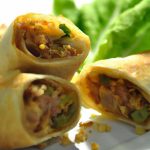
A5: Absolutely! Rice noodles are culinary chameleons. Beyond steaming and sautéing, they shine in cold salads dressed with tangy vinaigrettes, wrapped in fresh spring rolls, or baked in casseroles. their neutral flavor is an open canvas-pair them with spicy, sweet, savory, or sour ingredients, and watch your dish come alive with texture and vibrancy.
Q6: What are some tips for storing rice noodles and ensuring they stay fresh?
A6: For dried rice noodles, keep them in an airtight container in a cool, dry pantry; they can last up to a year. Fresh rice noodles are more delicate-store them refrigerated and use within a couple of days to maintain their silky softness. If you purchase pre-cooked noodles, place them in water in the refrigerator and change the water daily to preserve freshness.
Q7: Are there any common mistakes to avoid when cooking with rice noodles?
A7: A few culinary pitfalls to sidestep:
- Don’t boil dry rice noodles for too long-they can turn into mush quickly.
- Avoid soaking noodles in water that’s too cold or too hot; lukewarm is typically best.
- Don’t skip rinsing cooked noodles under cold water when preparing cold dishes to halt cooking and remove excess starch.
- Be gentle when tossing them with sauces; rice noodles can break apart if handled roughly.
Rice noodles offer a world of texture, history, and flavor wrapped in their slender strands. By understanding their origins, varieties, and cooking nuances, you can elevate your next meal to a delicious tribute to this timeless ingredient. So, grab your chopsticks and dive in-the rice noodle adventure awaits!
The Way Forward
From ancient paddies to modern plates, rice noodles have truly woven themselves into the tapestry of global cuisine. Their delicate textures and versatile forms tell stories of cultures, traditions, and shared meals across continents. Whether you’re slurping a bowl of silky pho, tossing a vibrant pad thai, or crafting your own noodle creation at home, understanding their history and varieties adds a richer flavor to every bite. So next time you unwrap that bundle of translucent strands, remember-you’re not just cooking rice noodles; you’re connecting with centuries of culinary artistry, one delicious forkful at a time.