
Beneath its humble exterior, goat cheese holds a world of creamy delights and surprising health benefits waiting to be uncovered. This beloved dairy treasure, with roots tracing back thousands of years, has captivated taste buds across cultures and continents. From tangy spreads to rich, crumbly textures, goat cheese offers a versatile palette for culinary exploration. But beyond its gourmet appeal lies a nutritional story worth savoring – one that champions digestion, boosts immunity, and brings a unique twist to healthy eating. Join us as we delve into the enchanting journey of goat cheese, unlocking its flavors and unveiling the health perks that make it a standout ingredient in kitchens and diets alike.
The Art of Crafting Creamy Goat Cheese varieties
Goat Cheese Uncovered: Creamy Delights and Health Perks begins with understanding the delicate craft behind producing ultra-creamy goat cheese varieties. Originating from pastoral regions were conventional cheesemakers blend age-old wisdom with fresh techniques, these luscious cheeses boast a tender, spreadable texture that melts beautifully on the palate. Picture silky ribbons of cheese swirling on crusty bread, or dollops dressing a vibrant salad – the magic lies in the milk’s delicate balance of acidity and fat that transforms into rich creaminess through precise curd handling and aging.
Prep and Cook Time
- Planning: 15 minutes
- Cooking/Aging: 12-24 hours (for fresh variety)
Yield
- Approx. 8 servings (spread portions)
Difficulty Level
- Intermediate – Perfect for adventurous home cooks eager to elevate fresh cheese making
Ingredients
- 1 gallon fresh whole goat milk (preferably raw or minimally pasteurized for creaminess)
- ¼ tsp mesophilic starter culture (powdered)
- ¼ tsp liquid rennet diluted in ¼ cup cool nonchlorinated water
- 1 tsp kosher salt (or to taste)
- Fresh herbs (optional): chives, thyme, or rosemary, finely chopped
- Cheesecloth for draining
Instructions
- Warm the milk gently in a large pot over low heat to 68°F (20°C). Stir occasionally to prevent scorching.
- Sprinkle the mesophilic starter evenly over the milk surface and let it dissolve for 2 minutes. Stir gently for 30 seconds to incorporate the culture evenly.
- Allow the milk to ferment at 68°F for 1 hour, covering with a clean towel to retain warmth.
- Add the diluted rennet and stir slowly for 30 seconds. Then stop stirring and let the milk set for about 1 hour, until a clean break is achieved (test by inserting a knife at an angle and lifting).
- Cut the curd into ½-inch cubes using a long knife. Rest for 5 minutes.
- Gently stir the curds with a slotted spoon for 10 minutes, maintaining the temperature between 68°F and 70°F to encourage whey separation without breaking curds excessively.
- Line a colander with cheesecloth and ladle the curds into it, allowing the whey to drain naturally for 6-12 hours in a cool place or refrigerator.
- Once drained, fold in kosher salt and fresh herbs if desired, mixing gently with a wooden spoon or by hand.
- Transfer the cheese into an airtight container and refrigerate. The fresh creamy goat cheese is ready to enjoy immediately or chilled for enhanced flavor.
Chef’s Notes: Tips for Success
- Maintain an even temperature throughout the incubation and setting phases to ensure creaminess and optimal curd growth.
- Use raw or high-quality pasteurized goat milk for richer texture and authentic flavor.
- If you prefer a softer texture, reduce drain time to about 6 hours; for firmer cheese, extend to 24 hours.
- Experiment with herbs or a drizzle of honey for delightful flavor variations.
- Keep your tools sanitized to avoid unwanted bacteria that may spoil your cheese.
- This fresh cheese keeps well for up to 7 days refrigerated; always cover tightly.
Serving Suggestions
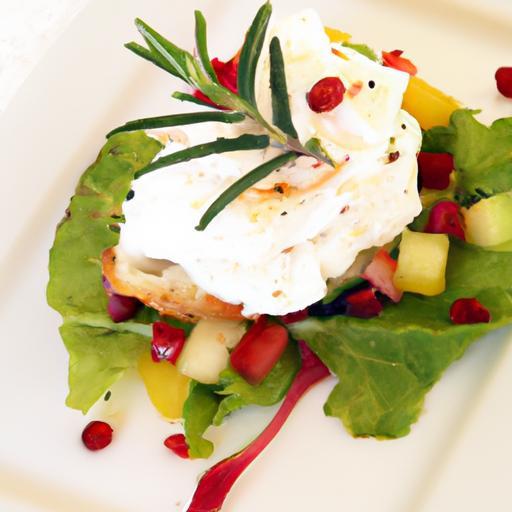
Enjoy your handcrafted creamy goat cheese spread generously atop toasted baguette slices with a drizzle of local honey and cracked black pepper for a refined appetizer. Alternatively, crumble onto roasted beet or arugula salads paired with candied pecans for an elevated lunch.
For a rustic dinner, dollop onto grilled vegetable stacks or swirl into warm mashed potatoes to add silky richness. Garnish with edible flowers or fresh herbs to amplify the visual appeal and freshness.
| Nutrient | Per 1 oz (28g) | % Daily Value |
|---|---|---|
| Calories | 75 | 4% |
| Protein | 5g | 10% |
| Carbohydrates | 0.5g | 0% |
| Fat | 6g | 9% |
| Calcium | 40mg | 4% |
Goat cheese’s favorable nutrient profile contributes to its rising popularity not only as an artisanal indulgence but also as a superfood. Healthline outlines its digestibility benefits,rich vitamin content,and potential anti-inflammatory effects. Dive into these creamy delights and discover the wholesome perks while treating your taste buds to an artisanal journey.
For more inspiration on integrating fresh goat cheese into seasonal dishes, check out our Fresh Goat Cheese Salad Recipes guide.
Q&A
Q&A: Goat Cheese Uncovered – Creamy Delights and Health Perks
Q1: what makes goat cheese so distinct from other cheeses?
A: Goat cheese stands out with its tangy, earthy flavor and its uniquely creamy yet crumbly texture. Unlike cow’s milk cheeses, goat milk contains different proteins and fats, giving goat cheese its signature slightly tart and refreshing taste that can range from mild and soft to sharp and aged.
Q2: How is goat cheese traditionally made?
A: Traditionally, goat cheese is crafted by gently curdling fresh goat milk with natural cultures and rennet, then carefully draining the whey. This process preserves the delicate flavors and creates that luscious, creamy texture. Artisans frequently enough age some varieties to develop bolder flavors, while fresh chèvre remains soft and spreadable.
Q3: Are there different types of goat cheese?
A: Absolutely! From fresh chèvre and soft-ripened rounds to crumbly aged varieties and smoky, herb-coated logs, goat cheese offers a diverse palette. Each style reflects factors like aging time, region, and added herbs or spices, making every bite a new adventure.
Q4: What health benefits does goat cheese offer?
A: goat cheese isn’t just delicious-it’s also packed with nutrition.It’s easier to digest than cow’s milk cheese because goat milk’s fat globules are smaller and its proteins form softer curds.It’s rich in calcium, potassium, and vitamin A, and often has fewer allergens, making it a great choice for people with mild lactose intolerance.
Q5: Can goat cheese be part of a balanced diet?
A: Definitely! Goat cheese can add a burst of flavor and nutritional value to meals without overwhelming calories. Its healthy fats and probiotics support digestive health, while the distinctive taste helps reduce the need for excessive salt or heavy dressings in recipes.
Q6: How can I incorporate goat cheese into my cooking?
A: goat cheese is remarkably versatile! Crumble it over salads for a creamy zing, blend it into smoothies or dips, spread it on crusty bread, or use it as a stuffing for vegetables and meats. Its tanginess beautifully complements fruits like figs and honey, creating a perfect balance of sweet and savory.
Q7: Is goat cheese environmentally kind?
A: Compared to larger-scale dairy farming, goat farming often requires less land and water, and goats tend to have a smaller carbon footprint. Supporting artisanal goat cheese producers can also promote enduring farming practices and biodiversity.
Q8: Where should I store goat cheese for optimal freshness?
A: Goat cheese loves cool, humid environments. Store fresh goat cheese in an airtight container in the refrigerator, ideally wrapped in parchment paper to maintain moisture without trapping excess humidity.For aged varieties,a slightly drier surroundings preserves flavor and texture longer.
Q9: Can people with dairy sensitivities enjoy goat cheese?
A: Many people sensitive to cow’s milk find goat cheese easier to digest due to differences in protein structure and lower lactose content. However, those with severe dairy allergies should consult thier doctor first since goat cheese is still a dairy product.
Q10: What’s the best way to savor goat cheese for the first time?
A: Start simple! Try fresh goat cheese spread on warm toasted baguette with a drizzle of honey or a sprinkle of fresh herbs. This allows you to appreciate its creamy texture and subtle tang without overwhelming additional flavors. Once familiar,dive into more adventurous pairings with wine,nuts,and fruits.
Whether you’re a cheese aficionado or a curious foodie, goat cheese invites you on a journey of creamy delights and wholesome benefits. Ready to uncover your new favorite?
Final Thoughts
As we unwrap the layers of goat cheese-from its silky texture to its surprising health benefits-it becomes clear that this creamy delight is much more than just a tangy addition to your plate. whether savored in a fresh chèvre or melted into a warm dish, goat cheese offers a unique blend of flavor and nutrition that invites both culinary exploration and mindful eating. So next time you encounter that little wheel of goodness at the market, remember: you’re not just indulging your taste buds-you’re embracing a nourishing tradition that has delighted palates and supported wellbeing for centuries. Creamy, versatile, and packed with perks, goat cheese truly is a treasure worth savoring.