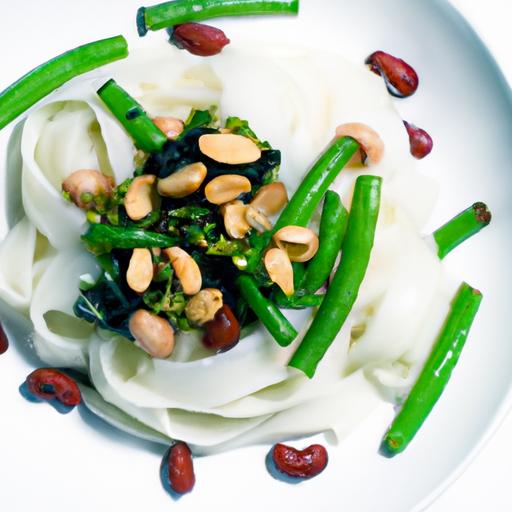

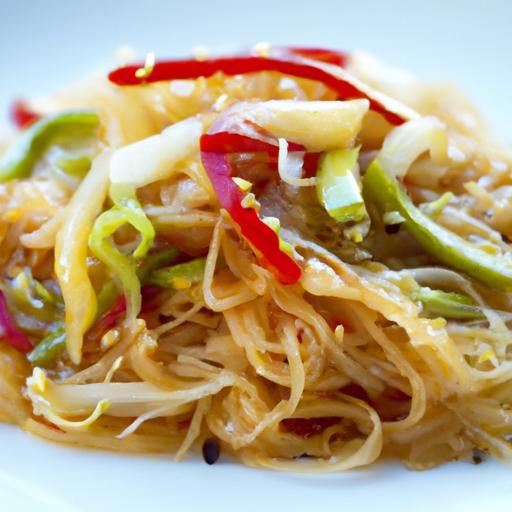
In the vibrant tapestry of Asian cuisine, rice noodles stand out as a culinary thread woven through centuries of tradition and taste. From the bustling street markets of Thailand to the serene noodle houses of Vietnam, these slender strands carry stories of culture, history, and flavor. Join us as we embark on a appetizing journey through Asia, unveiling the secrets and savoring the diversity of rice noodles-an ingredient as versatile as it is timeless. Weather stir-fried, souped, or chilled, rice noodles invite us to explore a world where every bite tells a flavorful tale.
Rice noodles unveiled reveal a captivating world deeply rooted in Asia’s culinary heritage, where delicate strands of translucent noodles bring centuries of tradition to life. As a hallmark ingredient in various iconic dishes, rice noodles carry the essence of the regions they originate from-from the bustling street stalls in Thailand serving fragrant Pad Thai, to the silky bowls of pho from Vietnam’s northern provinces. My own journey with rice noodles began during a vibrant market visit in Hanoi, where their chewy texture and subtle flavor transformed simple broths into soul-soothing experiences. Embracing the art of perfect rice noodle preparation transports both home cooks and seasoned chefs alike to a sensory adventure that celebrates regional diversity and culinary craftsmanship.
Prep and Cook Time
- Preparation: 15 minutes
- Cooking: 10 minutes
- total Time: 25 minutes
Yield
Serves 4
Difficulty Level
Medium
Ingredients
- 200g dried rice noodles (flat or round,depending on dish)
- 2 tablespoons vegetable oil (for stir-frying)
- 3 cloves garlic,minced
- 1 small onion,thinly sliced
- 150g protein of choice (shrimp,chicken,or tofu),sliced
- 2 cups fresh bean sprouts,rinsed
- 3 spring onions,chopped
- 2 tablespoons soy sauce
- 1 tablespoon fish sauce (optional for authenticity)
- 1 tablespoon tamarind paste (for tanginess)
- 1 teaspoon palm sugar (or brown sugar)
- 1 red chili,thinly sliced (optional)
- Fresh lime wedges (for serving)
- Fresh cilantro or Thai basil (for garnish)
Instructions
- Soak the dried rice noodles in warm water for 8-10 minutes until they are pliable but still slightly firm; drain well to avoid sogginess.
- Heat the vegetable oil in a large skillet or wok over medium-high heat. Add minced garlic and sauté until fragrant, about 30 seconds.
- Add sliced onions and protein to the pan; cook until the protein is cooked through and onions are translucent, about 5 minutes. Stir frequently to prevent sticking.
- Toss in the drained rice noodles and gently stir-fry, making sure not to break the noodles. Incorporate soy sauce,fish sauce,tamarind paste,and palm sugar to create a harmonious balance of salty,sour,and sweet flavors.
- Add bean sprouts and spring onions, stir-fry for another 1-2 minutes, preserving some crunch in the fresh vegetables.
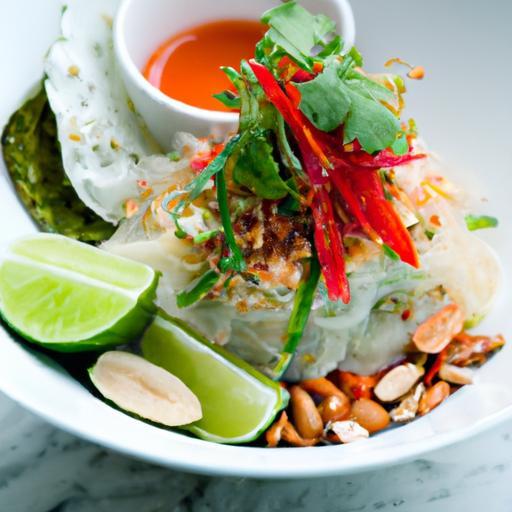
- Remove from heat and transfer to serving plates. Garnish generously with fresh cilantro or Thai basil, sliced red chili, and lime wedges on the side for a bright, zesty finish.
Tips for Success
- Use cold water soaking for delicate rice vermicelli noodles and warm water for wider flat noodles to avoid over-softening.
- Always rinse noodles with cold water after soaking to stop the cooking process and prevent clumping.
- For vegan versions, substitute fish sauce with mushroom soy sauce.
- If noodles stick while cooking, add a teaspoon of oil or a splash of water to loosen them gently.
- Prepare ingredients beforehand as stir-frying moves quickly; mise en place is essential!
- Make-ahead tip: Soaked noodles can be refrigerated for a day; toss with a bit of oil to keep them from sticking.
Serving Suggestions
Present the rice noodles in a wide shallow bowl to showcase their glossy texture and allow the aroma of fresh herbs to shine. Pair with a wedge of lime to enhance the tanginess. Accompanying side dishes such as pickled vegetables, chili flakes, and crushed peanuts add delightful textural contrasts. For a complete meal, serve alongside a light Asian-style salad or a calming jasmine tea to balance the bold flavors.
| Nutrient | Amount per Serving |
|---|---|
| Calories | 320 kcal |
| Protein | 18 g |
| Carbohydrates | 45 g |
| Fat | 7 g |
Q&A
Q&A: Rice Noodles Unveiled - A delicious Journey Through Asia
Q1: What exactly are rice noodles, and how do they differ from other types of noodles?
A: Rice noodles are thin strips or sheets made primarily from rice flour and water. unlike wheat-based noodles, rice noodles are naturally gluten-free and have a delicate, slightly chewy texture. Their subtle flavor acts as a perfect blank canvas, allowing them to absorb the diverse spices and sauces of Asian cuisine beautifully.
Q2: Which countries in Asia are best known for their iconic rice noodle dishes?
A: The magic of rice noodles unfolds across many Asian countries! Thailand dazzles with Pad Thai’s sweet-savory balance, Vietnam charms with the fragrant, herb-packed Pho and Bun Thang, China’s Guilin rice noodles dazzle with their savory broth, and Malaysia’s Char Kway Teow sizzles with wok-fried goodness. Each region has given rice noodles a unique cultural twist.
Q3: How have rice noodles influenced Asian culinary traditions?
A: Rice noodles have long been a versatile staple, bridging cultural and culinary boundaries. they adapt seamlessly-served hot or cold, stir-fried, in soups, or even as spring roll fillings. Their presence in festivals, street food stalls, and family tables underlines their role as more than just a dish-they’re a flavorful thread woven into the fabric of Asian heritage.
Q4: Can rice noodles be used in fusion or non-Asian dishes?
A: Absolutely! Rice noodles’ neutral flavor and varying textures make them a playground for culinary creativity.chefs worldwide incorporate them into salads,pastas,and even desserts. Think rice noodle salads with Mediterranean herbs or rice noodle stir-fries infused with Italian basil and tomatoes-the journey of rice noodles extends beyond Asia’s borders.
Q5: What tips should a beginner know when cooking with rice noodles?
A: Rice noodles need gentle care! Soak them in warm water until tender but not mushy,and avoid boiling too long to preserve that perfect chewy bite. They cook quickly and absorb sauces readily, so add them just before serving. Experiment with textures-try thick or thin varieties to see which suits your dish best!
Q6: Why do rice noodles hold a special place in Asian home cooking and street food?
A: Rice noodles epitomize comfort and convenience. They’re quick to prepare and pair well with fresh, local ingredients, making them ideal for bustling street vendors and busy home kitchens alike. Their versatility means they’re equally perfect for everyday meals or festive feasts, embodying warmth, community, and tradition in every bite.
Embarking on this delicious journey through Asia with rice noodles reveals not just flavors, but stories-of culture, innovation, and shared joy. Whether you’re twirling them in a bowl of pho or savoring them stir-fried street-side, rice noodles offer a vibrant taste of Asia’s rich culinary tapestry.
Concluding Remarks
As we wrap up our flavorful expedition through the vibrant world of rice noodles, it’s clear that these humble strands are much more than just a staple ingredient-they are a culinary thread weaving together the diverse cultures of Asia. From the bustling street markets of Thailand to the tranquil kitchens of Vietnam, rice noodles carry stories, traditions, and tastes that invite us to savor every bite with curiosity and appreciation.
Whether slippery and silky or thick and hearty, each variety offers a delicious journey that continues to inspire chefs and food lovers worldwide. So next time you twirl a forkful or dip a chopstick into a bowl of rice noodles, remember you’re tasting centuries of history, artistry, and the boundless spirit of Asia itself.