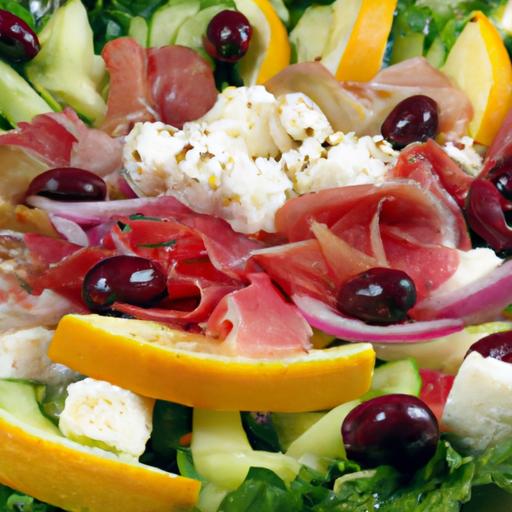

Step into the vibrant world of Italian cuisine with a dish that embodies the art of bold flavors and rustic charm: the antipasto salad. More than just a starter, this colorful medley of cured meats, tangy cheeses, crisp vegetables, and briny olives offers a tantalizing glimpse into Italy’s culinary heritage. Each bite tells a story of sun-soaked vineyards, bustling markets, and time-honored traditions passed down through generations. In this article, we unravel the layers of the antipasto salad-exploring its origins, key ingredients, and the secrets behind its irresistible appeal-inviting you to savor a true Italian classic that’s as rich in history as it is indeed in taste.
Antipasto salad is a vibrant expression of Italy’s love for bold flavors, fresh ingredients, and communal dining. Rooted in the Italian tradition of serving antipasto-an appetizer designed to awaken the palate-this salad blends savory cured meats, sharp cheeses, crisp vegetables, and tangy olives into a colorful mosaic of taste and texture. My first encounter with antipasto salad was during a sunlit afternoon in Emilia-Romagna, where every bite told a story of rustic countryside kitchens and joyful gatherings. Its irresistible medley invites you to explore Italy’s culinary soul in each forkful, making it an ideal centerpiece for any meal or festive occasion.
Prep and Cook Time
- Preparation: 20 minutes
- Cook Time: 0 minutes (no cooking required)
- Total Time: 20 minutes
Yield
- Serves 6 as a hearty appetizer or side dish
Difficulty Level
- Easy
key Ingredients That make Antipasto Salad Irresistible
- 1 cup sliced Genoa salami, thinly sliced for perfect layering
- 1 cup diced provolone cheese, a creamy and mildly sharp counterpoint
- 1 cup marinated artichoke hearts, quartered for tenderness and tang
- 1 cup cherry tomatoes, halved, bursting with juicy sweetness
- 1 cup roasted red bell peppers, sliced thinly to add smoky depth
- 1 cup mixed olives (preferably Kalamata and Castelvetrano), pitted
- ½ cup pepperoncini peppers, sliced for a subtle spice kick
- ½ cup thinly sliced red onions, soaked briefly in cold water for mildness
- 2 cups crisp romaine lettuce, chopped for freshness and crunch
- ⅓ cup extra virgin olive oil, to dress and bring all flavors together
- 2 tbsp red wine vinegar, adding zesty balance
- 1 tsp dried oregano, to evoke classic Italian seasoning
- Salt and freshly cracked black pepper, to taste
Step by Step Guide to Crafting the Perfect Antipasto Salad
- Prepare the ingredients: Rinse and dry the romaine lettuce, halve the cherry tomatoes, slice the salami and provolone, and thinly slice the red onions. Soak onions in cold water for 10 minutes to mellow their bite, then drain well.
- Combine the base: In a large salad bowl, gently toss the romaine lettuce, cherry tomatoes, roasted peppers, marinated artichokes, olives, pepperoncini, and drained red onions to create a vibrant vegetable foundation.
- Add the meats and cheeses: Layer the salami and provolone over the greens, folding gently to maintain the colors and textures without crushing the ingredients.
- Make the dressing: in a small bowl,whisk together extra virgin olive oil,red wine vinegar,dried oregano,salt,and a generous crack of black pepper until emulsified and flavorful.
- Toss and serve: Drizzle the dressing evenly over the salad and toss delicately to coat all ingredients without bruising. Allow the salad to sit for 5-10 minutes at room temperature for the flavors to meld.
- Final touch: Taste and adjust seasoning if needed.Garnish with a sprinkle of fresh chopped parsley or basil for a fresh herbal note.
Expert Tips for Customizing Your Antipasto Salad Experience
- Substitute meats: try prosciutto, capicola, or even thin slices of soppressata for different flavor profiles.
- Make it vegetarian: Omit the meats and add marinated mushrooms,artichoke hearts,and roasted zucchini for a lush veggie alternative.
- Cheese alternatives: Swap provolone with mozzarella pearls or a sharp pecorino for varied texture and taste.
- Prep ahead: Chop and marinate the vegetables up to 24 hours in advance; toss with fresh lettuce and dressing just before serving to prevent sogginess.
- Elevate the dressing: Incorporate a teaspoon of dijon mustard or a splash of balsamic glaze for complexity.
- Texture tip: Toast pine nuts or slivered almonds over low heat and sprinkle on top for added crunch.
Serving Suggestions
This antipasto salad shines when served as a centerpiece alongside rustic Italian breads like ciabatta or focaccia to soak up the mingling juices. Pair it with a chilled glass of dry white wine such as Pinot Grigio or Verdicchio for a refreshing accompaniment. For an inviting presentation, arrange the salad on large wooden platters or colorful ceramic bowls. Garnish with fresh basil leaves, a scattering of grated Parmesan, and a few whole olives to enhance visual appeal and invite diners to dive in.
| Nutrient | Amount per serving |
|---|---|
| Calories | 280 kcal |
| Protein | 15 g |
| Carbohydrates | 8 g |
| Fat | 22 g |
Related reading: discover more about Italian antipasto traditions and other authentic recipes in our Complete Guide to Italian Antipasti.
For an insightful history and cultural context, explore this detailed resource from encyclopedia Britannica on Italian Cuisine.
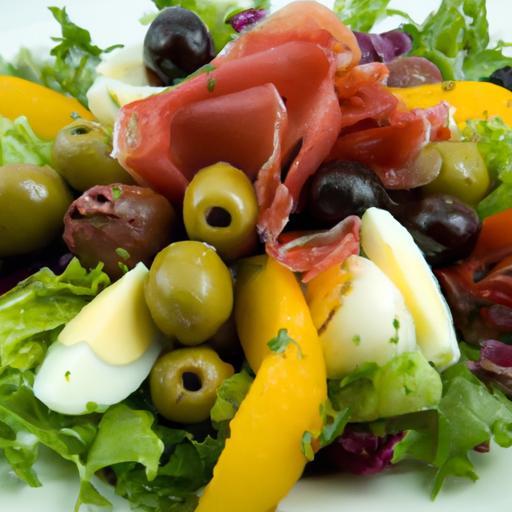
Q&A
Q&A: Antipasto Salad – A Flavorful Italian Classic Unveiled
Q1: What exactly is an antipasto salad?
A1: Antipasto salad is a vibrant Italian dish that brings together a medley of cured meats, cheeses, marinated vegetables, olives, and sometimes tangy dressings. It serves as a colorful and flavorful appetizer-or ”antipasto” in Italian-that awakens the palate before a hearty meal.
Q2: Where does the name “antipasto” come from?
A2: The term “antipasto” literally means “before the meal” in Italian.It’s traditionally the first course of an Italian feast, designed to stimulate appetite with a variety of bold, contrasting flavors and textures.
Q3: What ingredients commonly make up an antipasto salad?
A3: Classic antipasto salad ingredients include thinly sliced salami or prosciutto, cubes or slices of provolone or mozzarella, pepperoncini, roasted red peppers, artichoke hearts, marinated mushrooms, cherry tomatoes, olives, and sometimes crunchy vegetables like celery or fennel. The salad frequently enough gets drizzled with extra virgin olive oil and a splash of red wine vinegar, sometimes complemented by Italian herbs.
Q4: Is antipasto salad served cold or warm?
A4: Traditionally, antipasto salad is served cold or at room temperature. This allows the flavors of the marinated vegetables and cured meats to meld perfectly, creating a harmonious bite every time.
Q5: Can antipasto salad vary regionally across italy?
A5: Absolutely! Italy’s diverse regions each put their own spin on antipasto salad. In the south,sweeter roasted peppers and capers might be more prevalent,while northern varieties might lean heavily on cured ham and hearty cheeses. Local ingredients and family traditions frequently enough influence the recipe, making each antipasto salad a unique expression of Italian culture.
Q6: How can I make my own antipasto salad at home?
A6: Start by gathering quality cured meats, a selection of Italian cheeses, and fresh or marinated vegetables. Toss them together with olives and pepperoncini, then dress lightly with olive oil, red wine vinegar, salt, pepper, and a sprinkle of oregano or basil. For a creative touch, add toasted pine nuts or a handful of arugula for peppery freshness.
Q7: What makes antipasto salad a timeless Italian classic?
A7: Its perfect balance of textures and flavors-salty, tangy, crunchy, creamy-creates an irresistible combination that appeals to all senses. Antipasto salad is not just food; it’s a celebration of italian heritage,dining culture,and the joy of sharing good ingredients with family and friends.
Q8: Can antipasto salad be a main dish or is it just an appetizer?
A8: While traditionally served as an appetizer, antipasto salad can easily be scaled up into a satisfying main course by adding heartier elements like grilled vegetables, cooked beans, or crusty Italian bread on the side. It’s as versatile as it is delicious!
Q9: How should antipasto salad be paired with wines or other beverages?
A9: Light and crisp Italian whites-such as Pinot Grigio or Verdicchio-complement the radiant, briny notes of antipasto salad beautifully. For red wine lovers, a chilled Chianti or Sangiovese pairs well with the cured meats. Sparkling water or a classic Italian aperitivo can also enhance the dining experience.
Q10: what’s the best way to serve and enjoy antipasto salad?
A10: Serve antipasto salad on a large platter, inviting guests to dig in family-style. Accompany it with rustic bread, perhaps a drizzle of balsamic glaze, and plenty of good company. Whether it’s a casual gathering or a festive occasion, antipasto salad shines as a flavorful introduction to Italian dining.
In Retrospect
As we conclude our flavorful journey through the world of antipasto salad, it’s clear that this Italian classic is much more than a simple starter-it’s a vibrant tapestry of textures, colors, and tastes that tells a story of tradition and conviviality. Whether piled high with marinated vegetables, cured meats, and tangy cheeses or customized to suit your palate, antipasto salad remains a celebration of Italy’s rich culinary heritage. So next time you’re craving a dish that’s as inviting as it is delicious,remember: this flavorful mosaic on a plate offers the perfect introduction to la dolce vita. Buon appetito!