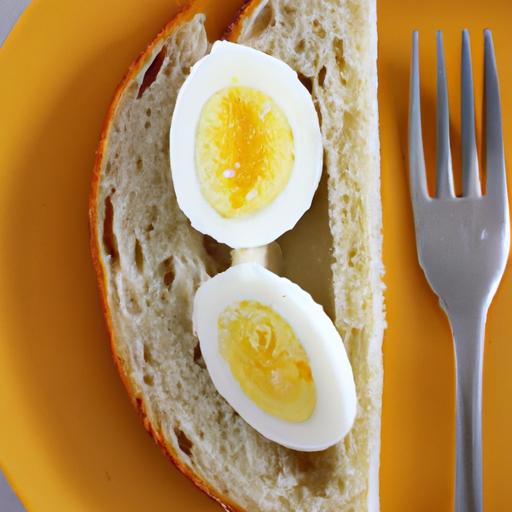

There’s a quiet magic in the kitchen when humble ingredients transform into something warm, comforting, and utterly satisfying. Take cabbage, egg, and salt-three everyday staples that might seem unlikely companions in the art of breadmaking. Yet, combined with a little know-how and a touch of patience, they unlock a simple homemade bread that’s as nourishing as it is delicious. In this article, we’ll explore how these straightforward ingredients come together to craft a loaf that celebrates simplicity without sacrificing flavor or texture. Whether you’re a seasoned baker or a curious beginner, get ready to discover a fresh twist on customary bread that’s both approachable and uniquely delightful.
Cabbage, Egg & Salt: crafting simple homemade bread is an art that blends humble yet powerful ingredients into a symphony of flavor and texture. The secret lies in choosing the freshest cabbage, skillfully integrating eggs for moisture, and balancing just the right amount of salt to elevate every bite without overwhelming your palate. This culinary journey will empower you with step-by-step techniques for making irresistibly soft, flavorful bread from scratch, inspiring both novice and seasoned bakers alike.

Prep and Cook Time
Preparation: 20 minutes | Cooking: 30 minutes | Total Time: 50 minutes
Yield
Makes 8 servings – perfect for sharing or savoring throughout the week.
Difficulty Level
Easy to Medium – approachable for beginners with rich tips for the more adventurous.
Ingredients
- 2 cups all-purpose flour, sifted
- 1 cup finely shredded fresh cabbage (choose crisp, firm cabbage with bright color for freshness)
- 1 large egg, beaten at room temperature
- 1 tsp fine sea salt (adjust as needed for balance)
- 1 tsp baking powder (for a gentle rise and tender crumb)
- 1/2 cup warm whole milk (110°F/43°C)
- 2 tbsp unsalted butter, melted
- Optional: 1 tbsp honey or sugar (to enhance browning and subtle sweetness)
Instructions
- Choose and prepare your cabbage: Rinse crisp cabbage leaves under cold water. Remove the core then finely shred to achieve delicate strands. Pat dry thoroughly using a clean kitchen towel or paper towels to avoid excess moisture that can weigh down your bread.
- Mix dry ingredients: In a large bowl, whisk the sifted all-purpose flour, baking powder, and sea salt together until well combined.
- Combine wet ingredients: In a separate bowl,beat the egg,then whisk in warm milk,melted butter,and optional honey until the mixture is smooth and homogenous.
- fold wet into dry: Pour wet ingredients into the dry mixture, gently folding until just combined. Avoid overmixing – a few lumps are fine and help maintain a tender crumb.
- Incorporate the shredded cabbage: Carefully fold the cabbage into your batter, ensuring every delicate shred is evenly distributed without beating down its vibrant texture.
- Prepare your baking tin: Grease a loaf pan or line it with parchment paper for an effortless release.
- Transfer and shape: Spoon the batter into the prepared loaf pan, gently smoothing the surface with a spatula.
- Bake: Place the pan in a preheated oven at 350°F (175°C). Bake for 25-30 minutes until the bread is golden-brown on top and a toothpick inserted in the center comes out clean.
- Cool and rest: Allow the bread to cool in the pan for 10 minutes, then transfer it to a wire rack to cool completely. This helps set the texture and enhances flavor development.
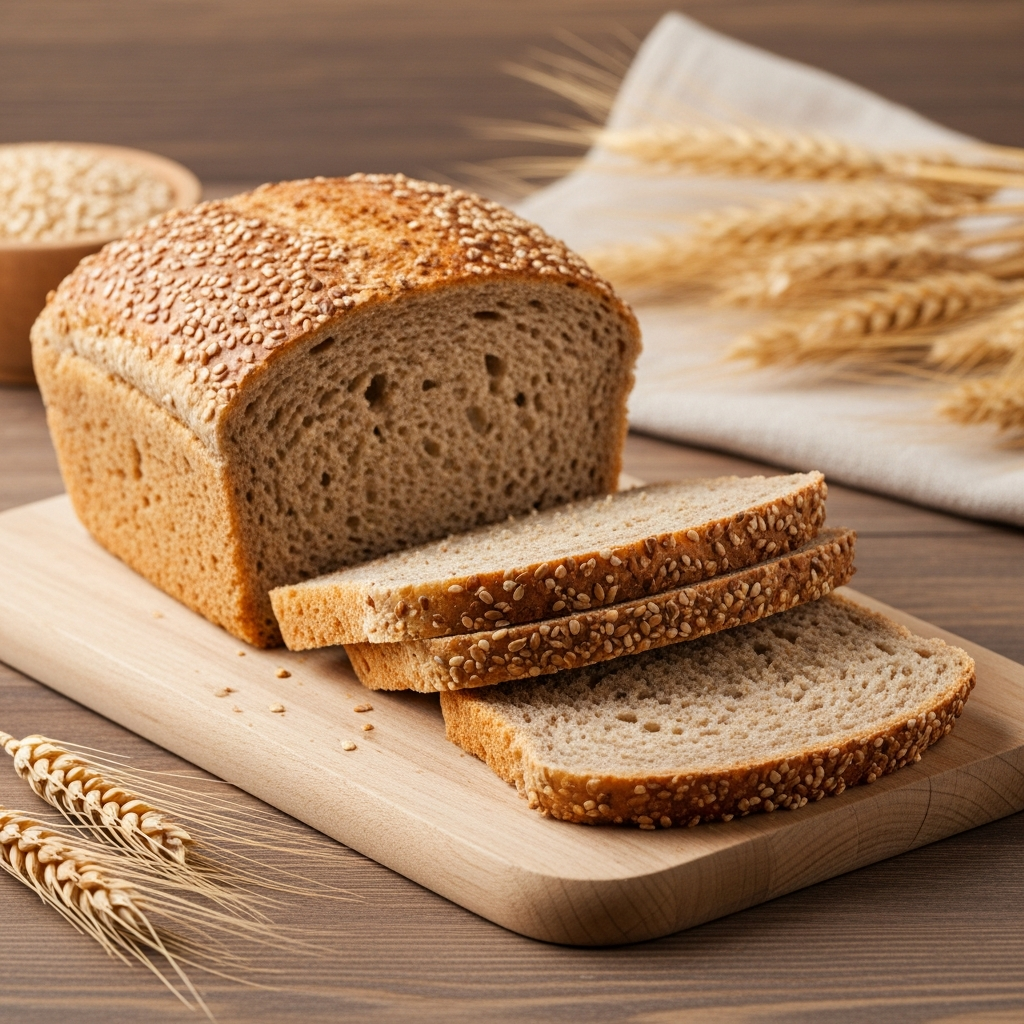
- Slice and serve: With a serrated knife, cut thick slices and relish the interplay of cabbage sweetness, tender crumb, and subtle saltiness.
Tips for Success
- Freshness of cabbage is vital – choose firm, unblemished heads with vibrant green or purple hues. Avoid wilted leaves which can diminish flavor and texture.
- Eggs at room temperature integrate better and strengthen the dough’s moisture, ensuring the crumb remains delicate yet structured.
- Salt balance: Begin with 1 teaspoon of sea salt; adding more later can overpower the natural flavors.
- For a richer taste,substitute whole wheat flour for half the flour,but expect a denser bread.
- Make-ahead: This bread freezes beautifully. Slice before freezing and toast slices directly for a fresh-from-the-oven feeling.
- Visual appeal: Garnish slices with thin cabbage ribbons or a sprinkle of flaky sea salt for a striking presentation.
Serving Suggestions
Serve slices warm slathered with creamy butter or a light herb-infused olive oil. For a heartier meal, pair with savory soups, roasted meats, or a farm-fresh salad. Crisp cabbage notes contrasted with a tender crumb make this bread ideal for open-faced sandwiches topped with soft cheeses and fresh herbs.
Nutritional Data
| Per Serving | Calories | Protein | Carbs | Fat |
|---|---|---|---|---|
| 1 slice (approx.) | 140 kcal | 5 g | 22 g | 4 g |
Mastering the Role of Egg in Texture and Moisture
Incorporating a well-beaten egg brings more than just richness; it acts as a natural emulsifier, binding ingredients and infusing moisture to create a tender crumb. The egg’s proteins support the dough structure gently-enabling softness without compromising stability. Room temperature eggs blend seamlessly, avoiding cold pockets that could hinder proper rising and texture formation.
Balancing Salt for optimal Taste Without Overpowering
A measured pinch of salt can elevate every flavor note, especially the subtle sweetness of cabbage and the egg’s natural creaminess. Use fine sea salt to disperse evenly. Avoid coarse grains which might create unpleasant salty bursts. Tasting the batter before baking can be a savvy step, adjusting the salt minutely for a harmonious result.
Step by Step Techniques for Crafting your Homemade Bread
The essential steps start with the freshest raw ingredients handled with care-dry cabbage and bacterial leavening agents must not be rushed. folding cabbage gently preserves texture and visual interest, while gradual mixing prevents overworked dough, essential for softness. By adhering to precise baking temperatures and letting the loaf cool, you’ll enjoy uniform crumb and flavor depth. These methods highlight how simple kitchen chemistry transforms basic elements into a satisfying culinary comfort.
for related inspiration, explore our Fresh Vegetable Breads collection, and for scientific baking basics, the renowned King Arthur Baking Guides provide excellent detailed insights.
Q&A
Q&A: cabbage, Egg & Salt – Crafting Simple Homemade Bread
Q: Wait, cabbage in bread? Is that really a thing?
A: Absolutely! Cabbage isn’t just for salads and stir-fries. When finely shredded and incorporated into bread dough,it adds moisture,subtle sweetness,and a gentle crunch. It’s an age-old rustic twist that brings depth and uniqueness to your homemade loaf.
Q: Why eggs and salt alongside cabbage?
A: Eggs enrich the dough, providing structure and a tender crumb, while salt is the unsung hero that enhances flavor and controls yeast activity. Together with cabbage, they create a balanced, wholesome bread that’s flavorful and moist without needing fancy ingredients.
Q: How do I prepare the cabbage for the bread?
A: The key is to finely shred the cabbage and lightly squeeze out excess moisture. Too wet, and the dough gets soggy; too dry, and it won’t incorporate well. Then, just mix it into your dough at the right stage-usually after the initial rise-to distribute those veggie surprises evenly.
Q: Does adding cabbage affect the bread’s rising?
A: It can! Cabbage introduces extra moisture and some natural sugars, which yeast loves, but its fibrous texture might slightly inhibit gluten development. That means a slower rise or a denser crumb – but that’s part of the charm, giving you a rustic, hearty loaf.
Q: Is this bread suitable for beginners?
A: Definitely! While the idea sounds unconventional, the recipe sticks to basics: flour, yeast, water, salt, eggs, and cabbage. It’s a fun way to experiment with veggie baking without fussing over intricate techniques. Plus, the aroma of freshly baked cabbage bread will make you feel like a kitchen wizard.
Q: What dishes pair well with cabbage, egg & salt bread?
A: This bread shines alongside hearty soups, pickled vegetables, or simply slathered with butter and a sprinkle of herbs. Its mellow, slightly savory flavor also makes it a great base for open-faced sandwiches or a unique toast for breakfast eggs.
Q: Can I substitute cabbage with other vegetables?
A: Sure! Think grated zucchini, grated carrot, or finely chopped spinach. Each brings its own moisture and flavor profile, though cabbage’s mildness and texture make it especially special. Be mindful to adjust moisture levels so your dough stays balanced.
Q: Any tips for getting that perfect crust?
A: For a golden,crispy crust,bake your loaf on a preheated stone or tray and mist the oven with water to create steam during the first 10 minutes. This helps develop a beautiful crust while keeping the inside soft and tender.
Q: What’s the magic behind such a simple ingredient list creating something unusual?
A: Sometimes, the best recipes are humble in their makeup but rich in technique and love. Cabbage, egg, and salt combine elemental flavors and textures-earthy, silky, and savory. they remind us that homemade bread isn’t just food; it’s a canvas for creativity and comfort.
Bake boldly and let your loaf tell the story of simple ingredients turning into something wonderfully unexpected. happy baking!
Insights and Conclusions
As the aroma of freshly baked bread fills your kitchen, it’s clear that the humble combination of cabbage, egg, and salt holds more magic than meets the eye. this simple trio transforms basic ingredients into a wholesome, satisfying loaf-a testament to the beauty of uncomplicated cooking. Whether you’re a seasoned baker or just beginning your bread-making journey, embracing these natural flavors reminds us that sometimes, the simplest recipes yield the richest rewards. So next time you crave homemade bread, trust in this timeless blend and savor each slice crafted with care and simplicity.