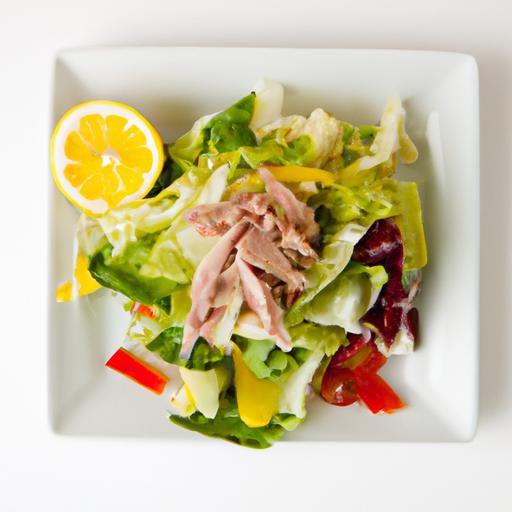

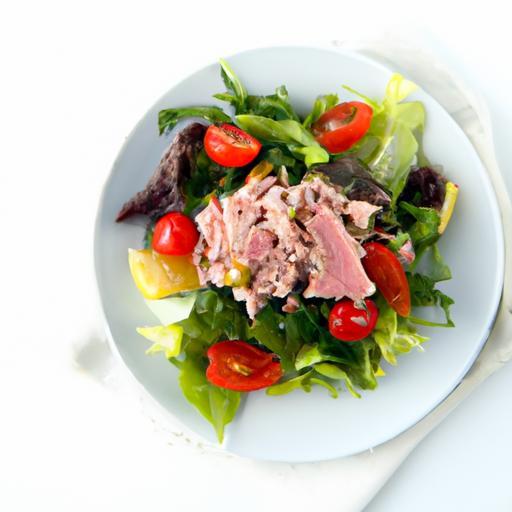
Dive into the vibrant world of tuna salad-a dish that effortlessly blends flavor, nutrition, and versatility into every bite. Weather perched atop crunchy greens, nestled in a sandwich, or savored by itself, tuna salad offers more than just a tasty meal; it brings a powerhouse of health benefits to the table. In this exploration, we’ll unpack the nutritional treasures hidden within this classic comfort food and reveal how it can be a deliciously smart choice for your wellness journey. Get ready to savor the perfect harmony of taste and health as we take a healthy dive into tuna salad nutrition.
Tuna salad nutrition is a delicious gateway to a balanced meal that combines lean protein and wholesome healthy fats, setting the stage for optimal wellness. Rooted in coastal kitchens worldwide, tuna salad transforms simple pantry staples into a vibrant dish that nourishes your body and excites your palate. Whether enjoyed as a swift lunch or a light dinner, this classic favorite showcases the natural bounty of the sea complemented by fresh, nutrient-packed additions that elevate it far beyond ordinary.
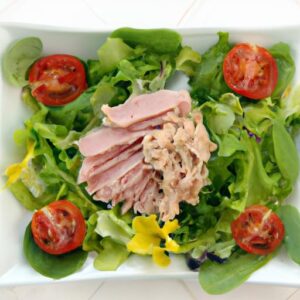
Prep and Cook Time
- Preparation: 10 minutes
- Cook Time: 0 minutes (using canned tuna)
- Total Time: 10 minutes
Yield
Serves 4 people generously
Difficulty Level
Easy - perfect for beginners and busy cooks alike
Ingredients
- 2 cans (5 oz each) of wild-caught tuna in water, drained
- 1/4 cup plain Greek yogurt (or mayonnaise for creamier texture)
- 1 tablespoon extra-virgin olive oil
- 1 celery stalk, finely chopped
- 1/4 cup red bell pepper, diced
- 2 tablespoons red onion, minced
- 1 tablespoon fresh lemon juice
- 1 teaspoon Dijon mustard
- 2 teaspoons capers, drained (optional)
- Salt and freshly ground black pepper, to taste
- 1 tablespoon chopped fresh dill or parsley
- Mixed baby greens or whole grain bread, for serving
Instructions
- Prepare your ingredients: Drain the tuna thoroughly, ensuring no excess liquid dilutes the salad’s creaminess.Finely chop celery, red bell pepper, and red onion-their crisp textures add an invigorating contrast.
- Combine the base: In a medium bowl, gently flake the tuna with a fork. Add the Greek yogurt, olive oil, lemon juice, and dijon mustard. Stir lightly to maintain texture; you want creamy with a hint of chunkiness.
- Add fresh crunch: Mix in chopped celery, red bell pepper, red onion, and capers if using. Their natural sweetness and briny notes brighten the dish, making every bite layered with flavor.
- Season mindfully: Sprinkle salt and freshly ground black pepper to taste. Incorporate chopped dill or parsley for a fresh herbal lift, stirring once more until combined.
- Chill and meld flavors: Refrigerate the salad for at least 20 minutes before serving to allow the flavors to harmonize beautifully.
Tips for Success
- opt for wild-caught tuna: It offers superior flavor and a better nutrient profile, rich in omega-3 fatty acids-key for heart and brain health.
- Greek yogurt swap: Reduces calories and adds probiotics, making your tuna salad both creamy and gut-friendly. Mayonnaise lovers can substitute half the yogurt with mayo for a richer flavor.
- Add texture variations: Toasted walnuts or sliced almonds introduce a satisfying crunch and an additional boost of healthy fats.
- Make ahead: Tuna salad tastes even better when made in advance, but keep it refrigerated and consume within 2 days to ensure freshness.
- For a low-carb twist: serve atop cucumber slices or stuffed into avocado halves instead of bread or crackers.
serving Suggestions
Present this vibrant tuna salad over a bed of mixed baby greens, garnished with a lemon wedge and a sprinkle of paprika for colour. Alternatively, layer it between slices of toasted whole grain bread with fresh tomato and lettuce for a hearty sandwich. For an elegant appetizer,scoop onto cucumber rounds or endive leaves and top with a sprig of dill. The versatile nature of this salad allows you to tailor your presentation to suit casual lunches or refined gatherings alike.
| Nutrient | Per Serving |
|---|---|
| Calories | 210 kcal |
| Protein | 28 g |
| carbohydrates | 4 g |
| Fat | 8 g |
Discover how simple adjustments transform this classic dish into a true superfood powerhouse packed with omega-3 fatty acids, vitamin D, and essential micronutrients. For more healthy recipe inspiration, check out our collection of seafood dishes. To delve deeper into the science behind tuna’s nutritional benefits, visit Healthline’s thorough guide.
Q&A
Q&A: tuna Salad Nutrition - A Healthy Dive Into Flavor and Benefits
Q1: What makes tuna salad a nutritious choice?
A: Tuna salad combines the protein-packed richness of tuna with fresh vegetables and healthy dressings, creating a balanced meal. tuna itself is a powerhouse of lean protein, omega-3 fatty acids, and essential vitamins, while the added veggies boost fiber, vitamins, and antioxidants, making each bite both flavorful and nourishing.
Q2: How does tuna contribute to heart health in a tuna salad?
A: Tuna is loaded with omega-3 fatty acids,which are known to support heart health by reducing inflammation,lowering blood pressure,and improving cholesterol levels. Incorporating tuna into your salad is like giving your heart a tasty little boost every time you eat.
Q3: Is tuna salad good for weight management?
A: Absolutely! Tuna is low in calories but high in protein, which helps you feel full and satisfied without overeating. When paired with fresh veggies and a light dressing (think olive oil and lemon rather than heavy mayo), tuna salad makes for a nutrient-dense meal that supports weight management goals.
Q4: What vitamins and minerals are abundant in tuna salad?
A: Tuna offers a rich source of vitamin D, B vitamins (especially B12), selenium, and iodine. The colorful vegetables often added-from crunchy celery to sweet bell peppers-add vitamin C, vitamin A, and fiber, creating a nutrient mosaic that supports immunity, energy, and digestion.
Q5: Can tuna salad be tailored for special diets?
A: Definitely! Tuna salad easily adapts to low-carb, keto, paleo, or gluten-free diets by tweaking the ingredients.For example, swapping carbs-heavy add-ins for leafy greens keeps it keto-friendly, while adding avocado or nuts amps up healthy fats for a paleo twist.
Q6: How can I keep my tuna salad healthy and avoid extra calories?
A: Choose fresh or canned tuna packed in water rather than oil, and go easy on heavy mayo or creamy dressings. Instead,opt for Greek yogurt,avocado,or a splash of olive oil with citrus juice to enhance flavor without loading on unnecessary fats or sugars.
Q7: What about sustainability – is tuna salad an eco-friendly choice?
A: It can be! Look for tuna labeled as ”pole-and-line caught” or “MSC certified,” which ensures more sustainable fishing practices. Choosing sustainably sourced tuna helps protect ocean ecosystems while you enjoy your salad guilt-free.
Q8: Any tips to boost the flavor without compromising nutrition?
A: Add fresh herbs like dill, parsley, or cilantro, a squeeze of lemon or lime, and a sprinkle of crunchy seeds or nuts. These simple touches add layers of flavor and texture, making your tuna salad not just healthy but delightfully crave-worthy.
Dive into tuna salad knowing you’re savoring a dish that’s as beneficial as it is radiant and delicious!
Wrapping Up
Diving into the world of tuna salad reveals more than just a delicious dish-it’s a treasure trove of nutrition that fuels your body and delights your palate.From heart-healthy omega-3s to protein-packed satisfaction, this salad proves that healthy eating doesn’t mean sacrificing flavor. So next time you scoop up a bite, remember: you’re savoring a vibrant blend of benefits that nourish both body and mind. Tuna salad isn’t just a meal-it’s a tasty testament to the power of smart, flavorful nutrition.