
Nestled in the vibrant tapestry of Thailand’s culinary heritage lies a dessert that perfectly encapsulates the country’s tropical charm and rich traditions: Mango Sticky Rice. This delightful treat, with its harmonious blend of velvety coconut-infused sticky rice and luscious, sun-ripened mango slices, is more than just a sweet ending to a meal-it is a cultural emblem bursting with stories of land, season, and festivity. Journey with us as we unveil the origins, ingredients, and subtle nuances that transform simple components into Thailand’s beloved sweet tropical treasure.
Mango sticky rice is an iconic Thai dessert that perfectly balances the creamy richness of coconut-infused sticky rice with the bright, luscious sweetness of ripe mangoes. This tropical treasure hails from Thailand’s bustling street markets and tranquil countryside alike, celebrated not only for its divine flavors but also for its deep-rooted cultural importance during harvest seasons and festive occasions.
Origins and Cultural Significance of Mango Sticky Rice in Thailand
The tradition of enjoying mango sticky rice spans generations in Thailand, where sticky rice (known locally as khao niao) is a staple food for many northern and northeastern communities. Traditionally, this dish was served to celebrate the ripe mango harvest between April and June, a symbol of abundance and gratitude.
Its simplicity and harmony of textures resonate with Thai culinary ideology-balancing sweet, salty, and creamy elements in one bite. Beyond a dessert, mango sticky rice symbolizes family, joy, and communal sharing at festivals. It’s often offered at temples and enjoyed during Songkran (Thai New Year), underlying its cultural importance.
The Art of Crafting Perfect Sticky Rice for an Authentic Experience
Achieving the signature chewy yet tender texture of sticky rice is an art form in itself. Key to authentic mango sticky rice is the use of glutinous rice, which differs greatly from regular rice varieties in texture and consistency. The rice must be soaked for several hours beforehand-ideally overnight-to ensure it cooks evenly. Steaming the rice, rather than boiling, preserves the grains’ integrity, resulting in moist, sticky clumps that marry beautifully with coconut milk.
An essential step is gently folding in sweetened coconut cream after cooking, allowing the rice to absorb the luscious, velvety sauce without becoming soggy. This technique creates the perfect balance of richness and chewiness, elevating the dessert beyond simple steamed rice.
Selecting the Ripest Mangoes to Elevate Your Dessert Journey
Choosing the right mango is pivotal to the success of this beloved dessert. The perfect mango should emit a fragrant aroma, yield gently to pressure, and boast vibrant golden-orange flesh. The Keitt and Nam Dok Mai varieties are crowd favorites in Thailand for their smooth texture and natural sweetness.
To heighten your culinary journey, opt for mangoes that are just ripe but not overripe-avoid fruit that is too soft or fibrous to maintain a clean, luscious bite that contrasts with the sticky rice’s texture.
Pairing Mango Sticky Rice with Customary Thai Flavors and Modern Twists
While the classic mango sticky rice recipe is timeless, exploring pairings can enhance the experience further. Traditional toppings include toasted mung beans or crispy black sesame seeds, adding subtle crunch and nutty aroma. A drizzle of thick coconut cream on top rounds out the dessert’s creamy profile.
For modern twists, incorporate a sprinkle of flaky sea salt, a fragrant pinch of Pandan essence in the coconut sauce, or even a scoop of coconut ice cream alongside for a chilled contrast. Pairing with Thai iced tea or a refreshing lime-mint cooler adds a bright counterpoint to the richness of the dessert.
Prep and Cook Time
- Readiness: 8 hours (including soaking time)
- Cooking: 45 minutes
- Total: 8 hours 45 minutes
Yield
Serves 4 generous portions
Difficulty Level
Medium – Requires thoughtful timing and gentle cooking techniques
Ingredients
- 1 cup glutinous sticky rice (soaked overnight)
- 1 1/4 cups thick coconut milk
- 1/2 cup palm sugar (or light brown sugar)
- 1/4 teaspoon salt
- 2 ripe mangoes, peeled and sliced
- 2 tablespoons toasted mung beans (optional, for garnish)
- 1 tablespoon toasted black sesame seeds (optional garnish)
Instructions
- Drain the soaked sticky rice thoroughly and place it in a bamboo steamer or a fine mesh sieve lined with cheesecloth. Steam over simmering water for 30-40 minutes, turning the rice midway to ensure even cooking. The grains should appear translucent and sticky but intact.
- While the rice steams, in a saucepan, combine coconut milk, palm sugar, and salt over low heat. Stir gently until the sugar fully dissolves and the mixture is warm but not boiling. Remove from heat.
- Transfer the hot sticky rice to a large mixing bowl. Pour three-quarters of the coconut milk mixture over the rice and gently fold to combine. Cover and let the rice absorb the liquid for 20-30 minutes. Reserve the remaining coconut sauce for serving.
- Prepare the mangoes by slicing them into long, thin pieces that can be easily picked up with a fork or chopsticks.
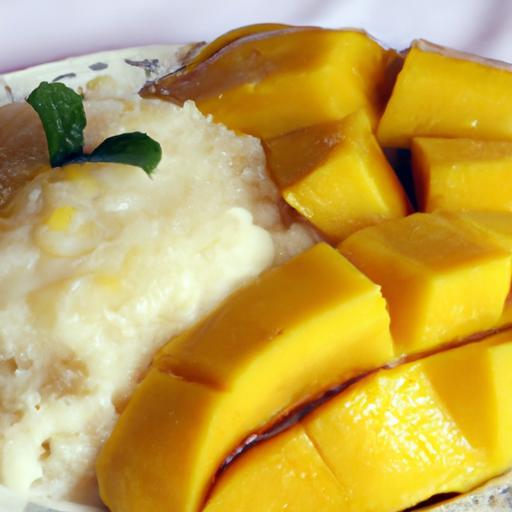
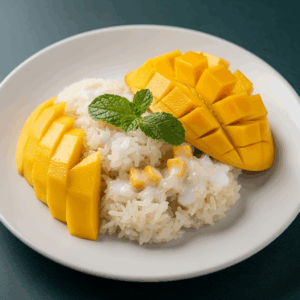
- To serve, spoon the sticky rice onto a dessert plate, arrange mango slices artfully beside or over the rice, and drizzle with reserved coconut sauce.
- sprinkle toasted mung beans and black sesame seeds on top for crunch and aroma, if desired.
Chef’s Notes & Tips for Success
- For a truly authentic texture, never substitute glutinous rice with regular long-grain rice.
- If you don’t have a steamer, use a heatproof colander or sieve over a pot with boiling water, covering tightly with foil.
- Adjust sugar levels based on the mango variety’s sweetness. Less sweet mangoes may benefit from a touch more palm sugar.
- Make ahead: The sticky rice can be steamed and infused with coconut milk earlier in the day. Store covered at room temperature, and slice mangoes just before serving.
- Consider adding a few drops of natural Pandan extract to the coconut sauce for a subtle floral aroma.
Serving Suggestions
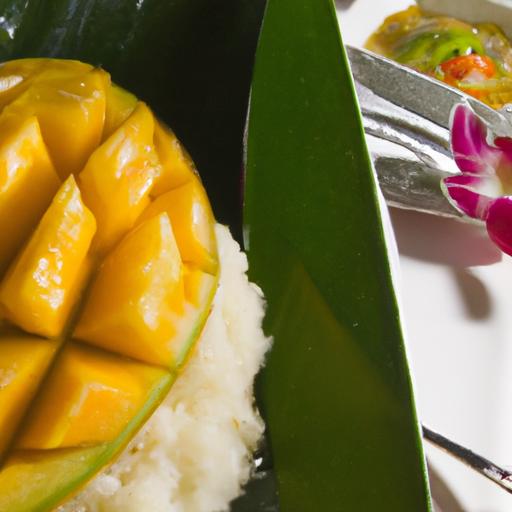
Present your mango sticky rice on a banana leaf or a vibrant ceramic plate to evoke Thai street-food charm. Garnish with fresh mint leaves or edible flowers for color contrast. Serve alongside a cup of Thai iced tea or jasmine tea to cleanse the palate between bites.
For casual enjoyment, wrap individual servings in banana leaves for an Instagram-worthy presentation reminiscent of Thai markets. Alternatively, adding a scoop of coconut sorbet pairs wonderfully on hot days.
| Nutritional Information (per serving) | Amount |
|---|---|
| Calories | 350 kcal |
| Protein | 4 g |
| Carbohydrates | 70 g |
| Fat | 6 g |
For those eager to explore more traditional Thai desserts, check out our collection of coconut-based delicacies. Expand your palate with in-depth food history and authentic recipes.
To understand more about the cultural heritage of Thai cuisine, the Tourism Authority of Thailand offers insightful articles and culinary guides.
Q&A
Q&A: Mango Sticky Rice – Thailand’s Sweet Tropical Treasure Unveiled
Q1: What exactly is Mango Sticky Rice?
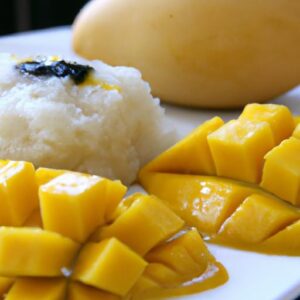
A1: Mango Sticky Rice, or Khao Niew Mamuang in Thai, is a beloved traditional dessert that pairs luscious, ripe mangoes with creamy, sweetened sticky rice. It’s a celebration of texture and flavor-sticky, soft glutinous rice soaked in fragrant coconut milk and crowned with golden mango slices. This humble dish captures the heart of Thai tropical sweetness.
Q2: Where did Mango Sticky Rice originate?
A2: Rooted deeply in Thailand’s culture, Mango Sticky Rice has been savored for generations. It is especially popular during mango season, which spans from April to June, making it a seasonal delight. While this dessert is found throughout Southeast Asia, Thailand takes special pride in its distinctively rich coconut-infused rice and perfectly ripe mango accompaniment.
Q3: What makes the sticky rice so special?
A3: The magic lies in the rice itself-glutinous or sticky rice, which has a unique chewy texture unlike any other rice variety. It’s gently steamed, then mixed with warm coconut milk and a touch of palm sugar, creating a creamy, mildly sweet bed that’s both comforting and exotic. The rice’s stickiness is essential; it clings lovingly to each mango slice, creating that iconic bite.
Q4: Why is coconut milk used instead of regular milk?
A4: Coconut milk is a staple in Thai cooking, prized for its rich, silky texture and natural sweetness that complements tropical fruits perfectly. Unlike dairy milk, coconut milk adds a subtle nuttiness and depth that elevates the sticky rice, infusing it with an irresistible aroma and flavor that’s both exotic and comforting.
Q5: Are there any variations of Mango Sticky Rice?
A5: Absolutely! While the classic recipe reigns supreme, some chefs add a sprinkle of toasted mung beans or sesame seeds for crunch, drizzle extra coconut cream on top, or even serve the dessert with a side of coconut ice cream. Vegan-kind and sometimes gluten-free, Mango Sticky Rice embraces creativity while honoring tradition.
Q6: How should Mango Sticky Rice be enjoyed?
A6: Best savored fresh and slightly warm, Mango Sticky Rice is a sensory journey. The sweetness of the mango, the creaminess of the coconut rice, and the subtle saltiness from a pinch of salt-this blend awakens taste buds and transports you to the bustling markets and serene beaches of Thailand. It’s a perfect ending to any meal or a delightful tropical snack on its own.
Q7: Can I make Mango Sticky Rice at home?
A7: Yes, with the right ingredients and a bit of patience, you can recreate this tropical treasure in your own kitchen! Key tips include soaking the sticky rice overnight, using ripe but firm mangoes, and cooking the rice gently to achieve that signature texture. it’s a satisfying treat that rewards your efforts with the taste of Thailand’s summer sun.
Q8: What cultural significance does Mango Sticky Rice hold?
A8: Beyond being a flavorful dessert, Mango Sticky Rice represents Thailand’s agricultural bounty and culinary artistry. It’s a symbol of hospitality, celebration, and the harmonious blending of simple ingredients into something extraordinary. Sharing this dessert is a sweet way of sharing a piece of Thai heritage and warmth.
Deliciously simple yet profoundly rooted in tradition, Mango Sticky Rice is more than just a dessert-it’s Thailand’s sweet tropical treasure, inviting you to savor every bite of paradise.
To Wrap It Up
As the final grains of sticky rice dissolve alongside the luscious sweetness of ripe mango, we are reminded that Mango Sticky Rice is more than just a dessert-it’s a celebration of Thailand’s rich culture, tropical bounty, and culinary artistry. This humble dish, with its perfect balance of texture and flavor, invites us to savor not only its deliciousness but also the stories and traditions woven into every bite. Whether enjoyed on a bustling Bangkok street corner or recreated in a home kitchen far away, Mango Sticky Rice remains a timeless tropical treasure that continues to enchant and connect us to the vibrant heart of Thailand.