

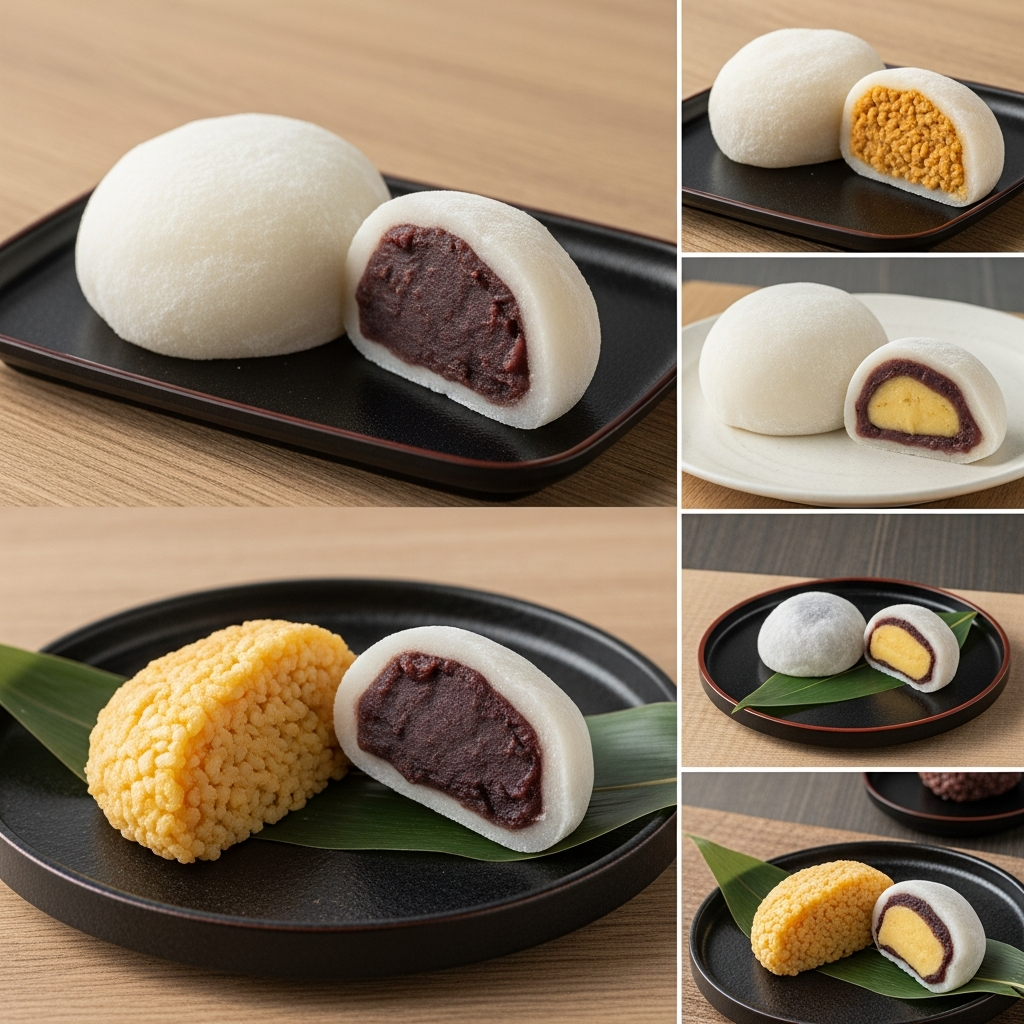
Soft, chewy, and delightfully versatile-Mochi is more than just a sweet treat; it’s a beloved symbol of Japanese culture and tradition. From bustling city streets to serene rural festivals, this humble rice cake captivates the hearts and taste buds of people across generations. In this unique recipe, we embark on a savory journey through mochi’s rich history, its intricate crafting process, and the myriad flavors that have made it a timeless favorite.
Whether enjoyed as a simple snack or a centerpiece dessert, mochi’s enchanting texture and subtle sweetness offer a delicious glimpse into Japan’s culinary artistry. Join us as we unravel the magic behind this iconic confection and explore why mochi continues to enchant sweet lovers worldwide.
It begins with the enchanting allure of Japan’s beloved sweet treat, a soft, chewy rice cake that carries centuries of tradition, celebration, and culinary artistry. From the ancient pounding rituals to the vibrant varieties bursting with diverse flavors and fillings, mochi is more than a dessert-it’s a cultural symbol that connects generations and delights palates around the world.
Prep and Cook Time
- Preparation: 15 minutes
- Cooking: 10 minutes
- Total Time: 25 minutes
Yield
Makes approximately 12 small mochi pieces.
Difficulty Level
medium - requires some hands-on technique but completely rewarding.
Ingredients
- 1 cup mochiko (sweet rice flour)
- 3/4 cup water
- 1/4 cup sugar
- Cornstarch or potato starch (for dusting)
- 1/2 cup sweet red bean paste (anko) or your favorite filling
Instructions
- Mix the mochiko, sugar, and water in a microwave-safe bowl until smooth and no lumps remain, ensuring the batter is evenly combined.
- Cover the bowl loosely with plastic wrap and microwave on high for 1 minute. Remove and stir vigorously with a wet spatula to prevent sticking.
- Return to the microwave for an additional 1 minute. Stir again, then microwave for a final 30-60 seconds until the dough becomes translucent and slightly sticky.
- Dust a clean surface with a generous amount of cornstarch. Transfer the hot mochi dough carefully (use wet hands to avoid sticking),then sprinkle more starch over the top.
- Roll out the mochi dough to around 1/4 inch thick. Use a round cutter (about 3 inches diameter) to cut out circles.
- Place a small spoonful of red bean paste (anko) or filling in the center of each mochi circle.
- Pinch the edges together gently to seal the filling inside and form a smooth, round ball.
- Lightly dust with more starch to avoid sticking and arrange mochi on a tray to cool completely.
Tips for Success
- Use water-dampened hands throughout the shaping process to keep the mochi from sticking to your fingers.
- Experiment with fillings like matcha cream, fresh fruits, or even ice cream for a modern twist.
- If the mochi feels too sticky, dust more starch but avoid over-powdering to keep the right texture.
- For a gluten-free treat, mochiko is naturally safe, ensuring this dessert is inclusive.
- Make ahead: Cover mochi tightly and refrigerate for up to 2 days; gently warm before serving to restore softness.
Serving Suggestions
This recipe’s charm is in its simplicity and variety-serve chilled or at room temperature with a side of matcha green tea to complement its mild sweetness. Garnish with toasted sesame seeds for extra aroma or wrap pieces individually in decorative wax paper for elegant presentation. Pair with seasonal fresh fruit or drizzle with a light soy-flavored syrup to enhance subtle contrasts.

Explore Nutritional Overview
| Nutrient | Amount per Serving |
|---|---|
| Calories | 90 kcal |
| Protein | 1.5 g |
| Carbohydrates | 22 g |
| Fat | 0.2 g |
Discover More About this recipe
For those eager to dive deeper into Japanese confectionery, check out our comprehensive guide to traditional sweets. To learn more about the cultural history of mochi and its importance across Japan’s seasons, visit the authoritative Japan national Tourism Organization.
Q&A
Q&A: Discovering Japan’s Beloved Sweet Treat
Q1: What exactly is Mochi?
A1: Imagine a pillow of chewy delight, soft yet springy, with a subtle sweetness that melts in your mouth-that’s mochi. It’s a traditional Japanese sweet made from glutinous rice that’s been pounded into a sticky, smooth dough. This humble treat has been enjoyed for centuries, often symbolizing good fortune and celebration.
Q2: How is Mochi traditionally made?
A2: The age-old process is almost like a rhythmic dance: steamed glutinous rice is vigorously pounded with wooden mallets in a mortar until it transforms into a stretchy, elastic mass. This labor-intensive step, called mochitsuki, requires teamwork and timing-a cultural ritual that turns rice into magic.
Q3: Are there different types of mochi?
A3: Absolutely! Mochi’s versatility is one of its charms. There’s plain mochi, stuffed mochi filled with sweet adzuki bean paste (daifuku), mochi grilled until crispy on the outside, mochi served in savory soups, and even mochi ice cream where creamy flavors hide inside a tender rice dough shell. Each variety offers a new adventure for the palate.
Q4: Why is mochi so beloved in Japan?
A4: It holds a special place in Japanese hearts because it’s not just a snack-it’s a cultural symbol. Eaten during New Year celebrations to bring good luck, offered at shrines, and shared at family gatherings, mochi embodies a sense of community, tradition, and seasonal joy.
Q5: Can you eat mochi year-round?
A5: Yes! While it’s especially popular during festivals and holidays, mochi’s delightful texture and mild flavor make it a year-round favorite. From street food stalls to high-end patisseries, mochi continues to captivate crowds with its timeless appeal.
Q6: is it healthy?
A6: It is relatively simple with just rice and sometimes fillings, offering a small serving of energy without added preservatives. However, because it’s sticky and dense, it’s best enjoyed in moderation-plus, it’s so tasty you might want seconds anyway!
Q7: How can someone outside Japan experience this magic?
A7: Its wave has reached worldwide shores! Visit local Japanese markets, try mochi ice cream at dessert shops, or even make your own at home with glutinous rice flour recipes. Sharing it with friends is like sharing a tiny piece of Japan’s rich culture-an edible thread connecting people across borders.
Q8: What’s the secret to the perfect mochi?
A8: Balance and texture are key-mochi should be tender yet chewy, subtly sweet but not overpowering, and fresh because its magic fades with time. Its true enchantment lies in its simplicity, inviting you to savor every delightful bite.
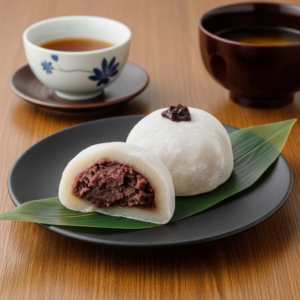
Dive into mochi magic and let this enchanting treat transport you to the heart of Japan, one chewy morsel at a time!
The Way Forward
As we unwrap the delicate layers of mochi’s history and savor its enchanting textures, it becomes clear why this humble sweet has captured the hearts of Japan-and the world-across centuries. More than just a dessert, this recipe is a cultural symbol, a canvas for creativity, and a gateway to Japan’s rich culinary heritage. Whether enjoyed in traditional tea ceremonies or reinvented in modern fusion dishes, mochi’s magic continues to invite us into a world where flavor and tradition dance in perfect harmony. Next time you bite into this tender treat, remember you’re tasting a story centuries in the making-a delicious reminder that sometimes, the simplest pleasures hold the deepest charm.