
Beneath the vast tapestry of Earth’s landscapes lie countless miracles tucked within nature’s most unassuming vessels: seeds. These tiny powerhouses, no larger than a pinhead, harbor the extraordinary potential to birth towering trees, vibrant flowers, and abundant fields of food that sustain life itself. “Seeds of Life: Unlocking Nature’s Tiny powerhouses” embarks on a interesting journey into the hidden world of seeds-exploring their intricate biology, amazing survival strategies, and indispensable role in ecosystems. Join us as we peel back the layers of these miniature marvels and discover how the future of our planet frequently enough begins in the humble embrace of a single seed.
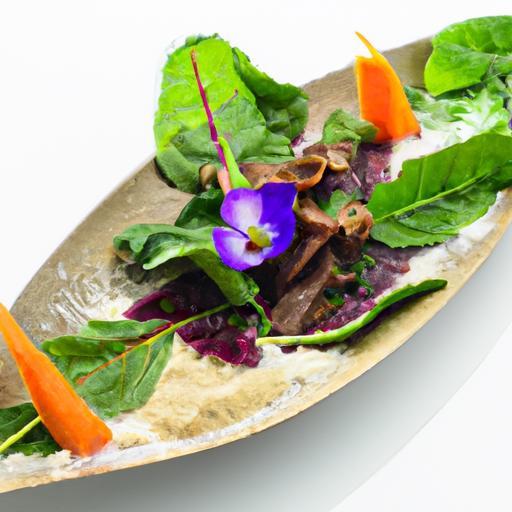
Seeds of Life offer a fascinating gateway into nature’s pantry, embodying concentrated nutrition packed into tiny edible gems. Harnessing seed nutrition for optimal health and wellness is not only a culinary adventure but a tribute to ancient traditions and cutting-edge science. Inspired by a lifelong passion for food that heals and fuels, this recipe celebrates the astonishing biology behind these nutrient powerhouses through a vibrant, wholesome Sprouted Seed Salad bowl that awakens the palate and revitalizes the body.

Prep and Cook Time
Readiness: 20 minutes (excluding sprouting time)
Cook Time: 10 minutes
Total Time: 30 minutes + sprouting
Yield
Serves 4 as a nourishing main or 6 as a light side
difficulty Level
Easy to Medium – perfect for culinary explorers eager to deepen their relationship with seed nutrition
Ingredients
- ½ cup mixed seeds (a blend of organic mung beans, alfalfa, and lentils), sprouted
- 1 cup quinoa, rinsed and cooked
- 1 medium cucumber, diced
- 1 ripe avocado, cubed
- 1 large carrot, julienned
- ½ cup cherry tomatoes, halved
- ¼ cup fresh parsley, finely chopped
- 2 tbsp extra virgin olive oil
- 1 tbsp freshly squeezed lemon juice
- 1 tsp raw honey or maple syrup (optional)
- Salt and freshly ground black pepper, to taste
- 1 tbsp toasted pumpkin seeds (for garnish)
- 1 tbsp toasted sesame seeds (for garnish)
instructions
- Sprout the seeds: Soak your mixed seeds in filtered water overnight (8-12 hours). Drain and rinse twice a day until tiny shoots appear (usually 2-3 days). Keep in a cool, well-ventilated place away from direct sunlight.
- Cook the quinoa: In a medium pot, combine rinsed quinoa with 2 cups of water. bring to a boil, then simmer covered for 15 minutes or until fluffy. Let cool to room temperature.
- Prepare the vegetables: Dice cucumber, cube avocado (squeeze a little lemon juice to prevent browning),julienne carrot, and halve cherry tomatoes. Chop parsley finely for freshness.
- Make the dressing: In a small bowl, whisk together olive oil, lemon juice, raw honey, salt, and pepper until emulsified and vibrant.
- Assemble the salad: In a large mixing bowl, combine the sprouted seeds, cooked quinoa, and all the prepared vegetables. Drizzle the dressing over the salad and toss gently but thoroughly to coat every bite.
- Garnish and serve: Sprinkle toasted pumpkin and sesame seeds on top for a contrasting crunch and nutty aroma. Serve promptly or chilled for later enjoyment.
Tips for Success
- Seed sprouting: Use high-quality organic seeds specifically labeled for sprouting to avoid contamination. Freshness is key to vibrant growth.
- Variations: Swap quinoa for couscous or bulgur for different textures. Add fresh herbs like mint or basil to elevate flavors.
- Make-ahead: Sprout seeds and cook quinoa up to 2 days in advance. Store separately, then toss with fresh veggies and dressing before serving for optimal texture.
- Nutrition boost: Incorporate a handful of toasted nuts such as walnuts or almonds for extra protein and crunch.
- Storage: Prepare without avocado if storing overnight; add avocado just before serving to prevent sogginess and browning.
Serving Suggestions
This seed-powered salad shines as a vibrant lunch packed with color and texture. serve inside crisp lettuce leaves for an inviting wrap experiance or alongside grilled chicken or fish for a balanced, nutrient-dense meal. Garnish with edible flowers or microgreens for a beautiful finishing touch. A light drizzle of tangy tahini or a dollop of creamy Greek yogurt elevates creaminess and richness.

| Nutrient | per serving |
|---|---|
| Calories | 320 |
| Protein | 12g |
| Carbohydrates | 35g |
| Fat | 12g |
| Fiber | 8g |
For those interested in expanding their knowledge about seed nutrition and sprouting, this comprehensive guide on sprouting seeds offers exceptional insights. Additionally, the National Geographic article provides an authoritative look into the biology and sustainability of seeds worldwide.
Q&A
Q&A: Seeds of Life – Unlocking Nature’s Tiny Powerhouses
Q1: What exactly makes seeds the “tiny powerhouses” of nature?
A1: At first glance, seeds may seem small and simple, but they are bustling hubs of potential energy and life. Inside each seed lies a meticulously packed blueprint – the embryo – along with stored nutrients that fuel its first steps toward becoming a thriving plant. Their ability to remain dormant yet viable for months, sometimes centuries, showcases nature’s remarkable engineering, making seeds true powerhouses of regeneration and resilience.
Q2: How do seeds manage to stay alive during long periods of dormancy?
A2: Seeds are master survivalists. They enter a state called dormancy, a suspended animation where metabolic activities slow to a bare minimum. Protective seed coats guard against moisture loss, pests, and environmental hazards. Some seeds even produce natural antifreeze proteins or antioxidants, helping them endure extreme temperatures and oxidative stress until conditions are just right for germination.
Q3: Why is seed diversity so crucial for ecosystems and agriculture?
A3: Seed diversity is nature’s insurance policy. A wide variety of seeds supports resilient ecosystems by offering plants multiple ways to adapt to changing environments, diseases, and pests. for agriculture, it means food security and the potential to breed crops that can withstand droughts, floods, or new pests - all vital as our climate shifts. Preserving seed diversity keeps evolutionary options open and future harvests abundant.
Q4: Can seeds teach us anything beyond biology?
A4: Absolutely! Seeds embody profound lessons about patience, potential, and transformation. They remind us that greatness often begins small and unseen, requiring nurturing and the right conditions to flourish. Seeds also inspire innovation, from biodegradable packaging to new medicines derived from ancient plants. In essence, they’re tiny storytellers of nature’s genius and resilience.
Q5: How are scientists unlocking the secrets within seeds today?
A5: Modern science is diving deep into seeds’ mysteries using genetic sequencing, advanced imaging, and biochemistry. Researchers study how seeds control growth, store energy, and respond to stress at the molecular level. This knowledge helps improve crop yields, develop drought-resistant varieties, and preserve endangered species. in labs worldwide, seeds are unlocking new frontiers in sustainability and biotechnology.
Q6: What can ordinary peopel do to honor and protect seeds?
A6: Everyone can become a guardian of seeds! Planting heirloom varieties, supporting seed banks, and cultivating native plants in your garden all contribute. Simple acts like saving seeds from your harvest, participating in seed swaps, or advocating for biodiversity-pleasant policies help maintain the vital genetic library stored within seeds. After all, preserving these tiny powerhouses protects the entire web of life for generations to come.
Future Outlook
As we close the chapter on these remarkable “Seeds of Life,” it’s clear that within their tiny frames lies an extraordinary blueprint for growth, resilience, and renewal. Far more than mere specks scattered by the wind, seeds are nature’s profound promise-a testament to life’s enduring cycle and the awe-inspiring power encoded in the smallest forms. By unlocking their mysteries, we not only deepen our understanding of the natural world but also uncover new pathways to sustain our planet and nourish generations to come. In every seed lies a story waiting to sprout, a spark of life poised to transform the earth, reminding us that sometimes, the smallest things hold the greatest power.