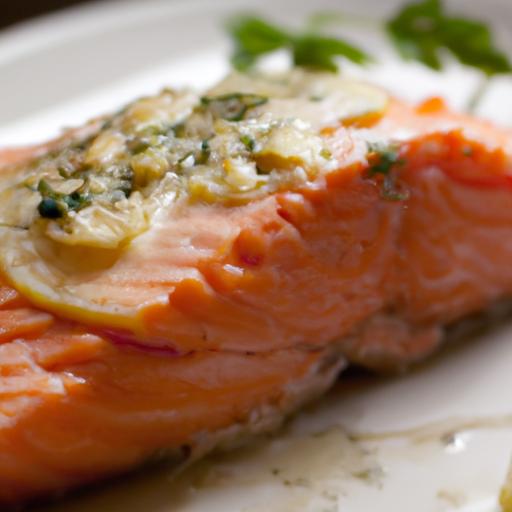

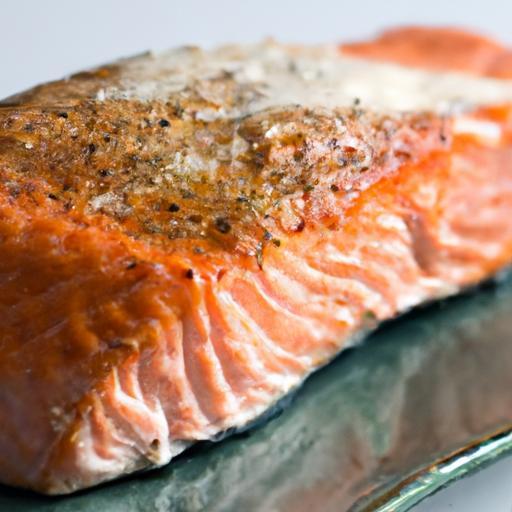
When it comes to cooking salmon, achieving that delicate, flaky texture can often feel like a culinary quest-one that balances precise timing and the perfect oven temperature. Too hot, and the fish risks drying out; too cool, and it may turn out underwhelmingly mushy. But fear not: mastering the ideal baking temperature is the key to unlocking salmon’s natural richness and tenderness. In this article, we’ll dive into the science and secrets behind baking salmon to flaky perfection, guiding you step-by-step toward restaurant-quality results right in your own kitchen. Whether you’re a seasoned home cook or a curious beginner, prepare to transform your salmon dishes with simplicity and confidence.
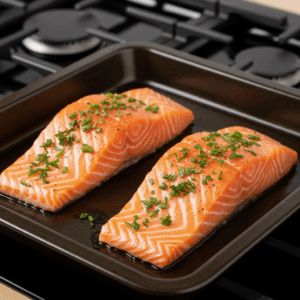
Choosing the Ideal Oven Temperature for Moist and Tender Salmon
Perfect Oven Temps are the secret to unlocking salmon’s luscious, flaky texture and vibrant flavor. When baking salmon, the temperature you select shapes every aspect of its final bite-from moisture retention to its delicate, buttery consistency. I’ve found that balancing moderate heat with cooking time elevates this simple fish into a culinary masterpiece that feels both effortless and refined.
For most home cooks, an oven temperature between 275°F to 350°F (135°C to 175°C) hits the sweet spot. Lower temperatures slow the cooking process, helping the salmon stay juicy while gently breaking down connective tissues. Conversely, higher temperatures speed up cooking but risk drying out the flesh if you’re not careful. That’s why knowing your oven’s quirks and following these techniques can transform your salmon dinner into a crowd-pleaser every time.
understanding Cooking Times and How They Affect Flakiness
Cook salmon based on its thickness rather then just overall weight. A good rule of thumb is to bake for roughly 10 minutes per inch of thickness at 275°F to 300°F. Thinner fillets might only need 8-10 minutes, while thick-cut portions can take up to 15 minutes at slightly higher temps. This gentle approach ensures a tender, flaky interior that flakes easily with a fork but remains moist and glistening.
Keep in mind that salmon continues cooking even after removing it from the oven due to residual heat (carryover cooking). Removing it the moment it flakes lightly will preserve that beautiful, delicate moisture instead of drying it out.
Techniques to Enhance Flavor While Maintaining Perfect Texture
To heighten flavor without compromising texture, start by seasoning your salmon simply with salt, freshly ground black pepper, and a drizzle of olive oil or melted butter. Consider adding fresh herbs like dill or thyme directly on the fillet or stuffing lemon slices underneath for an aromatic lift.
For a subtly complex exterior, try briefly searing salmon skin-side down in a hot skillet before baking. This step creates a crisp, golden skin and traps juices beneath. Alternatively, wrapping the fillet in parchment paper (en papillote) preserves moisture and infuses gentle steam.
Don’t forget the power of resting your salmon for 5 minutes after baking. This pause lets the juices redistribute evenly, guaranteeing each bite is rich, flavorful, and tender.
Tips for Using Thermometers to Achieve Consistent Baking Results
Investing in a reliable digital food thermometer is a game-changer. Insert it into the thickest part of the salmon to track internal temperature accurately. Aim for a target of 125°F to 130°F (52°C to 54°C) for medium-rare, which yields moist, flaky results prized by chefs and seafood aficionados alike.
Avoid overcooking by starting to check the temperature a few minutes before the expected finish time. Pull the salmon once you see it reach that sweet spot, as it will continue to cook slightly while resting. Using a thermometer not only takes guesswork out of the equation but nurtures confidence, especially when cooking for guests.

Prep and Cook Time
- Preparation: 10 minutes
- Cooking: 12-15 minutes (depending on thickness)
- Total Time: 25 minutes
Yield
Serves 4 generous portions
Difficulty Level
Easy
Ingredients
- 4 salmon fillets (6 oz each, skin on, about 1-inch thick)
- 1 tbsp olive oil
- 1 tsp kosher salt
- ½ tsp freshly ground black pepper
- 1 lemon (thinly sliced)
- Fresh dill or thyme sprigs (optional garnish)
- Butter or ghee (optional, 1 tbsp for brushing)
Instructions
- Preheat your oven to 300°F (150°C), ensuring even heat distribution by placing the rack in the middle.
- Pat salmon fillets dry with paper towels to promote crisp skin and better seasoning adherence.
- Brush each fillet with olive oil and sprinkle evenly with salt and pepper.
- Arrange lemon slices on a baking sheet lined with parchment paper or a lightly greased roasting pan.
- Place salmon fillets skin-side down directly on top of lemon slices. If you prefer, tuck a sprig of dill or thyme under each fillet for aromatics.
- Insert a digital thermometer probe into the thickest part of one fillet to monitor temperature.
- Bake salmon for 12-15 minutes or until the internal temperature reads 125°F-130°F. Begin checking at 10 minutes for thinner cuts.
- Remove salmon from oven immediately upon reaching temperature and let rest for 5 minutes uncovered.
- Optional step: For crispier skin, briefly sear skin-side down in a hot skillet with butter for 1-2 minutes before baking.
- Serve garnished with extra lemon wedges and fresh herbs.
Tips for Success
- Use a instant-read thermometer to prevent overcooking and achieve consistent results every time.
- For extra flavor, marinate salmon briefly in a mix of olive oil, garlic, and herbs before baking.
- If you don’t have fresh herbs, dried herbs can be sprinkled lightly but use with care to avoid overpowering.
- Try baking salmon en papillote wrapped in parchment paper with aromatics for a silky, steam-cooked texture.
- Leftovers reheat gently covered in the oven at 275°F to maintain moisture without drying.
- Adjust seasoning to taste – a pinch of smoked paprika or a drizzle of honey complements the natural flavor beautifully.
Serving Suggestions
Serve your perfectly baked salmon atop a bed of fluffy quinoa or garlic mashed potatoes. Add a luminous, crisp salad of arugula with shaved fennel and citrus to complement the richness. Garnish with additional fresh dill, a squeeze of lemon, and a drizzle of extra virgin olive oil. For an elegant plating, drizzle a light beurre blanc or a dill-yogurt sauce alongside.
| Nutrient | Per serving |
|---|---|
| Calories | 320 |
| Protein | 34g |
| Carbohydrates | 2g |
| Fat | 20g |
For more inspiration on salmon preparation and other seafood delights, check out our Grilled Salmon Recipes. To understand the science behind fish doneness and safety, visit FoodSafety.gov.
Q&A
Q&A: Perfect Oven Temps – How to Bake Salmon to Flaky Perfection
Q1: Why is oven temperature so crucial when baking salmon?
A1: Oven temperature is like the conductor of your salmon symphony-it directs how the fish cooks, ensuring it’s tender, moist, and flaky rather than dry and tough. Too high, and the outside crisps up while the inside stays raw; too low, and you risk a mushy texture. The right temp seasons the salmon with a perfect balance of gentle heat and juicy tenderness.
Q2: What’s the ideal oven temperature for baking salmon?
A2: The magic number usually lands between 375°F to 425°F (190°C to 220°C). For classic flaky goodness,400°F (204°C) strikes a perfect balance-it’s hot enough to cook salmon evenly with a slight caramelized crust, yet gentle enough to keep it moist inside.
Q3: Does the thickness of salmon affect baking temperature or time?
A3: Absolutely! Think of salmon thickness as a measure of patience. Thicker cuts (around 1.5 inches) may need a slightly longer bake time at 375°F to ensure even cooking, while thinner fillets breeze through at 425°F in less time. Internal doneness, rather than just time, should be your guide-aim for the flesh to flake with a fork but still feel moist.
Q4: Can I bake salmon at low temperatures for better texture?
A4: Yes! Slow and low can be a delicious approach. Baking salmon at 275°F (135°C) for about 20-25 minutes gives it a silky, buttery texture akin to slow-roasting. This method is perfect for thick fillets and those who relish a more delicate, melt-in-your-mouth experience.
Q5: Should I cover the salmon while baking?
A5: Covering salmon with foil can trap steam, which softens the texture and keeps moisture locked in-great when baking at higher temps or for longer times. For a crispier top, bake uncovered to allow the surface to brown beautifully.
Q6: How do I know when my salmon is perfectly baked?
A6: Look for salmon that’s opaque and flakes easily with a fork but is still juicy inside. Using a food thermometer helps too-aim for an internal temperature of 125°F to 130°F (52°C to 54°C) for medium doneness. Remember, the fish will continue to cook slightly after resting.
Q7: Any tips for seasoning or preparing salmon before baking?
A7: Keep it simple to highlight salmon’s natural flavor-think olive oil, lemon zest, fresh herbs, and a sprinkle of salt and pepper. Marinate briefly if you like, but be mindful that acidic marinades (like citrus) can “cook” the fish if left too long.
By mastering the oven temperature and baking method, your salmon can become the star of any meal-flaky, flavorful, and downright perfect every time!
Wrapping Up
Achieving flaky, tender salmon is as much about precision as it is indeed passion. By dialing in the perfect oven temperature and understanding the delicate balance of heat and time, you transform a simple fillet into a culinary masterpiece. So next time you preheat your oven, remember: the secret to salmon that flakes effortlessly isn’t just in the recipe-it’s in the perfect temperature that brings out the fish’s natural beauty. Happy baking, and may your salmon always come out succulent and sublime!