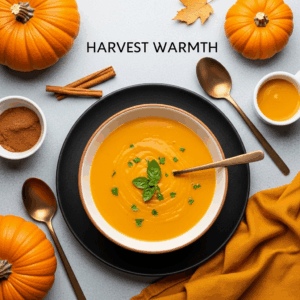

As autumn leaves begin to paint the world in hues of amber and gold, kitchens everywhere come alive with the comforting aroma of simmering spices and rich, velvety textures. Among these seasonal delights, classic pumpkin soup stands as a timeless emblem of harvest warmth-an inviting blend of tradition, flavor, and simple pleasures. More than just a dish, it’s a culinary hug that bridges generations, evoking memories of cozy gatherings and crisp fall evenings. In this article, we’ll explore the enduring charm of classic pumpkin soup, uncovering the secrets behind its hearty depth and why it continues to hold a cherished place at tables around the world.
Harvest Warmth is more than just a comforting classic pumpkin soup; it carries a rich tapestry of history and culture that stretches across continents. Originating from indigenous American traditions where pumpkins were a vital food source, this velvety soup has evolved to become a symbol of seasonal change, festivity, and home-cooked coziness. My first encounter with pumpkin soup was on a chilly autumn evening in Vermont, and the warmth and subtle sweetness instantly captured my heart, inspiring countless kitchen experiments to perfect this timeless favorite.
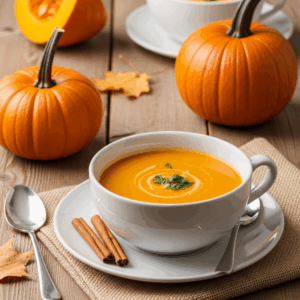
Prep and Cook Time
- Planning Time: 20 minutes
- cooking time: 40 minutes
- Total Time: 1 hour
Yield
Serves 6 generous bowls
Difficulty Level
Easy to Medium – perfect for cooks seeking a rewarding autumnal project
Essential Ingredients and Techniques for a Velvety Smooth Texture
- 2 lbs pumpkin flesh, peeled and cubed (choose sugar or pie pumpkin for sweetness)
- 1 large yellow onion, diced
- 3 cloves garlic, minced
- 4 cups low-sodium vegetable or chicken broth
- 1 cup heavy cream or coconut milk
- 2 tbsp unsalted butter
- 1 tsp ground cinnamon
- 1/2 tsp ground nutmeg
- Salt and freshly ground black pepper, to taste
- 1 tbsp olive oil
- Fresh thyme sprigs (optional, for aroma)
Crafting the Perfect Balance of Flavors in Classic Pumpkin Soup
- Heat the olive oil and butter in a large saucepan over medium heat until melted and shimmering.
- Add the diced onion and sauté until translucent and fragrant, about 5-7 minutes. Stir occasionally to prevent browning.
- Incorporate the garlic and cook for an additional 1 minute, stirring constantly.
- Add the cubed pumpkin, cinnamon, and nutmeg; toss well to coat the flesh in spices and aromatics.
- Pour in the broth, bring to a gentle boil, then reduce to a simmer. Cover and cook for 30 minutes, or until pumpkin is tender when pierced with a fork.
- Remove from heat and blend - using an immersion blender directly in the pot or transfer to a blender in batches – until silky smooth. for best texture, strain through a fine sieve.
- Return the soup to low heat. Stir in the heavy cream slowly, warming through but not boiling to preserve creaminess and flavor.
- Season with salt and pepper to taste. Adjust spices as desired for a warm but balanced finish.
- Tip: Adding a splash of freshly squeezed orange juice or a pinch of cayenne pepper at this stage can elevate the depth subtly.
Tips for Success and Variations
- For a dairy-free version, substitute heavy cream with full-fat coconut milk; it adds a tropical richness that pairs beautifully with the spice profile.
- If fresh pumpkin isn’t available, high-quality canned pumpkin puree works well. Just adjust broth slightly for desired consistency.
- Roast the pumpkin cubes before simmering to develop a caramelized, smoky note that deepens the soup’s flavor.
- Make-ahead: This soup stores well refrigerated up to 3 days and freezes flawlessly for up to 2 months.
- To ensure ultra-smooth texture, consider straining the blended soup using a fine mesh sieve or chinois.
Creative Garnishes and Serving Suggestions to elevate Your Bowl
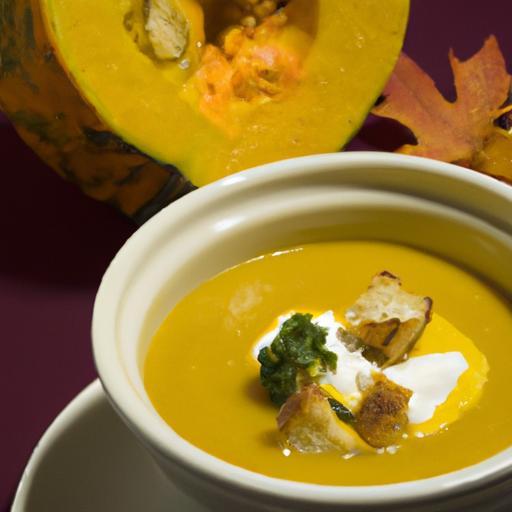
Presentation is key to expressing the comforting soul of Harvest Warmth. Top each bowl with a swirl of crème fraîche or a dollop of sour cream for richness and visual contrast. A sprinkle of toasted pumpkin seeds (pepitas) adds delightful crunch and nuttiness. Fresh herbs like chopped chives or thyme bring a pop of freshness that brightens the deep flavors.
For added layers of texture and taste, drizzle a little smoked paprika oil or chili-infused olive oil around the edge. Serve alongside freshly baked crusty bread or a rustic grilled cheese sandwich, enhancing the rustic charm.
To truly savor the cultural meaning, consider pairing the soup with a glass of dry white wine such as a Sauvignon Blanc or a delicate Chardonnay, whose acidity balances the creamy sweetness.

| Nutrient | Per Serving |
|---|---|
| Calories | 180 |
| Protein | 3g |
| Carbohydrates | 22g |
| Fat | 9g |
For more inspiration on seasonal soups, check out our Roasted Vegetable Soup recipe to create a cozy menu inviting the essence of fall indoors.
Discover the pumpkin’s versatility further by exploring the detailed history and nutritional insights at the USDA FoodData Central: USDA FoodData Central.
Q&A
Q&A: Harvest Warmth – The Timeless Charm of classic Pumpkin soup
Q1: What makes classic pumpkin soup a timeless fall favorite?
A1: Classic pumpkin soup captures the very essence of autumn – its warm, comforting flavors mirror the cozy glow of harvest season. The rich, creamy texture combined with the natural sweetness of pumpkin creates a bowl that’s both nourishing and nostalgic. It’s a recipe that invites memories of crisp walks through fallen leaves and family gatherings around the dinner table.
Q2: How did pumpkin soup become associated with harvest traditions?
A2: Pumpkin, native to North America, has long been a staple in harvest celebrations due to its late-summer ripening and vibrant orange hue. Over centuries, communities transformed this humble squash into warming dishes like pumpkin soup to utilize fresh, seasonal produce. Its availability during autumn made it a natural symbol for bounty and gratitude.
Q3: What are the key ingredients that define a classic pumpkin soup?
A3: The magic of classic pumpkin soup lies in its simplicity – fresh pumpkin or pumpkin puree, onions, garlic, vegetable or chicken broth, and a touch of cream or coconut milk create a luscious base. Spices like cinnamon, nutmeg, and a hint of ginger or chili elevate the flavor, adding warmth and subtle complexity.
Q4: Can pumpkin soup be adapted for different tastes and diets?
A4: Absolutely! Pumpkin soup is wonderfully versatile. For a vegan twist, replace dairy cream with coconut milk or cashew cream. Spice levels can be adjusted to suit mild or bold palates, and additional ingredients like roasted chestnuts, apple, or sage can infuse unique nuances without losing its classic charm.
Q5: why is pumpkin soup considered more than just a meal?
A5: Beyond sustenance, pumpkin soup embodies a sensory experience – from the earthy aroma as it simmers to the velvety warmth in every spoonful. It’s a culinary bridge connecting us to nature’s cycles and cultural traditions, a reminder to slow down, savor the season, and share comfort with loved ones.
Q6: What tips can enhance the flavor and texture of homemade pumpkin soup?
A6: Roasting the pumpkin before blending intensifies its sweetness and adds depth. Using fresh spices rather than pre-ground options can lift the aroma. For a silky finish, blending the soup until ultra-smooth and finishing with a swirl of cream or a drizzle of good olive oil makes all the difference.
Q7: How can pumpkin soup be served to highlight its harvest heritage?
A7: Serve classic pumpkin soup garnished with toasted pumpkin seeds, a sprinkle of fresh herbs like thyme or parsley, and crusty artisan bread. Pairing it with a crisp apple salad or a nut-studded grain bowl evokes the full spectrum of fall’s harvest bounty – turning a simple dish into a seasonal celebration.
Q8: What emotional or cultural significance does pumpkin soup hold during the cooler months?
A8: As the days grow shorter and temperatures dip, pumpkin soup offers a tender hug in a bowl – a symbol of warmth, care, and tradition. Its presence on tables across homes and cultures reflects a worldwide desire for connection and comfort during the transitional seasons, making it a perennial favorite filled with heart and soul.
To Conclude
As the golden hues of autumn deepen and the air turns crisp, classic pumpkin soup stands as a warm invitation to pause and savor the season’s bounty. Beyond its comforting aroma and velvety texture, this timeless dish carries stories of harvest gatherings, cozy kitchens, and the simple joys of nourishment. Whether enjoyed beside a crackling fire or shared among loved ones, pumpkin soup is more than a meal-it’s a celebration of nature’s generosity and the enduring warmth that good food brings to our lives. So next time you ladle a steaming bowl, remember you’re partaking in a tradition as rich and inviting as the season itself.