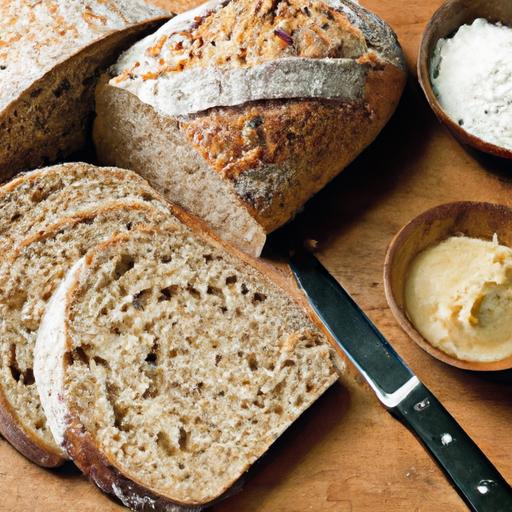

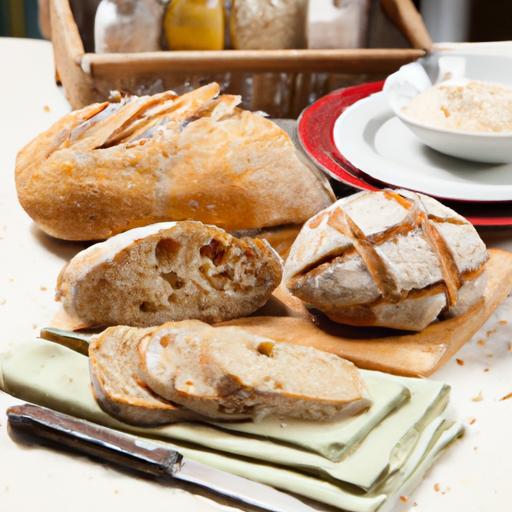
In a world where white bread and refined flours dominate our tables, a quiet revolution is rising from the earth beneath our feet. “Barely Bread: unlocking the hidden Power of ancient Grains” invites you to journey back through time to rediscover the humble grains that fed civilizations long before supermarkets existed. These ancient treasures, frequently enough overshadowed by modern staples, harbor a wealth of nutrition, flavor, and resilience that today’s diets desperately need. Join us as we peel back the layers of history, science, and culinary artistry to reveal how barely bread and its ancestral cousins are not just remnants of the past, but keys to a healthier, more sustainable future.
Barely bread, crafted from ancient barley varieties, offers an amazing way to nourish your body with sustained energy and time-tested nutrition. This wholesome loaf beckons from centuries past-its nutty aroma and chewy texture awakening the senses while delivering a powerful punch of fiber, vitamins, and minerals that modern grains simply can’t match. Drawing inspiration from customary baking methods, this recipe will guide you to master the art of creating a stunning barley bread that transforms everyday meals into healthful feasts.
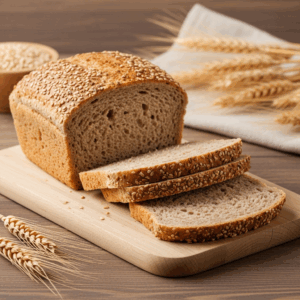
Prep and Cook Time
- Planning: 20 minutes
- Proofing: 1 hour 30 minutes
- Baking: 35 minutes
- Total: 2 hours 25 minutes
Yield
One medium loaf, serving 8 slices
Difficulty Level
Medium – Perfect for bakers ready to experiment with ancient grains and unleash rich, layered flavors.
Ingredients
- 1 ¾ cups ancient barley flour (milled from hulless barley)
- 1 ¼ cups bread flour, sifted
- 1 ¼ cups warm water (about 110°F)
- 2 tsp active dry yeast
- 2 tbsp honey or maple syrup
- 1 tbsp olive oil, plus extra for greasing
- 1 tsp sea salt
- 2 tbsp toasted barley flakes (optional, for topping)
Instructions
- activate the yeast: In a small bowl, stir the warm water with honey and yeast. Allow it to sit for about 10 minutes until it becomes frothy, indicating the yeast is alive and ready.
- Combine dry ingredients: In a large mixing bowl,whisk together the barley flour,bread flour,and sea salt. This creates the perfect foundation for your barley bread’s unique texture.
- Mix dough: Gradually pour the frothy yeast mixture and olive oil into the dry ingredients. stir with a wooden spoon or dough hook attachment until a rough dough forms.
- knead: Transfer the dough to a floured surface. Knead for 8-10 minutes until smooth and elastic. Barley’s lower gluten can make the dough softer, so use gentle but consistent pressure.
- First rise: Lightly oil a large bowl and place the dough inside,turning it once to coat with oil. Cover with a clean kitchen towel and let it rise in a warm spot for 1 hour or until doubled in size.
- Shape the loaf: Punch down the risen dough to release air bubbles. Shape it into a tight oval or round loaf. Place it on a parchment-lined baking sheet or greased bread pan.
- Second rise: Cover the dough loosely and let it rest for another 30 minutes. in this time, preheat your oven to 425°F (220°C).
- Prepare for baking: lightly brush the loaf with water and sprinkle toasted barley flakes on top for a rustic, nutty crust with extra crunch and visual appeal.
- Bake: Place the loaf in the oven and bake for 30-35 minutes, rotating halfway. The bread is done when the crust is golden brown and sounds hollow when tapped.
- Cool: Transfer the barley bread to a wire rack to cool fully before slicing-this ensures the crumb sets beautifully, locking in flavor and texture.
Tips for Success
- Using a mix of barley flour with bread flour balances density and elasticity; pure barley flour can led to crumbly bread due to low gluten.
- For a deeper flavor, replace honey with molasses or dark maple syrup.
- Make ahead: this barley bread freezes well. Slice before freezing for convenient, speedy use.
- Dust your work surface with barley flour during kneading to keep the dough manageable and avoid sticking.
- Experiment by adding herbs like rosemary or thyme into the dough for herbal undertones.
Serving Suggestions
This barely bread pairs beautifully with creamy cheeses or a vibrant spread of avocado and roasted tomatoes. For a heartier meal, try it toasted alongside a bowl of hearty vegetable soup or a chickpea stew. Garnish with a drizzle of extra virgin olive oil and a sprinkle of flaky sea salt to elevate its natural nuttiness. For breakfast, slather with almond butter and sliced bananas for a sustained energy boost that stays with you through the morning.

| Nutrient | Per Slice (Approx.) |
|---|---|
| Calories | 110 kcal |
| Protein | 4 g |
| Carbohydrates | 22 g |
| Fat | 1.2 g |
| Dietary Fiber | 3.5 g |
Discover more ways to explore ancient grains and their remarkable benefits with our Ancient Grain Salads guide and dive deeper into the health science of barley through this complete nutritional overview.
Q&A
Q&A: Barely bread – Unlocking the Hidden Power of Ancient Grains
Q1: what is Barely Bread, and how does it differ from regular bread?
A1: Barely Bread is a creative twist on the humble loaf, crafted primarily from barley-a resilient ancient grain that has nourished civilizations for millennia. Unlike typical wheat bread, Barely Bread leverages barley’s unique nutrient profile, offering a nuttier flavor, denser texture, and a host of health benefits often lost in modern refined grains. It’s more than just bread; it’s a connection to heritage and health.
Q2: Why focus on barley as an ancient grain?
A2: Barley is one of the earliest cultivated grains, with roots tracing back over 10,000 years. Rich in fiber,antioxidants,vitamins,and minerals,barley offers a nutritional powerhouse frequently enough overlooked in today’s grain-dominated world. Its slow-release carbohydrates help maintain steady energy levels, making it a smart choice for those seeking sustained vitality. Embracing barley is like rediscovering an age-old superfood hiding in plain sight.
Q3: How does Barely Bread contribute to modern health trends?
A3: Barely Bread aligns beautifully with contemporary demands for whole, minimally processed foods. It’s high in beta-glucan-a type of soluble fiber known to support heart health and regulate blood sugar. This bread supports digestive well-being, keeps you full longer, and helps reduce cholesterol levels. For those navigating gluten sensitivities,barley can sometimes be a gentler choice to wheat (though it still contains gluten). In essence, Barely Bread seamlessly blends tradition with today’s wellness ideals.
Q4: What does Barely Bread taste like, and how can it be enjoyed?
A4: Expect a warm, slightly sweet, and earthy flavor profile with a satisfying chew. Its hearty density makes it perfect for rustic sandwiches, toasted with a drizzle of honey, or paired with robust cheeses and savory spreads. Barely Bread invites culinary creativity-whether you’re crafting a nourishing breakfast or an adventurous dinner, it’s a canvas for both simplicity and indulgence.
Q5: Is Barely bread easy to make at home?
A5: Absolutely! While barley has a different gluten structure than wheat, basic Barely Bread recipes accommodate this by blending barley flour with wheat or using special techniques like longer fermentation times. Many artisan bakers appreciate the challenge, as it results in a loaf with character and complexity. With a bit of patience, anyone can unlock the ancient grain’s magic in their own kitchen.
Q6: Why should consumers embrace ancient grains like barley today?
A6: In a world dominated by quick fixes and processed foods, ancient grains offer a powerful reminder: the best nourishment often lies in nature’s original recipes. They carry the wisdom of countless generations and ecosystems, encouraging biodiversity, sustainable farming, and balanced nutrition. Choosing Barely Bread is a small but meaningful step toward honoring tradition while investing in your personal health and the planet’s future.
Ready to rediscover bread as it once was-wholesome, nourishing, and deeply rooted in history? Barely Bread opens a door to that world, one flavorful slice at a time.
In Conclusion
As we peel back the layers of history and nutrition, Barely Bread emerges not just as a humble staple but as a gateway to the ancient wisdom locked within grains.These time-honored kernels carry more than just flavor-they hold the promise of resilience, nourishment, and a connection to the past that modern diets often overlook. By embracing Barely Bread, we don’t merely enjoy a loaf; we invite a story of sustainability, health, and heritage to our tables. So next time you reach for a slice, remember: you’re savoring a piece of history, unlocking the hidden power of ancient grains one bite at a time.