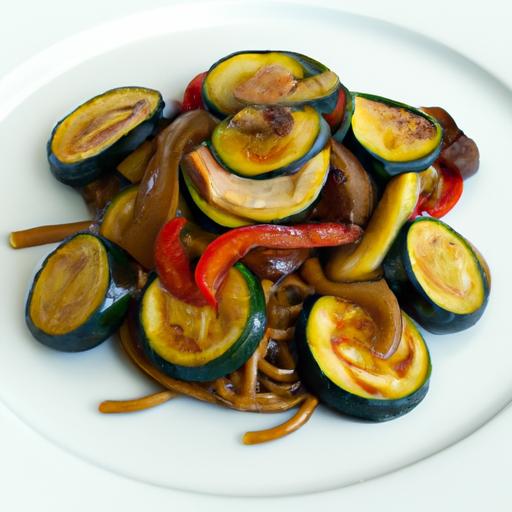

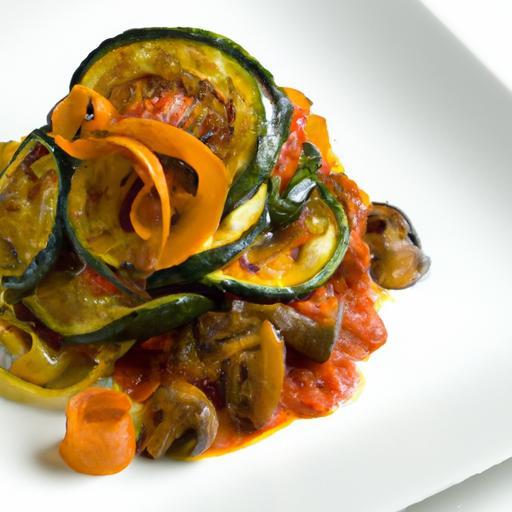
In the vibrant world of culinary arts, tradition frequently enough serves as both a foundation and a canvas-inviting chefs and home cooks alike to reinterpret timeless recipes with a fresh viewpoint. Enter spiral ratatouille: a mesmerizing twist on the classic Provencal vegetable medley that transforms humble ingredients into a visually stunning masterpiece. This artful rendition not only delights the palate but also captivates the eye, weaving together spirals of zucchini, eggplant, and other garden favorites in a harmonious dance of color and flavor. Join us as we unravel the secrets behind this elegant reinvention, exploring how technique and creativity breathe new life into a beloved dish while honoring its rustic roots.
Embracing the Art of Spiral ratatouille: origins and Evolution
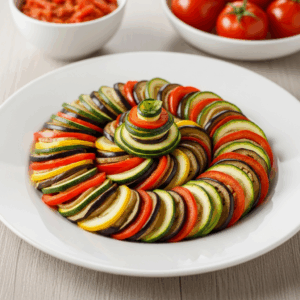
Twisting tradition: Discover the Art of Spiral Ratatouille invites you into a vibrant reimagining of the classic Provençal dish that has charmed palates for centuries. Originally rooted in rustic French countryside cooking, traditional ratatouille celebrates the bounty of Mediterranean vegetables simmered in fragrant herbs. This modern iteration transforms the familiar ingredients into a visual and textural masterpiece by spiraling zucchini, eggplant, and squash into delicate, elegant ribbons before layering them into a stunning mosaic. The evolution from a hearty stew to an artfully twisted composition elevates not only the flavor but the dining experience itself, capturing the essence of classic French technique with a creative flair.
The influence of contemporary food stylists and culinary visionaries has propelled this dish beyond stovetop simplicity into the realm of artistic plating and mindful eating. Each vegetable twist enhances tenderness while preserving crispness, delivering a mosaic of textures and colors that delight both the eye and palate. By choosing this approach, you’re not just cooking-you’re crafting an edible work of art rich with history and innovation.
Prep and Cook Time
- Preparation: 30 minutes
- Cooking: 45 minutes
- Total Time: 1 hour 15 minutes
Yield
Serves 4 elegantly as a main vegetarian entree or 6 as a vibrant side.
Difficulty Level
Medium – requires careful slicing and patience in layering, perfect for those eager to enhance their plating skills.
Ingredients
- 2 medium zucchini, thinly spiralized
- 1 medium eggplant, thinly spiralized
- 2 yellow squash, thinly spiralized
- 3 ripe Roma tomatoes, sliced thinly
- 1 medium red bell pepper,thin strips
- 4 cloves garlic,minced
- 2 tbsp extra virgin olive oil,plus extra for drizzling
- 1 tsp fresh thyme leaves
- 1 tsp fresh rosemary,chopped finely
- salt and freshly ground black pepper,to taste
- 1/2 cup homemade or high-quality marinara sauce
- Fresh basil leaves,for garnish
Instructions
- Prepare the vegetables: Using a spiralizer or sharp mandoline,carefully slice the zucchini,eggplant,and yellow squash into long,thin ribbons.Set aside on paper towels to absorb excess moisture, which prevents sogginess.
- Sauté aromatics: Warm 2 tablespoons of olive oil in a skillet over medium heat.Add the minced garlic, thyme, and rosemary.Sauté until fragrant, about 1-2 minutes, stirring constantly to avoid burning.
- Simmer the sauce: Pour in the marinara sauce to the skillet and stir gently. Let it simmer on low for 10 minutes,allowing the herbs to infuse evenly.
- Layer the ratatouille: Preheat oven to 375°F (190°C). Spread a thin layer of marinara sauce across the base of a shallow baking dish. Alternately layer the zucchini, eggplant, yellow squash, tomato slices, and red pepper in a repeating circular pattern, slightly overlapping to create a spiral effect.
- Season: Lightly brush the vegetable ribbons with olive oil and sprinkle salt and freshly ground black pepper evenly over the surface.
- Bake: Cover the dish tightly with parchment paper or foil and bake for 35-40 minutes.Remove the cover for the last 10 minutes to allow the vegetables to caramelize slightly and develop a golden hue.
- Finishing touches: Once baked, let it rest for 5 minutes before serving to let the flavors meld beautifully.
Tips for Success
- To achieve perfectly twisted vegetables, keep knife and spiralizer blades sharp; this ensures clean cuts that hold shape during baking.
- if you don’t have a spiralizer, use a vegetable peeler to create thin ribbons, then gently twist each before layering.
- Press the spiralized vegetables between paper towels or a clean kitchen towel to remove extra moisture-this prevents watery results.
- For a more intense flavor, substitute marinara with a roasted red pepper sauce or a garlic herb oil.
- This dish can be made ahead, refrigerated for up to 24 hours, and gently reheated covered in a low oven.
Serving Suggestions
Serve your spiral ratatouille warm, directly from the baking dish or carefully lifted onto a pristine white plate to emphasize its colorful ribbons. Garnish with fresh basil leaves and a light drizzle of extra virgin olive oil for a glossy finish that catches the light beautifully. Complement it with crusty artisan bread or a scoop of creamy polenta to soak up the luscious juices. A crisp, chilled glass of dry rosé or Sauvignon Blanc pairs perfectly to balance the vegetable’s natural sweetness and herbaceous notes.
For an elevated experience, consider adding a sprinkle of toasted pine nuts or crumbled goat cheese atop the center, enhancing texture and adding a savory depth that contrasts with the fresh vegetables.
Nutritional Information
| Nutrient | Per Serving (4 servings) |
|---|---|
| Calories | 140 kcal |
| Protein | 3 g |
| Carbohydrates | 18 g |
| Fat | 7 g |
To deepen your culinary journey, explore our article on classic ratatouille techniques. For a detailed dive into vegetable spiralizing tools and tips, this Serious Eats guide is an invaluable resource.

Q&A
Q&A: Twisting Tradition – Discover the Art of Spiral Ratatouille
Q1: What is Spiral Ratatouille, and how does it differ from traditional ratatouille?
A: Spiral Ratatouille is a visually stunning reimagination of the classic French vegetable stew.Instead of chunky, rustic slices, the vegetables are meticulously spiralized and arranged in a mesmerizing circular pattern. This technique not only elevates the dish’s aesthetic appeal but also offers a new textural experience, blending the freshness of each ingredient in a delicate, intertwined dance.
Q2: Why choose spiralizing for ratatouille? Is it only for presentation?
A: While spiralizing undoubtedly boosts the dish’s artistry, it also enhances flavor distribution and cooking uniformity. Thin,spiral-cut vegetables absorb the savory tomato and herb base more evenly,creating a harmonious bite every time. Plus, the technique invites chefs and home cooks alike to engage creatively with tradition, turning the familiar into a culinary masterpiece.
Q3: Which vegetables work best for making Spiral Ratatouille?
A: The classic ratatouille staples shine here-zucchini, eggplant, and yellow squash are ideal for their firmness and color variety.Add vibrant red and yellow bell peppers, and thinly sliced tomatoes to complete the palette. The key is selecting firm vegetables that maintain their shape after spiralizing and roasting, contributing to both beauty and flavor.
Q4: How do you assemble the Spiral ratatouille to achieve that perfect spiral effect?
A: Begin by spiralizing or thinly slicing each vegetable uniformly. Then, lay down a rich tomato and herb sauce as the base in your baking dish. Starting from the outer edge, alternate the different spiralized vegetables, standing them upright and slightly overlapping each piece. Continue spiraling inward, creating a tight, colorful coil that bakes into tender perfection.
Q5: Is Spiral Ratatouille hard to make? Can a home cook try this at home?
A: While it may look intricate, Spiral Ratatouille is surprisingly approachable. The key lies in patience and preparation. With a good mandoline or spiralizer, a bit of practice in slicing, and attention to arrangement, any home cook can create this dish. It’s a perfect project for those who enjoy combining hands-on technique with flavorful, healthy cooking.
Q6: What herbs and seasoning complement the spiralized vegetables best?
A: Classic Provencal herbs like thyme, rosemary, and basil are perfect companions. Garlic and a splash of olive oil add warmth and depth. A touch of sea salt and freshly cracked pepper highlight the vegetables’ natural sweetness, while a hint of balsamic vinegar can round out the sauce’s acidity beautifully.
Q7: Can Spiral Ratatouille be served as a main dish or is it a side?
A: spiral Ratatouille is wonderfully versatile. It can stand alone as a light, vegetarian main course, especially when served warm with crusty bread or a side of creamy polenta. Alternatively,it makes an elegant side that complements grilled meats or fish,bringing freshness and color to any plate.
Q8: What’s the best way to enjoy Spiral ratatouille for guests or special occasions?
A: Presentation is everything! Bake the spiral ratatouille in a shallow,circular dish for maximum visual impact. Serve it straight from the oven with a sprinkle of fresh herbs and a drizzle of good-quality olive oil. Paired with a crisp white wine or a delicate rosé, this dish transforms any meal into a celebration of both tradition and innovation.
Key Takeaways
As we untangle the vibrant layers of spiral ratatouille, it becomes clear that this dish is more than a feast for the eyes-it’s a celebration of innovation rooted in tradition. by reimagining the classic Provençal stew into elegant spirals, chefs invite us to experience familiar flavors in a fresh, artistic form.
Whether you’re a seasoned home cook or a curious foodie, embracing the art of spiral ratatouille opens the door to a delightful dance of textures and colors on your plate. so next time you crave a dish that honors heritage while twisting it with modern flair, let spiral ratatouille inspire your culinary creativity and bring a spiral of joy to your table.