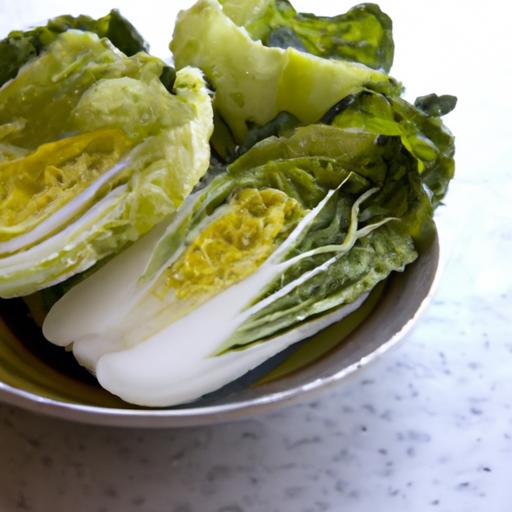

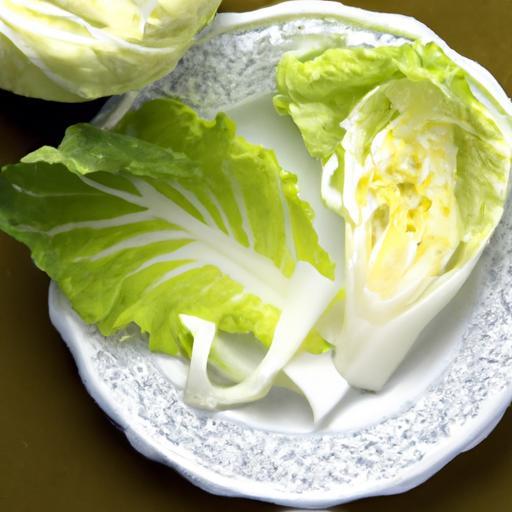
Nestled within the vibrant world of leafy greens, Napa cabbage stands out as a versatile and flavorful superstar waiting to be discovered. With its crisp texture and subtly sweet taste, this humble vegetable has long been a staple in Asian cuisines-and for good reason. From crunchy salads to warming soups, Napa cabbage adapts effortlessly, inviting cooks of all skill levels to experiment and enjoy.
In this article, we’ll explore a collection of tasty recipes that showcase the many wonders of Napa cabbage, inspiring you to bring a fresh twist to your kitchen today. Whether your a seasoned chef or a curious foodie, prepare to be delighted by the endless possibilities this leafy gem offers.
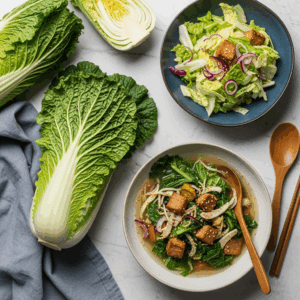
Napa cabbage wonders unlock a refreshing culinary journey packed with nutrients, vibrant textures, and versatile flavors. This deliciously crisp and tender vegetable, cherished in East Asian cuisine for centuries, offers a subtle sweetness and mild crunch that beautifully complements a broad spectrum of everyday meals. Whether you’re crafting a comforting bowl of warming soup, a crisp salad bursting with freshness, or a hearty stir-fry to satisfy your savory cravings, Napa cabbage can elevate your dishes in both taste and nutrition.
prep and Cook Time
Preparation: 10 minutes
Cooking: 15 minutes
Total Time: 25 minutes
Yield
Serves 4 people
Difficulty Level
Easy
Ingredients
- 1 medium Napa cabbage (about 2 lbs), washed and chopped
- 2 tablespoons sesame oil
- 3 cloves garlic, minced
- 1-inch piece fresh ginger, grated
- 1 medium carrot, julienned
- 2 green onions, sliced diagonally
- 1 tablespoon soy sauce (low sodium preferred)
- 1 teaspoon rice vinegar
- 1 tablespoon toasted sesame seeds
- Salt and freshly ground black pepper to taste
- Optional: 1 small chili pepper, thinly sliced for heat
Instructions
- Prepare Napa Cabbage: Remove outer leaves if wilted, then cut the cabbage lengthwise and chop into bite-sized pieces, separating the crunchy stems and leafy parts for even cooking.
- Heat sesame oil: In a large skillet or wok over medium heat, add sesame oil until shimmering but not smoking.
- Sauté aromatics: Add minced garlic and grated ginger. Sauté gently for 1-2 minutes until fragrant, stirring continuously to avoid burning.
- Add vegetables: Toss in the chopped Napa cabbage stems and carrots first, cooking for about 3 minutes to soften the crisp textures without losing their vibrant bite.
- Incorporate leafy parts: Add the softer leafy cabbage sections and stir-fry for an additional 4-5 minutes, allowing them to wilt tenderly while absorbing the aromatic flavors.
- Season: Drizzle with soy sauce and rice vinegar for a harmonious balance of savory and tangy notes. Toss well to coat every bite evenly.
- Add finishing touches: Stir in sliced green onions and sprinkle toasted sesame seeds on top. For a spicy kick,include the optional chili slices now.
- Adjust seasoning: Taste and add salt or black pepper as desired. Serve immediately to enjoy its crisp freshness.
Chef’s Notes: Tips for Success
Choosing Napa cabbage with firm, light green leaves and crisp white ribs ensures the freshest flavor and texture. Store it wrapped loosely in paper towels inside a perforated plastic bag, in the crisper drawer, to maximize shelf life up to two weeks.
For a heartier meal, add thinly sliced chicken breast or tofu during step 4 to fold in protein. Try swapping soy sauce for tamari for a gluten-free option that retains deep umami.
If preparing ahead, slightly undercook the cabbage in the stir-fry and reheat gently later to preserve its crunch and vibrant color.
Serving Suggestions
This vibrant Napa cabbage stir-fry pairs beautifully with steamed jasmine rice or noodles to soak up the savory juices. Garnish with fresh cilantro or a sprinkle of chopped peanuts for texture contrast and freshness. For a light lunch, serve atop a bed of chilled cooked quinoa or alongside grilled fish for a nourishing, balanced plate.

| Nutrient | Amount per Serving |
|---|---|
| calories | 90 kcal |
| Protein | 2.5 g |
| Carbohydrates | 10 g |
| Fat | 5 g |
Discover more nourishing recipes and kitchen insights in our Healthy Vegetable Stir-Fries Guide and explore comprehensive health benefits of Napa cabbage on Healthline.
Q&A
Q&A: Napa Cabbage Wonders – Tasty Recipes to Try Today
Q1: What makes Napa cabbage different from regular cabbage?
A1: Napa cabbage, sometimes called Chinese cabbage, boasts a milder, sweeter flavor and a crisp, tender texture that sets it apart from the more peppery and dense green or red cabbages. Its elongated leaves and pale color make it perfect for both raw and cooked dishes, lending a subtle crunch and delicate taste that won’t overpower your recipes.
Q2: Can Napa cabbage be eaten raw, or is it better cooked?
A2: Napa cabbage shines in both forms! Raw, it adds a refreshing crunch to salads and slaws, while when cooked-whether stir-fried, steamed, or simmered-it transforms, becoming tender and absorbing flavors beautifully. Its versatility means it complements everything from fresh summer meals to hearty winter stews.
Q3: What are some speedy and delicious recipes I can try using Napa cabbage?
A3: Here are a few tasty ideas to get you started:
- Napa Cabbage Kimchi: A classic fermented dish bursting with spicy, tangy notes.
- Stir-Fried napa with garlic and Ginger: A speedy side that highlights its natural sweetness.
- Napa Cabbage and Mushroom Soup: Comfort in a bowl, perfect for chilly nights.
- Crunchy Napa Slaw with Sesame dressing: A zesty, refreshing salad to brighten any meal.
Q4: How do I store Napa cabbage to keep it fresh longer?
A4: Keep your Napa cabbage wrapped loosely in a plastic bag or stored in the crisper drawer of your refrigerator. It can stay fresh for up to two weeks when stored properly, but try to use it sooner for the best texture and flavor.
Q5: Is Napa cabbage nutritious?
A5: Absolutely! Napa cabbage is low in calories but packed with vitamins C and K, fiber, and antioxidants. Incorporating it into your meals is a tasty way to boost hydration and nutrient intake without extra guilt.
Q6: Can I substitute Napa cabbage for regular cabbage in recipes?
A6: yes, though keep in mind Napa’s texture is more delicate and its flavor sweeter and less pungent. It effectively works wonderfully in most cabbage-based dishes but might change the final taste slightly-frequently enough for the better!
Q7: Any tips for cooking Napa cabbage without it turning mushy?
A7: To keep that pleasing crispness, avoid overcooking! Quick stir-frying or blanching and then sautéing works well. Adding Napa cabbage towards the end of cooking or cooking it on high heat for short bursts preserves its texture superbly.
Explore the delightful world of Napa cabbage and watch ordinary meals transform into vibrant, flavorful experiences. Whether raw, pickled, or cooked, this humble vegetable is a pantry superstar waiting to be discovered!
In Conclusion
From crunchy slaws to savory stir-fries, napa cabbage transforms every dish with its delicate texture and subtle sweetness.Whether you’re a seasoned chef or a kitchen novice,these recipes invite you to explore the endless culinary possibilities this humble vegetable offers. So next time you’re at the market, don’t overlook the wonder of napa cabbage-your taste buds (and your dinner table) will thank you. Happy cooking, and may your kitchen be ever filled with fresh flavors and inspired creations!