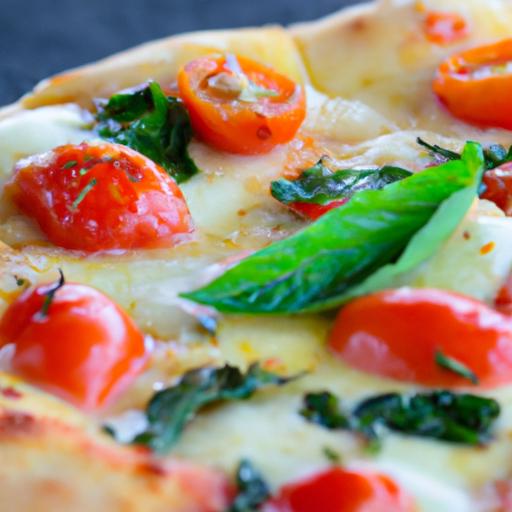

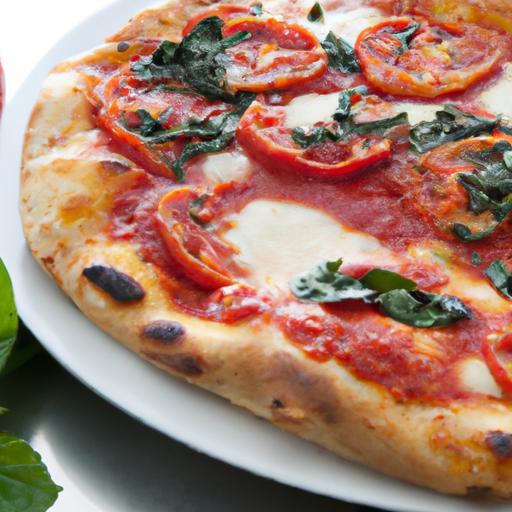
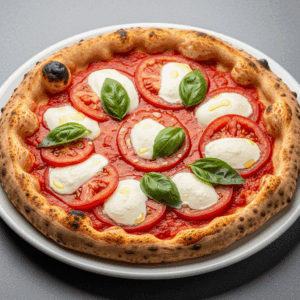
In the vast and ever-evolving world of culinary delights, few dishes have stood the test of time as gracefully as the classic Margherita pizza. With its simple yet vibrant medley of fresh tomatoes, creamy mozzarella, fragrant basil, and a drizzle of golden olive oil atop a perfectly blistered crust, this iconic pie is more than just a meal-it’s a celebration of tradition, artistry, and the pure joy of good ingredients harmonizing in every bite. “Timeless Taste: The Art of Classic Margherita Pizza” invites you to explore the roots, craftsmanship, and enduring appeal of a pizza that continues to captivate palates worldwide, proving that sometimes, simplicity truly is the ultimate sophistication.
Timeless taste lies in the harmonious simplicity of a classic Margherita pizza, a dish whose roots trace back to the vibrant streets of Naples in the late 19th century. This iconic pizza pays homage to Italy’s colors-red tomato, white mozzarella, and green basil-and embodies a culinary art perfected through centuries. The secret to achieving this timeless taste starts with mastering the foundational elements: perfectly crafted dough, flavorful tomato sauce, and an impeccable balance of fresh mozzarella and aromatic basil.
Prep and Cook Time
- Preparation: 2 hours (includes dough resting and sauce simmering)
- Cooking: 10-12 minutes (baking in a very hot oven or pizza stone)
Yield
- Serves 2-3 people, one 12-inch pizza
Difficulty Level
- Medium – perfect for home cooks looking to elevate their pizza game
Ingredients
- For the Dough:
- 3 ½ cups (440g) all-purpose flour, sifted
- 1 ¼ cups (300ml) warm water (100°F/38°C)
- 2 tsp active dry yeast
- 1 tsp sea salt
- 1 tbsp extra virgin olive oil
- 1 tsp granulated sugar
- For the Tomato Sauce:
- 1 can (14 oz/400 g) San Marzano tomatoes, crushed by hand
- 2 cloves garlic, finely minced
- 2 tbsp extra virgin olive oil
- ½ tsp sea salt
- ¼ tsp dried oregano (optional)
- Freshly ground black pepper, to taste
- For topping:
- 8 oz (225g) fresh mozzarella di bufala, sliced
- Fresh basil leaves, several sprigs
- Extra virgin olive oil, for drizzling
Instructions
- Prepare the Dough: In a small bowl, dissolve the yeast and sugar in warm water. Let it activate for about 5-7 minutes until frothy.
- In a large mixing bowl, combine the flour and salt. Slowly add the yeast mixture and olive oil, mixing until the dough starts to come together.
- Transfer to a floured surface and knead vigorously for about 10 minutes until the dough is smooth and elastic. If sticky, dust with a little more flour.
- place the dough in an oiled bowl, cover with a damp cloth or plastic wrap, and let rise in a warm place for 1.5-2 hours, or until doubled in size.
- Make the Tomato Sauce: While the dough rises, heat olive oil in a skillet over medium heat. Add minced garlic and sauté gently until fragrant and golden, about 1 minute-avoid burning.
- Add the crushed San Marzano tomatoes, sea salt, optional oregano, and pepper. Simmer over low heat for 20-30 minutes, stirring occasionally, until slightly thickened. Adjust seasoning.
- Shape and Top the pizza: Preheat yoru oven to the highest setting (usually 500°F/260°C) and place a pizza stone or baking sheet inside to heat.
- Turn the dough onto a floured surface and gently stretch or roll it into a 12-inch round, leaving a slightly thicker edge for the crust.
- Spread an even layer of the tomato sauce over the dough, leaving the outer rim bare to allow for crust expansion.
- Distribute sliced fresh mozzarella evenly, making sure not to overload to prevent sogginess.
- Drizzle a small amount of extra virgin olive oil over the toppings.
- Transfer the pizza onto the preheated stone or sheet and bake for 10-12 minutes, or until the crust is golden with charred spots and cheese bubbling.
- Once out of the oven, instantly scatter fresh basil leaves on top to release their aromatic oils with the residual heat.
- let the pizza rest for a minute, slice, and serve warm.
Tips for Success
- Dough troubleshooting: If dough feels too tough after kneading, let it rest longer for better gluten progress.
- Sauce Variation: For a fresher taste, blend part of the tomatoes raw into the sauce or skip simmering for a quicker version.
- Mozzarella Substitutions: Fresh cow’s milk mozzarella can be used but expect slightly less creaminess than buffalo mozzarella.
- Make-Ahead: Dough can be refrigerated up to 24 hours for enhanced flavor; remove from fridge and allow to warm before shaping.
- Cooking Tip: Use a pizza stone or preheated baking steel whenever possible for the quintessential crisp crust.
- Herb Boost: Add a sprinkle of crushed red pepper flakes or a drizzle of aged balsamic for an interesting twist on the classic.
Serving Suggestions
Present your Margherita pizza on a rustic wooden board or a large ceramic platter. Garnish with a few extra fresh basil leaves and a light drizzle of high-quality extra virgin olive oil just before serving. Pair this with a chilled glass of Italian white wine like a Vermentino or a citrusy Aperol Spritz to complement the bright tomato flavors and creamy cheese. For a refined touch, add a sprinkle of flaked sea salt on top right before serving to enhance all the natural flavors.

| Nutrition | Per Serving |
|---|---|
| Calories | 390 kcal |
| Protein | 18 g |
| Carbohydrates | 45 g |
| Fat | 14 g |
Discover more strategies to perfect your pizza craft in our ultimate Guide to Homemade Pizza Dough. For an in-depth history, see the authoritative Napoli Pizza Association to understand the cultural significance behind this global favorite.
Q&A
Q&A: Timeless Taste – The Art of Classic Margherita Pizza
Q1: what makes the Margherita pizza a timeless classic?
A1: The Margherita pizza’s enduring charm lies in its simplicity and balance. With just three core ingredients-fresh tomatoes, creamy mozzarella, and fragrant basil-it captures the essence of Italian flavors in perfect harmony. Its origins date back to the late 19th century, symbolizing the colors of the Italian flag, which adds a layer of cultural pride to every bite.
Q2: How did the Margherita pizza get its name?
A2: Legend has it that in 1889, pizza maker Raffaele Esposito crafted this pizza in honor of queen Margherita of Savoy. The tri-colored toppings mirrored the Italian flag-red tomatoes, white mozzarella, and green basil-earning the pizza her royal namesake and cementing its place in culinary history.
Q3: What is the secret behind the perfect Margherita crust?
A3: Achieving the ideal crust is an art in itself. The secret lies in a slow fermentation of high-quality dough, which develops subtle tanginess and a chewy yet crisp texture. When baked in a blistering wood-fired oven, the crust puffs up gloriously with charred spots that bring smoky depth-a perfect canvas for the toppings.
Q4: Can any tomato be used for Margherita pizza sauce?
A4: While fresh tomatoes are tempting, the authentic Margherita sauce is traditionally made from San Marzano tomatoes, grown in Italy’s volcanic soil near Mount vesuvius. These tomatoes offer a sweet acidity and low seed content that create a rich, velvety sauce without overpowering the delicate balance of the pizza.
Q5: Why is fresh mozzarella preferred over other cheeses?
A5: Fresh mozzarella provides a milky, creamy texture that melts beautifully and complements the sharpness of the tomato sauce. Unlike aged or shredded cheeses, it retains moisture and a mild flavor, ensuring that each bite is luscious without overshadowing the basil’s aromatic freshness.
Q6: How does basil enhance the flavor profile of Margherita pizza?
A6: Basil adds a bright, peppery aroma and subtle sweetness that enlivens the pizza’s flavor. It acts as the herbal bridge between the tangy tomatoes and creamy cheese, elevating the whole experience with bursts of freshness. Ideally, fresh basil leaves are added just before or after baking to preserve their vibrant essence.
Q7: Is it possible to recreate authentic Margherita pizza at home?
A7: Absolutely! While a wood-fired oven imparts a unique smokiness, home cooks can still craft a appetizing Margherita by using a pizza stone or steel in a very hot conventional oven. The key is to use quality ingredients, knead the dough carefully, and bake at the highest possible temperature to achieve that golden crust and gooey topping.
Q8: What does Margherita pizza teach us about food and culture?
A8: The Margherita pizza is a delicious reminder that sometimes, less truly is more. It celebrates local ingredients, national pride, and culinary craftsmanship without extravagance. This humble pie connects people-across generations and borders-through a shared love of simple, honest food that tells a story on every slice.
Q9: How has the Margherita pizza influenced modern pizza varieties?
A9: As the cradle of all pizzas, the Margherita serves as a foundational template and inspiration. Modern pizzas frequently enough build upon its principles-perfect dough, balanced toppings, and respect for ingredients-while experimenting with new flavors and techniques. It remains the gold standard, a benchmark of authenticity and quality that chefs worldwide aspire to.
Q10: What is the best way to enjoy a Margherita pizza?
A10: The ultimate Margherita experience is best savored fresh out of the oven, with a rustic wooden table, good company, and maybe a glass of Italian red wine. Each slice should be folded gently to capture the melty cheese and aromatic basil, allowing the harmonious flavors to dance across your palate-simple, soulful, and utterly timeless.
The Way Forward
The classic Margherita pizza’s enduring charm comes from its perfect balance of tradition, quality ingredients, and artisanal craft. Each slice tells a story of heritage and passion, proving that simple flavors create the most lasting impressions. Whether in a Neapolitan pizzeria or your kitchen, it’s a timeless culinary icon to savor and celebrate.