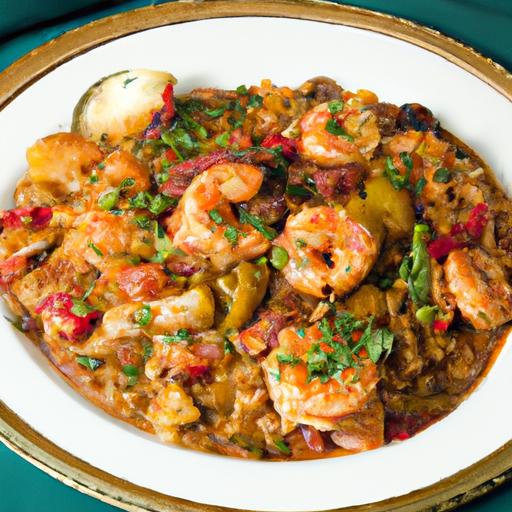

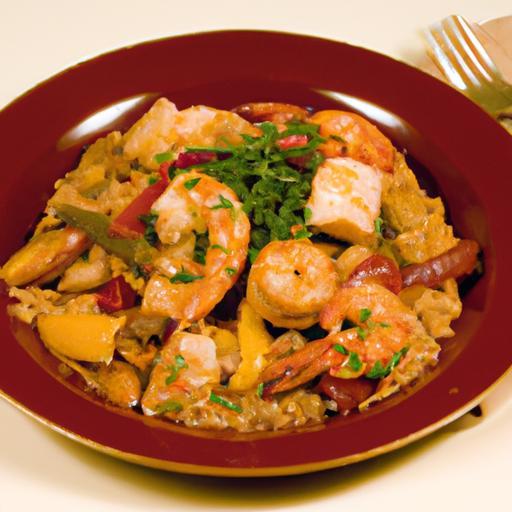
In the heart of Louisiana’s bayous and bustling streets, a vibrant melody of flavors simmers in cast-iron pots and clay crocks-this is jambalaya, the soulful emblem of Cajun cuisine. More than just a dish, jambalaya is a culinary tapestry woven from the rich history, diverse cultures, and spirited resilience of the American South. From the smoky depths of Andouille sausage to the tender embrace of succulent shrimp, each bite tells a story, inviting food lovers on a savory journey through time and tradition. join us as we unveil jambalaya’s origins, explore its signature ingredients, and celebrate the bold flavors that have made this hearty rice dish a beloved cornerstone of Cajun heritage.
Jambalaya unveiled captures the heart of Cajun culture-a dish born from centuries of cultural fusion, resourceful cooking, and communal celebration. Originating in Louisiana, jambalaya is more than just a hearty one-pot meal; it is a vibrant story of the region’s French, Spanish, African, and Native American influences melding harmoniously in every bite. Whether you’re stirring the pot under a big oak tree at a backyard cookout or recreating the soulful flavors at home, jambalaya invites you on a savory journey where every spoonful tells a tale.

Prep and Cook Time
- Preparation: 20 minutes
- cooking: 45 minutes
- Total Time: 1 hour 5 minutes
Yield
Serves 6 hearty portions
Difficulty Level
Medium – Ideal for adventurous home cooks eager to master authentic Cajun flavors
Key Ingredients That Define Authentic Jambalaya Flavors
- 1/4 cup vegetable oil – for building the roux foundation
- 1/4 cup all-purpose flour – to create the nutty brown roux essential for depth
- 1 large onion, finely chopped
- 1 green bell pepper, diced
- 3 ribs celery, chopped
- 4 cloves garlic, minced
- 1 lb andouille sausage, sliced into bite-size pieces
- 1 lb boneless chicken thighs, cut into chunks
- 1 can (14.5 oz) diced tomatoes, with juice
- 2 cups long-grain white rice
- 4 cups chicken stock
- 2 tsp Cajun seasoning (blend of paprika, cayenne, thyme, oregano, black pepper, and salt)
- 1 bay leaf
- Salt and freshly ground black pepper, to taste
- 2 green onions, sliced (for garnish)
- fresh parsley, chopped (for garnish)
step by Step Guide to Crafting the Perfect Jambalaya
- Make the Roux: In a large heavy-bottomed pot or Dutch oven, heat the vegetable oil over medium heat. Gradually whisk in the flour and cook, stirring constantly, until it turns a rich caramel brown, about 10-12 minutes. Be patient-this slow process unlocks the deep, smoky flavors essential to authentic jambalaya.
- Sauté the Holy Trinity: Add onions, bell pepper, and celery to the roux. cook until softened and fragrant, around 5 minutes, stirring frequently to prevent sticking. This blend of vegetables is the foundation of Cajun cuisine’s vibrant flavor.
- Add Garlic and Meats: Stir in the minced garlic, then add the sliced andouille sausage and chicken pieces. Sauté everything until the chicken is lightly browned, about 6-8 minutes, ensuring each piece gets a golden sear.
- Combine Tomatoes and Seasonings: Pour in the diced tomatoes with their juice, sprinkle in the Cajun seasoning and bay leaf, then stir thoroughly. Let the mixture simmer for 5 minutes-this allows the flavors to meld and deepen.
- Stir in Rice and Stock: Add the rice and chicken stock, mixing well to incorporate every grain. Increase heat to bring the pot to a boil, then reduce to low, cover tightly, and let simmer for 25-30 minutes. Avoid lifting the lid to keep the steam trapped-this ensures perfectly cooked rice.
- Final Touches: Once the rice is tender and liquid absorbed, remove from heat. Discard the bay leaf, fluff the jambalaya gently with a fork, and adjust salt and pepper if needed.
- Garnish and Serve: Sprinkle chopped green onions and fresh parsley on top for a pop of color and flavor before serving.
Tips for Success
- Roux patience: The secret to perfect jambalaya lies in a well-made roux; don’t rush the browning process and stir consistently to avoid burning.
- Rice choice: Use long-grain white rice for fluffy, separate grains. Avoid instant or fast-cook rice for best texture.
- Meat variations: Swap chicken thighs for shrimp or pork, or use a combo-just adjust cooking times accordingly.
- Make ahead: Jambalaya tastes even better the next day. Store leftovers in the fridge for up to 3 days and reheat gently with a splash of stock.
- Spice level: Adjust the amount of Cajun seasoning or cayenne pepper to suit your heat tolerance; this recipe is balanced but can be customized.
Serving Suggestions to Elevate Your Cajun Dining experience
Serve your jambalaya steaming hot with a side of crispy Cajun cornbread to soak up its rich sauce. Complement every bite with a dry white wine like Sauvignon Blanc or a cold, refreshing lager to cut through the spice beautifully. For an authentic touch, garnish with freshly chopped green onions and vibrant parsley. A simple mixed green salad tossed with a tangy vinaigrette balances the hearty flavors, making your meal even more memorable.

| Nutrient | Per Serving |
|---|---|
| Calories | 450 kcal |
| Protein | 32 g |
| Carbohydrates | 42 g |
| Fat | 15 g |
For further reading on Cajun cooking techniques and history, explore this National Park Service article on Cajun heritage.
Q&A
Jambalaya Unveiled: A Savory Journey Through Cajun Cuisine – Q&A
Q1: What exactly is jambalaya, and why is it considered a cornerstone of Cajun cuisine?
A1: Jambalaya is a fragrant, hearty rice dish bursting with a medley of flavors-spices, vegetables, and proteins like sausage, chicken, or seafood all melded into one pot. It’s the heartbeat of Cajun cooking, embodying the resourcefulness and vibrant spirit of Louisiana’s bayou culture. the dish’s roots trace back to a fusion of French, Spanish, and West African influences, making it a soulful symbol of Creole and Cajun identity.
Q2: How does jambalaya differ from other rice-based dishes like paella or gumbo?
A2: Though jambalaya, paella, and gumbo share rice and rich seasonings, their essence is distinct. Paella hails from Spain, frequently enough cooked in a wide, shallow pan with saffron and seafood. Gumbo is a thick, soup-like stew with a roux base served over rice. Jambalaya cooks rice directly in the pot with the other ingredients, soaking in their flavors, resulting in a drier, more cohesive dish that’s all about that perfect rice-to-protein harmony.
Q3: What are the essential ingredients that give jambalaya its signature taste?
A3: The triumvirate of the “holy trinity” of Cajun cooking-onions, bell peppers, and celery-forms the aromatic backbone. Addouille sausage lends smoky depth, while chicken or shrimp add texture and heartiness. Creole tomatoes bring a tangy brightness (especially in Creole-style jambalaya), and spices like thyme, cayenne, and bay leaves weave it all together with a teasing kick. The rice absorbs these layers, creating a symphony of savory goodness.
Q4: Are there variations of jambalaya, and how do they reflect regional or cultural differences?
A4: Absolutely! The two main styles-Cajun and Creole-are deliciously distinct. Cajun jambalaya, often called “brown jambalaya,” starts with browning the meat and vegetables, and typically omits tomatoes, resulting in a rich, smoky flavor. Creole jambalaya, or “red jambalaya,” includes tomatoes which brighten the dish. Beyond that, family recipes introduce local tweaks-some add seafood, others pile on vegetables or opt for a spicier bite-each telling a story of heritage and local bounty.
Q5: What tips can a home cook use to master the perfect jambalaya?
A5: Patience and balance are key. Start by building a deep flavor base through properly sautéing the holy trinity and browning your meats. Use the right rice-long-grain is customary to keep grains separate and fluffy. Don’t rush the simmer; letting the flavors marry as the rice cooks is crucial. Taste as you go and adjust seasoning-jambalaya is forgiving but benefits from a confident hand with spices. Lastly, embrace the imperfect; every pot is a unique journey!
Q6: why does jambalaya continue to captivate food lovers beyond Louisiana?
A6: Jambalaya is more than a dish-it’s an invitation to experience the colorful fusion of cultures, history, and community found in Cajun country. Its bold flavors and comforting heart resonate universally, providing a culinary adventure that’s both familiar and exciting. whether shared at a family gathering, a festive celebration, or cooked solo with soulful intent, jambalaya’s allure lies in its simplicity layered with complexity-a true taste of Southern hospitality.
This Q&A invites readers to savor jambalaya not just as food, but as a living piece of Cajun heritage, blending education with a tantalizing glimpse into the culture behind the cuisine.
Future Outlook
As our savory journey through the vibrant world of jambalaya comes to a close, we find ourselves enriched not just by flavors, but by the stories and traditions simmering beneath each fragrant spoonful. This iconic Cajun dish is more than a recipe; it’s a celebration of heritage, resilience, and the harmonious blend of cultures that define Louisiana’s rich culinary landscape. Whether enjoyed at a bustling backyard cookout or in the cozy corners of a local eatery, jambalaya invites us to savor history one bite at a time. So next time you hear the sizzle of onions, peppers, and spices dancing in a pot, remember-you’re not just cooking a meal; you’re partaking in a timeless, savory saga that continues to inspire and bring communities together.