
In the vibrant tapestry of Chinese culture, few culinary delights carry as much symbolism and history as Fa Gao, the beloved Prosperity Cake. With its delicate, fluffy texture and signature cracked top, this humble steamed treat is far more then just a dessert-it is a fragrant beacon of good fortune and new beginnings. From bustling street markets to festive family gatherings, Fa Gao has risen through centuries, folding stories of tradition, hope, and party into every golden crumb. join us as we unravel the layers behind this rising tradition, exploring the rich heritage and cultural importance that make Fa Gao a timeless emblem of Chinese prosperity.
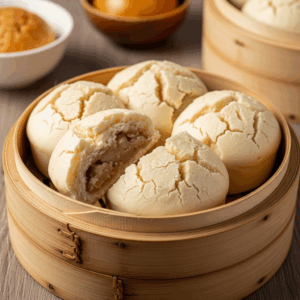
Rising Traditions: The Story Behind Fa Gao, Chinese Prosperity Cake invigorates the spirit with every fluffy, cloud-like bite. This beloved steamed cake, frequently enough seen brightening Chinese New Year and festive celebrations, carries centuries of symbolism and stories nestled deep within its airy rise and vibrant hues. As a culinary emblem of prosperity and good fortune, Fa Gao’s delicate crackled crust and naturally sweet aroma invite not only the senses but also the hopes of abundance for the year ahead.
prep and Cook Time
- Preparation: 15 minutes
- Steaming: 20 minutes
- Total Time: 35 minutes
Yield
4 to 6 individual cakes (depending on mold size)
Difficulty Level
Medium - requires careful steaming and batter preparation for the perfect rise
Ingredients
- 2 cups rice flour (preferably finely ground)
- 1 cup all-purpose flour, sifted
- 1 ⅓ cups granulated sugar (white or rock sugar, crushed)
- 2 teaspoons baking powder (for leavening and rise)
- 1 ¼ cups warm water (around 40°C/104°F)
- ½ teaspoon active dry yeast (optional, to boost fermentation)
- Natural food coloring: red beet juice, matcha powder, or butterfly pea flower extract (optional for vibrant tiers)
- Oil or banana leaves: to grease the molds lightly
The Art of Rising: Traditional ingredients and Preparation Techniques
Authentic Fa Gao owes its rise to a delicate fermentation process mixing rice flour, yeast, and baking powder - a balance of traditional and chemical leaveners that create the distinctive cracked surface symbolizing growth and breakthroughs. The batter, slightly sweet and fluid, must rest to encourage yeast activation, which develops subtle tang and precious air pockets. Steaming, not baking, preserves the moist, tender crumb, while the heat encourages the top to burst dramatically, a hallmark of good luck and prosperity.
Instructions
- Prep the yeast: In a small bowl, dissolve the active dry yeast in warm water. Let it bloom for 5-10 minutes until frothy.
- Mix dry ingredients: In a large bowl, combine rice flour, sifted all-purpose flour, sugar, and baking powder. Whisk gently to distribute.
- Combine wet and dry: Slowly pour the yeast-water mixture into the dry ingredients, stirring with a spatula or whisk until a smooth, slightly thick batter forms.
- Ferment: Cover the bowl with a clean kitchen towel and leave it in a warm place for at least 1 hour. The batter should show bubbles and rise slightly.
- Prepare molds: Lightly grease traditional Fa Gao molds or cupcake tins with oil or line them with thin banana leaves for subtle fragrance.
- Add color (optional): Divide batter into separate bowls and stir in natural coloring agents for vibrant layers inspired by festive symbolism.
- Fill molds: Pour batter into molds, about ¾ full to allow space for rising.
- Steam: Bring a large steamer to a roaring boil. Arrange molds inside but ensure the water does not touch the cakes. Steam with the lid covered tightly for 20 minutes. Avoid opening the lid early to preserve the moisture and rise.
- Check doneness: The cakes should crack on top and feel springy to the touch. Insert a toothpick to confirm it comes out clean.
- Cool and unmold carefully: Let the Fa Gao cool for 5 minutes before gently removing from molds. Serve warm or at room temperature.
Symbolism Woven into Fa Gao’s fluffy Crust and Vibrant Colors
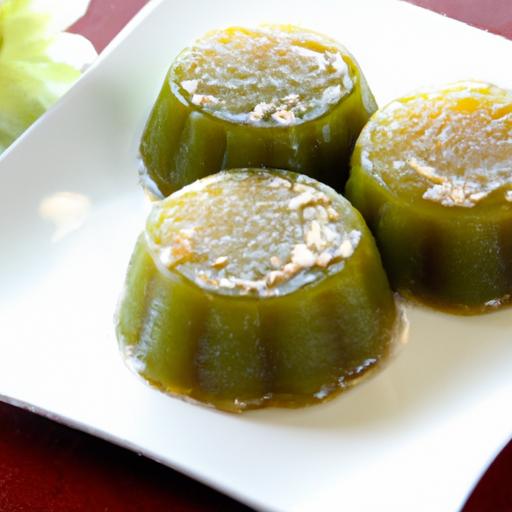
its burst crust, frequently enough referred to as the ”smiling mouth,” is no mere accident-it represents breakthrough, success, and the passage to new opportunities. The splits top visually narrate the idea of “growth” and “rising above.” Traditionally, red or pink hues herald luck and joy, while green reflects harmony, and purple signifies nobility. This chromatic storytelling not only delights the eye but enriches the ceremonial essence of every celebration.
Tips for Perfecting Homemade Fa Gao to Invite Prosperity and Good Fortune
- Use fresh rice flour: This ensures a finer texture and prevents heaviness in the cake.
- Keep water temperature consistent: Lukewarm water activates yeast perfectly without killing it.
- Do not over-mix: Gently combine ingredients to preserve air bubbles critical for rising.
- Wrap the steamer lid with a cloth: Prevents water droplets from dropping onto the batter, preserving surface texture.
- Experiment with molds: While traditional flower-shaped molds are classic, muffin tins or silicone molds work well for everyday baking.
- Make ahead: Batter can be refrigerated overnight; allow to come to room temperature before steaming.
Serving Suggestions
Present Fa Gao on a vibrant platter lined with banana or lotus leaves to echo its natural origins. Garnish with edible flowers such as chrysanthemum petals or a sprinkling of sesame seeds for added texture and elegance. This prosperity cake pairs wonderfully with jasmine or Pu-erh tea, balancing sweetness with earthy aromas for a harmonious celebration treat.

| Nutrient | Per serving (1 cake) |
|---|---|
| Calories | 180 kcal |
| Protein | 3 g |
| carbohydrates | 38 g |
| Fat | 0.5 g |
For further exploration into Chinese celebratory baking, see our detailed guide to Steamed Cakes in Chinese Cuisine. For a deeper dive into the cultural meanings behind food traditions globally, visit Britannica’s entry on Fa Gao.
Q&A
Q&A: Rising Traditions – The Story Behind Fa Gao, Chinese Prosperity Cake
Q1: What exactly is Fa Gao, and why is it called the “Prosperity Cake”?
Fa Gao (发糕), literally meaning “prosperity cake,” is a traditional Chinese steamed rice cake known for its distinctive “cracked” top that resembles a blossoming flower. The name “Fa” (发) in Mandarin means “to rise” or “to prosper,” symbolizing growth, wealth, and good fortune. Eating Fa Gao during festivals or celebrations is believed to invite prosperity and success in the coming year.
Q2: Where did Fa Gao originate, and how far back does its history go?
Fa Gao’s roots can be traced back over a thousand years to ancient China, notably flourishing during the Tang and Song dynasties. Its simplicity and auspicious meaning made it a staple offering during religious ceremonies and traditional festivals, especially the Lunar New Year. Though found across various Chinese ethnic groups, it remains a culinary emblem of unity and hope for the future.
Q3: what ingredients and techniques make Fa Gao unique?
Traditionally, Fa Gao is made from rice flour or a mix of rice and regular flour, combined with sugar and water. The magic lies in the fermentation or leavening process, which causes the batter to rise and crack spectacularly when steamed. This “blossoming” crack is not just visually pleasing but also represents the bursting forth of fortune and joy, making each cake a symbol of rising luck.
Q4: Why is the shape of Fa Gao’s cracked top so crucial?
The cracked top of Fa Gao is more than an aesthetic feature-it’s a metaphorical flourish. The way the cake splits open signifies success breaking through barriers or fortunes blossoming anew. In Chinese culture, the number of cracks can also carry meaning, often associated with positive omens like wealth, health, and happiness. A well-risen Fa Gao with defined cracks is considered especially auspicious.
Q5: During which occasions is Fa Gao traditionally enjoyed?
Fa Gao is most commonly enjoyed during Chinese New Year celebrations, weddings, ancestral worship ceremonies, and other festivals. Its role is to encourage prosperity and positive change. In some regions, it’s also offered to gods and ancestors as a prayer for abundance and protection. Because of its symbolic “rising,” it is particularly favored when embarking on new ventures or seasons.
Q6: Are there regional variations of Fa Gao across China?
Absolutely. While the core concept remains the same, variations appear in ingredients, colors, and flavors. In southern China, Fa Gao might be tinted with natural colors like green from Pandan leaves or red from beetroot juice. Some versions incorporate sweet fillings or use different flours such as glutinous rice for a chewier texture. Each variation carries the essence of prosperity but adds a local flavor to the tradition.
Q7: how has Fa Gao adapted to modern culinary trends?
In recent years, Fa Gao has experienced a renaissance among chefs and home cooks who experiment with fusion flavors-think matcha, chocolate, or even cheese-infused versions-while respecting the cake’s rising tradition.Its symbolic value remains intact even as it appeals to younger generations and global audiences who appreciate its delightful texture and rich heritage.
Q8: What can Fa Gao teach us about Chinese culture and values?
Fa Gao encapsulates the harmony of food, symbolism, and community in Chinese culture. It teaches the importance of hope, renewal, and shared blessings. Beyond being a tasty treat, it’s a tangible expression of optimism, reminding us that prosperity, like a well-steamed cake, frequently enough requires patience, care, and the right conditions to rise. It’s a rising tradition that binds generations in the pursuit of flourishing together.
This Q&A shines a light on the humble Fa Gao as a culinary symbol rich with history, cultural meaning, and timeless optimism-a true rising star in Chinese festive tradition.
To Wrap It Up
As the fragrant aroma of Fa Gao continues to rise from kitchens across the globe, this humble yet symbolic cake remains a delicious testament to the enduring spirit of prosperity and renewal in Chinese culture. More than just a treat, Fa Gao carries centuries of tradition-its sweet, billowing folds a silent but joyful prayer for growth, success, and good fortune. Whether enjoyed during festive celebrations or as a daily reminder of hope, the story of Fa Gao invites us all to savor not only its flavor but the rich heritage it embodies-a rising tradition that continues to inspire and connect generations, one happy bite at a time.