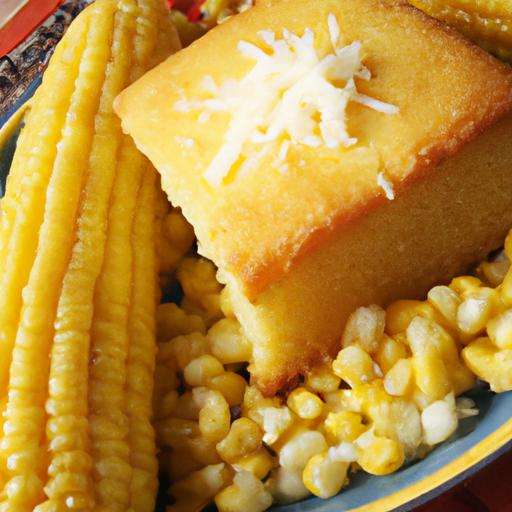

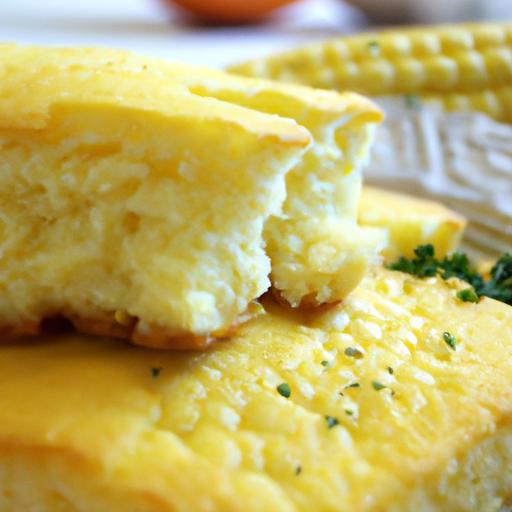
Cornbread’s comforting warmth is more than a side—it’s a golden thread connecting history, culture, and home. From ancient roots to modern twists, each crumbly, buttery bite tells a story of resilience and timeless comfort. Cornbread reigns supreme in comfort foods, inviting everyone to share its simple, enduring magic.
Golden Comfort starts in the heart of American culinary history, a dish that has nourished generations. Born from Native American techniques and embraced in Southern kitchens, cornbread’s simple ingredients create golden, crumbly bliss—a perfect blend of rustic charm and comforting versatility.
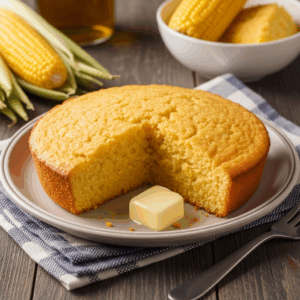
Prep and Cook Time
- Preparation: 10 minutes
- Cooking: 25 minutes
- Total: 35 minutes
Yield
Serves 8 generous squares
Difficulty Level
Easy – Perfect for beginners and home cooks alike
ingredients
- 1 cup yellow cornmeal, medium grind
- 1 cup all-purpose flour, sifted
- 1/4 cup granulated sugar (adjustable to taste)
- 1 tbsp baking powder, fresh for rise
- 1/2 tsp fine sea salt
- 1 cup buttermilk, room temperature
- 2 large eggs
- 1/4 cup unsalted butter, melted + extra for skillet
Instructions
- Preheat your oven to 425°F (220°C). Place a 9-inch cast iron skillet or ovenproof pan inside to warm while you prepare.
- Combine the cornmeal, sifted flour, sugar, baking powder, and salt in a large bowl. Whisk thoroughly to aerate and evenly distribute the leavening.
- in a separate bowl, beat the eggs gently then mix in the buttermilk and melted butter until just combined.
- Slowly pour the wet mixture into the dry ingredients, folding gently with a spatula. Avoid overmixing – the batter should be smooth with some slight grainy texture from the cornmeal.
- Carefully remove the hot skillet from the oven. Add a small knob of butter to the skillet, swirling to coat the bottom and sides evenly, creating a buttery base that promotes that coveted golden crust.
- Pour the batter into the hot skillet. Smooth the top quickly but gently to ensure even cooking.
- Bake for 20-25 minutes, until the crust is a deep golden color and a toothpick inserted in the center comes out clean.
- Allow to cool 5 minutes before slicing. Serve warm for the best molten crumb experience.
Chef’s Notes: Tips for Success
- Choose your cornmeal wisely. A medium grind delivers the ideal texture, lending a satisfyingly coarse crumb without grit.
- Buttermilk is key - it reacts with baking powder for lift and adds a subtly tangy richness that brightens the flavor.
- For extra moisture, swap half the butter with mild flavored oil. Coconut oil or avocado oil add unique notes and keep the crumb tender.
- Don’t overmix the batter. A few lumps are fine – overworking develops gluten and results in heaviness.
- Cast iron is your best friend. It evenly distributes heat and crisps up the crust to golden perfection.
- Make ahead: Leftovers store beautifully. Reheat gently in a low oven or toaster for crispness.
Innovative Twists on Cornbread to Elevate Your Table
Experimenting with Golden Comfort means unlocking endless possibilities. stir in diced jalapeños and sharp cheddar for a spicy kick or swirl in a tablespoon of honey for subtle sweetness. For a modern twist, try adding whole corn kernels for textural contrast or substituting a portion of the flour with ground almonds for a nutty depth. Incorporate fresh herbs like rosemary or thyme to complement hearty stews and roasts. Each variation elevates this classic beyond its familiar roots, turning any meal into a memorable gathering.
Serving Suggestions: Perfect Pairings for Every Occasion
This golden treasure embraces both old and new Southern dishes with pride. Serve it alongside smoky pulled pork or tangy collard greens for a conventional feast. For contemporary flair, pair with spicy black bean chili or creamy butternut squash soup. Top with a pat of whipped honey butter and sprinkle finely chopped chives or scallions for color and freshness. A drizzle of maple syrup or tangy hot sauce offers additional layers of flavor that make every bite sing.
| Nutritional Information (per serving) | Calories | Protein | Carbs | Fat |
|---|---|---|---|---|
| Cornbread (1 slice) | 210 kcal | 5 g | 30 g | 7 g |

Discover more about Southern classics and comforting dishes by exploring our Southern Classics Guide. For authentic history and further reading on cornbread’s roots, visit Smithsonian Magazine’s article on Cornbread History.
Q&A
Q&A: Golden Comfort – The Story and Secrets of cornbread
Q1: What is the origin of cornbread?
A1: Cornbread’s roots stretch deep into the soil of early America, where Native American tribes first ground corn into meal and baked it over open fires. This humble staple was embraced by settlers and transformed into countless regional variations, making it a symbol of sustenance, community, and comfort through centuries.
Q2: Why is cornbread frequently enough called “golden comfort”?
A2: the term “golden comfort” captures cornbread’s warm, inviting hue and its role as a culinary embrace. Its golden crust and crumb speak to the nourishment and nostalgia it provides-a simple dish that transforms any table into a haven of homey goodness.
Q3: What makes cornbread different from other types of bread?
A3: Unlike wheat breads, cornbread shines through its use of ground cornmeal, which lends a gritty texture and distinctive sweetness. It’s typically unleavened or lightly leavened, giving it a dense yet tender crumb. This unique base makes it the perfect partner for savory stews, smoky barbecues, or just a slather of honey and butter.
Q4: What are the “secrets” to making the perfect cornbread?
A4: The secrets lie in balance and technique. Using a coarse stone-ground cornmeal adds depth of flavor and texture. Buttermilk or sour cream can introduce tang and moisture, while eggs provide structure and richness. Cooking in a preheated cast-iron skillet creates that coveted crispy crust. Above all, patience and respect for each ingredient turn golden batter into golden comfort.
Q5: What are some regional twists on cornbread?
A5: From the crumbly, slightly sweet Southern cornbread to the denser Northern varieties that frequently enough include wheat flour and sugar, cornbread is as diverse as America itself. In the Southwest, spicy jalapeños or corn kernels add a kick; in Appalachia, sorghum molasses can sweeten the mix; and throughout the South, a dollop of honey or a sprinkle of cheese offers personalized warmth.
Q6: how does cornbread connect to culture and tradition?
A6: Cornbread transcends the plate-it’s a marker of heritage, memories, and communal bonds. At family gatherings, church suppers, and holiday feasts, it carries stories from generation to generation. Its simplicity invites creativity, while its history grounds us in a shared experience of resilience and comfort.
Q7: Can cornbread be part of a modern, healthy diet?
A7: Absolutely! Cornmeal is gluten-free and rich in fiber and essential nutrients. By tweaking ingredients-like using whole grain cornmeal, reducing sugar, or incorporating healthy fats-cornbread can nourish both body and soul. It’s comfort food that can evolve with mindful eating trends without losing its heart.
Q8: What’s the best way to enjoy cornbread?
A8: Enjoy it hot, straight from the skillet with a pat of melting butter, or cooled as a base for hearty chilis and soups. Drizzle with honey for sweetness or pair with savory dishes like fried chicken or collard greens. Ultimately, the best way is the one that warms your heart and elevates your meal-a true golden comfort.
In Summary
Cornbread’s comforting warmth is more than a side—it’s a golden thread connecting history, culture, and home. From ancient roots to modern twists, each crumbly, buttery bite tells a story of resilience and timeless comfort. Cornbread reigns supreme in comfort foods, inviting everyone to share its simple, enduring magic.