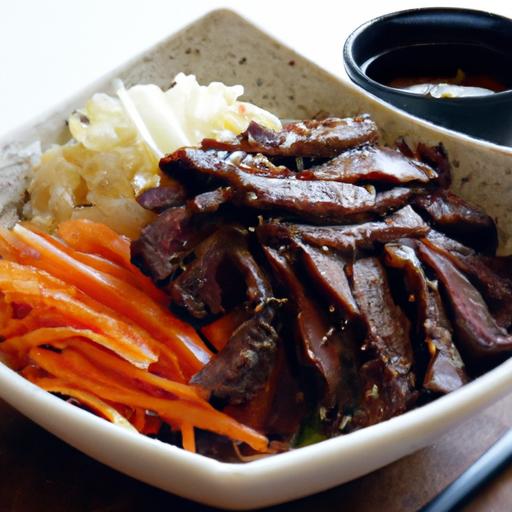

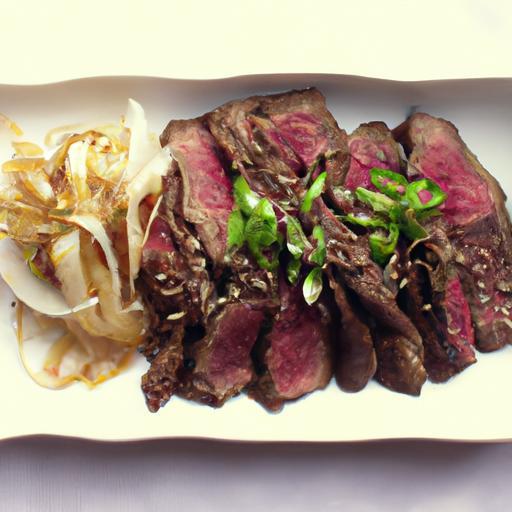
There’s a captivating magic in the sizzle of marinated beef hitting a hot pan, the fragrant swirl of sesame and garlic filling the air, and the vibrant colors of fresh vegetables coming together in a single bowl. Korean beef bowls, with their harmonious blend of sweet, savory, and umami flavors, have captured the hearts and taste buds of food lovers worldwide. But why settle for ordering out when you can bring this appetizing experience into your own kitchen? In this guide, we’ll dive into the art of crafting authentic Korean beef bowls at home – unlocking tips, tricks, and flavor secrets that turn simple ingredients into a satisfying, soul-warming meal. Ready to savor every bite? Let’s get cooking!
Savor the flavor of Korean beef bowls starts with selecting the best meat to ensure each bite is tender, juicy, and packed with authentic taste. Choosing the right cuts is crucial to mastering the marinade and unlocking the rich, savory notes that make this dish a beloved classic both at home and in restaurants worldwide.
Prep and Cook Time
- Preparation: 20 minutes
- Marinating Time: 2 hours (or overnight for optimal flavor)
- Cooking time: 10-12 minutes
Yield
- Serves 4 hearty bowls
Difficulty Level
- Medium: Requires marinating and attention to cooking time for perfect texture
Ingredients
- 1 lb (450g) thinly sliced beef ribeye or sirloin (well-marbled for tenderness)
- 1/4 cup soy sauce (preferably Korean ganjang for depth)
- 2 tbsp brown sugar (for balanced sweetness)
- 1 tbsp toasted sesame oil
- 3 garlic cloves, minced
- 1 small onion, finely grated
- 2 green onions, sliced
- 1 tsp freshly ground black pepper
- 1 tsp grated ginger (optional but recommended for authenticity)
- 1 tbsp mirin or rice wine
- 1 tsp toasted sesame seeds, for garnish
- Steamed jasmine or short-grain rice, to serve
- Optional: thin julienned carrots, sautéed spinach, kimchi for toppings
Step-by-Step Instructions
- Prepare the beef: Begin with thinly sliced ribeye or sirloin, ideally cut under 1/4 inch thickness for ultimate tenderness. If buying whole cuts, partially freeze and then slice thinly against the grain.
- Create the marinade: In a medium bowl, whisk soy sauce, brown sugar, toasted sesame oil, garlic, grated onion, mirin, ginger, and black pepper until sugar dissolves entirely.
- Marinate the beef: Add the sliced beef to the marinade, mixing well to coat every piece. Cover and refrigerate for at least 2 hours, or overnight for more intense flavor and tenderness.
- Cook the beef: Heat a large skillet or cast iron pan over medium-high heat. When hot, add the beef and marinade in batches to avoid steaming. Sauté until the edges are caramelized and the meat is just cooked through, about 3-4 minutes per batch. Avoid overcrowding to maintain high heat.
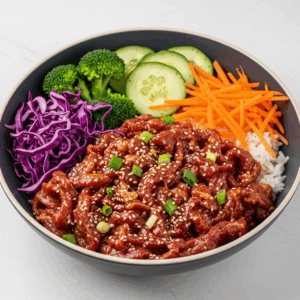
- Assemble the bowls: Spoon steaming hot rice into four bowls. Top with the sizzling beef, sprinkle with sliced green onions and toasted sesame seeds, and add any optional vegetables or kimchi on the side for contrast.
- Final touch: Drizzle a little more toasted sesame oil if desired and serve instantly to enjoy the perfect harmony of savory, sweet, and nutty Korean flavors.
Tips for Success
- Cut selection: for the Savor the Flavor experience, ribeye is ideal as of its marbling, but sirloin or brisket also work well. Avoid lean cuts like round as they tend to be tough.
- Marinating magic: The longer the beef marinates, the more flavorful and tender it becomes. Aim for at least 2 hours, but overnight is best if time allows.
- High heat cooking: Searing on a very hot pan quickly caramelizes the marinade, locking in juices and creating rich, savory edges.
- Ingredient substitutes: If you can’t find Korean soy sauce, use low-sodium soy sauce with a splash of fish sauce for umami depth.
- Make-ahead: Prepare the marinade and beef the day before, then finish the cooking step when ready to serve. This saves time and enhances flavor.
serving Suggestions
- Present each bowl with vibrant garnishes like fresh green onions, toasted sesame seeds, and a drizzle of sesame oil for sheen.
- Add sides like lightly pickled cucumbers, steamed broccoli, or traditional kimchi for refreshing acidity and crunch.
- Offer a soft-boiled egg on top to enrich the texture and add a creamy component that pairs perfectly with the savory beef.
| Nutrient | Per Serving |
|---|---|
| Calories | 420 kcal |
| Protein | 32 g |
| Carbohydrates | 38 g |
| Fat | 15 g |

For those eager to dive deeper into authentic Korean cuisines, explore our Traditional Korean Recipes collection and unlock even more rich flavors. To learn about the nutritional benefits of lean beef, visit this Healthline article on beef nutrition.
Q&A
Q&A: Savor the Flavor – A Guide to Korean Beef Bowls at Home
Q1: What makes Korean beef bowls such a beloved dish?
A1: Korean beef bowls are a harmonious blend of sweet, savory, and spicy flavors all nestled atop a bed of warm rice. The magic lies in the tender, marinated beef that’s often sautéed with garlic, ginger, and a splash of soy sauce, complemented by bursts of sesame oil and a hint of sweetness from brown sugar or honey. It’s comfort food with an exciting culinary twist that’s quick to make and easy to customize.
Q2: How can I recreate authentic Korean flavors without complicated ingredients?
A2: Authentic doesn’t have to mean complicated! Essential pantry staples like soy sauce, garlic, ginger, sesame oil, and a touch of brown sugar are the foundation. For a touch of heat, go for gochujang, the Korean chili paste, which is widely available in grocery stores or Asian markets. if you don’t have gochujang, a pinch of red pepper flakes can stand in. Fresh green onions and toasted sesame seeds add that final authentic flourish.
Q3: What cut of beef works best for Korean beef bowls?
A3: Thinly sliced ribeye or sirloin is ideal because it cooks quickly and stays tender. If thin slices aren’t available, opt for flank steak or skirt steak and slice it yourself as thinly as possible against the grain. Ground beef can also work in a pinch for a more budget-friendly and quick option, though the texture will differ slightly.
Q4: Can Korean beef bowls be made vegetarian or vegan?
A4: Absolutely! Swap beef for firm tofu, tempeh, or even seasoned mushrooms like shiitake or portobello to mimic that umami richness. Use soy sauce or tamari with a little maple syrup or brown sugar to create the marinade, and add crushed red pepper for heat. Finish with fresh veggies and perhaps a fried vegan egg substitute for richness.
Q5: what sides and toppings complement the Korean beef bowl at home?
A5: The beauty of Korean beef bowls is their versatility! Classic toppings include sliced scallions, toasted sesame seeds, and a fried egg. Add quick-pickled cucumbers, kimchi for a spicy tang, or steamed veggies like broccoli and carrots for crunch and color. A drizzle of sriracha or extra gochujang can dial up the heat to your liking.
Q6: How do I balance the flavors so the bowl isn’t too salty or sweet?
A6: Taste as you go! Start with modest amounts of soy sauce and sugar, then adjust. The interplay between salty, sweet, and spicy flavors should feel balanced-not overwhelming. Adding a splash of rice vinegar or a squeeze of lime can brighten the bowl and cut through any heaviness, providing a refreshing contrast.
Q7: Can I prepare Korean beef bowls ahead of time for meal prep?
A7: Yes! Marinate the beef and cook it right before serving for the freshest flavor. Though, the cooked beef can be refrigerated and reheated quickly, making it an excellent meal prep option. Keep rice and toppings separate until serving for the best texture and taste.
Q8: Any tips for cooking the perfect bowl at home?
A8: High heat and quick cooking are your best friends-sear the beef fast to keep it tender and juicy. Don’t overcrowd the pan; cook in batches if needed. Use freshly cooked, fluffy rice as your canvas and build layers of flavor with your marinade, toppings, and sides. don’t be afraid to experiment-a squeeze of lime, a sprinkle of fresh cilantro, or a dash of crushed peanuts can take your bowl to new heights!
Enjoy your culinary adventure-one delicious Korean beef bowl at a time!
In Conclusion
As the savory aromas of marinated beef and sizzling garlic waft from your kitchen, you’ll realize that crafting Korean beef bowls at home is more than just a meal-it’s an experience. With each bite, you not only savor rich, bold flavors but also connect to a vibrant culinary tradition that celebrates simplicity and depth. Whether you’re revisiting a beloved dish or discovering it for the first time, this guide equips you to bring a taste of Korea right to your table. So gather your ingredients, fire up your stove, and let the magic of Korean beef bowls transform your everyday dining into an unforgettable flavor journey.