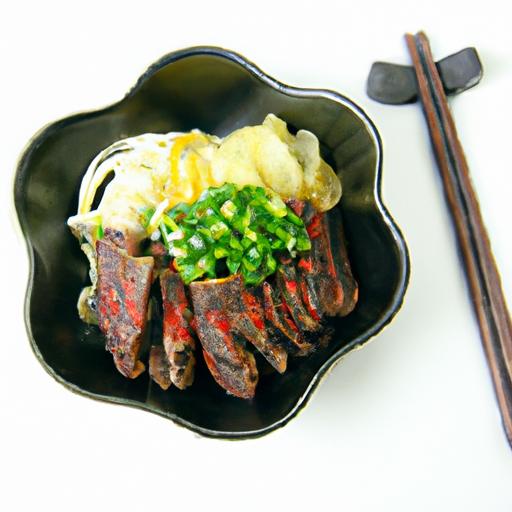


Korean Beef Bowls bring bold flavors, tender textures, and comforting warmth in every bite. This guide unlocks the secrets to the perfect marinade, ideal rice base, and flavor balance, making each meal a delicious celebration of Korea’s rich culinary heritage.
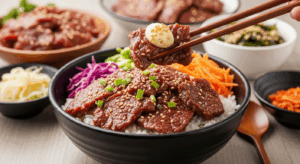
Savor the Flavor: A Guide to Authentic Korean Beef Bowls
Savor the flavor of Korean beef bowls, a dish that perfectly balances rich history with vibrant conventional tastes. Originating from Korea’s time-honored culinary heritage, this bowl brings together tender, marinated beef infused with bold notes of garlic, soy, and sesame oil, served atop steaming white rice. My first encounter with this dish was at a bustling Seoul market, where the smoky aroma of grilling beef mingled with bright, fermented kimchi-the memory of which still inspires this recipe today.
Prep and Cook time
- Preparation: 20 minutes
- Marinating Time: 1 hour (can be overnight for deeper flavor)
- Cooking Time: 10 minutes
Yield
Serves 4 hearty portions
Difficulty Level
Easy to Medium – Accessible for home cooks eager to explore Korean flavors
Ingredients
- 1 pound thinly sliced beef ribeye or sirloin
- 1/4 cup soy sauce (preferably Korean brewed)
- 2 tablespoons brown sugar or honey
- 2 tablespoons toasted sesame oil
- 3 cloves garlic, minced
- 1 small Asian pear, grated (adds natural sweetness and tenderizes)
- 1 teaspoon freshly ground black pepper
- 2 green onions, thinly sliced
- 1 teaspoon grated ginger
- 1 tablespoon toasted sesame seeds, for garnish
- 4 cups steamed short-grain white rice
- Optional: kimchi or pickled vegetables for serving
Instructions
- Prepare the marinade: In a medium bowl, whisk together soy sauce, brown sugar, toasted sesame oil, minced garlic, grated Asian pear, black pepper, and grated ginger until the sugar dissolves.
- Marinate the beef: Add the thinly sliced beef into the marinade, ensuring each piece is fully coated. Cover and refrigerate for at least 1 hour to allow rich flavors to develop. For best results, marinate overnight.
- Cook the rice: While marinating, cook the white rice according to package instructions until tender and fluffy.
- Sear the beef: Heat a large skillet or cast-iron pan over medium-high heat. Add the marinated beef slices in a single layer, working in batches if needed. Sauté for 2-3 minutes per side, until the beef is caramelized and just cooked thru. avoid overcrowding to get a nice sear.
- Combine and finish: Add the sliced green onions to the skillet during the last minute of cooking for a fresh, vibrant touch. Toss gently.
- Assemble the bowls: Divide the steamed rice among bowls. Top generously with the cooked beef and onions.
- Garnish and serve: Sprinkle with toasted sesame seeds and serve immediately alongside kimchi or your favorite pickled vegetables for a meal bursting with authentic Korean tastes.
Tips for Success
- For the most authentic flavor, use Korean soy sauce (Ganjang) known for its deep umami profile.
- Grating Asian pear into the marinade not only sweetens but tenderizes beef naturally-substitute with grated apple if unavailable.
- Thin slicing the beef yourself allows for optimal texture; freeze the meat for 20 minutes beforehand for easier slicing.
- Marinate beef overnight if time permits-the deeper the marination, the richer the flavor.
- Use a hot pan and avoid stirring too frequently to develop a caramelized crust rather than steaming the meat.
- Make-ahead option: Marinate beef up to 24 hours in advance and keep chilled until ready to cook.
Serving suggestions to Elevate Your Korean Beef Bowl Experience
Present this dish with a vibrant side of kimchi, offering crisp, spicy contrasts that cut through the beef’s richness. Freshly sliced cucumbers or lightly sautéed spinach add balance and color. Drizzle a little extra toasted sesame oil or sprinkle chopped scallions for a bright finish. For a complete dining experience, pair with a chilled glass of Korean barley tea or a lightly carbonated rice drink.

| Nutrient | Per Serving |
|---|---|
| Calories | 420 kcal |
| Protein | 35 g |
| Carbohydrates | 45 g |
| Fat | 12 g |
To explore more traditional Korean recipes, check out our in-depth guide to Korean side dishes. For authentic ingredients and cultural background, visit Maangchi’s Korean cooking site-an authoritative resource for Korean cuisine enthusiasts.
Q&A
Q&A: Savor the Flavor – A Guide to Authentic Korean Beef Bowls
Q1: What exactly is a Korean beef bowl?
A Korean beef bowl is a vibrant, flavorful dish that combines tender marinated beef, usually bulgogi or similar preparations, served over a steaming bed of rice. It’s a harmonious blend of savory, sweet, and umami flavors, frequently enough garnished with fresh vegetables, kimchi, and a drizzle of spicy or tangy sauces. Think of it as Korea’s answer to the globally beloved rice bowl, with its own bold personality.
Q2: How is authentic korean beef different from other beef bowl variations?
Authenticity lies in the marinade and the balance of flavors. Korean beef is typically marinated in a mixture that includes soy sauce, garlic, sugar or honey, sesame oil, and sometimes fruit like pear or apple to tenderize. This creates a nuanced taste profile-deeply savory with hints of sweetness and nuttiness-that sets it apart from plain grilled or stir-fried beef bowls found elsewhere.
Q3: What cuts of beef are traditionally used in Korean beef bowls?
Thinly sliced ribeye or sirloin are the go-to cuts. These tender slices absorb the marinade beautifully and cook quickly, allowing for a juicy, melt-in-your-mouth texture. Some home cooks also use brisket or chuck, but the key is thin slicing to maximize flavor infusion and texture.
Q4: Can Korean beef bowls be made at home without specialty ingredients?
Absolutely! While ingredients like Korean pear or gochujang (Korean chili paste) elevate the dish, many home cooks substitute with readily available items like apple slices or mild chili sauces. The essential components are soy sauce, garlic, sesame oil, and a touch of sweetness. The magic is in the marinade and the care taken while cooking.
Q5: What side dishes traditionally accompany a Korean beef bowl?
Korean meals are all about balance, so expect a spread of banchan-small side dishes like spicy kimchi, pickled radish, seasoned spinach, and steamed eggs. These sides contrast the rich beef with fresh, tangy, and crunchy textures, creating a fuller, more vibrant meal experience.
Q6: How can beginners master the perfect balance of flavors in their Korean beef bowls?
Start with a well-balanced marinade: equal parts soy sauce and sweetness (honey or sugar), a generous amount of minced garlic, a splash of sesame oil, and a hint of fruit for tenderness. Marinate the beef for at least 30 minutes (longer if possible). When cooking, use high heat for just a few minutes to sear the meat without drying it out. Taste as you go and adjust-more sweetness, heat, or acid-to suit your preference.
Q7: What makes Korean beef bowls a beloved comfort food?
It’s the combination of warmth, texture, and bold flavors. The juicy beef soaked in a rich marinade, paired with fluffy rice and crispy, tangy sides, hits all the right notes-comforting yet exciting. It’s a dish that invites you to slow down, savor each bite, and appreciate the art of simple ingredients elevated through tradition.
Q8: Any tips for adding a modern twist to an authentic Korean beef bowl?
Consider topping your bowl with a soft-poached egg for a silky finish, or add some sautéed mushrooms for earthiness. experiment with kimchi varieties-from mild to fiery-to complement the beef. For a fresh crunch, finish with sliced scallions or toasted sesame seeds. The beauty of the Korean beef bowl is its versatility-it can honor tradition while embracing creativity.
dive in, savor the symphony of flavors, and let each bite transport you to the bustling streets of Seoul-one authentic Korean beef bowl at a time!
Future Outlook
An authentic Korean beef bowl is more than a meal—it’s a rich blend of flavors, history, and culture. This guide helps you recreate Korea’s culinary soul at home, using traditional techniques and fresh ingredients. Savor every bite and let your Korean beef bowl tell a story worth sharing.