
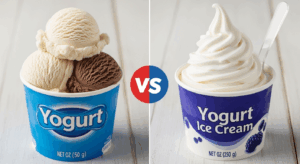
Yogurt versus Ice Cream differ mainly in fat content and probiotics. Ice cream is richer in fat due to its cream base, creating a creamy texture, while frozen yogurt uses cultured milk with potential probiotic benefits and tends to be lower in fat. However, some frozen yogurts compensate for tanginess by adding sugar, so reading labels is important. Understanding the Yogurt versus Ice Cream differences can help you make an informed choice that balances taste preferences with nutritional goals.
In the Yogurt versus Ice Cream debate, frozen yogurt is made from cultured milk and may contain probiotics, offering potential gut health benefits, while ice cream is cream-based, richer in fat, and has a creamier texture. Although frozen yogurt tends to have less fat, it can have as much or more sugar to balance its tanginess, so label reading is important. Both provide calcium and protein, but moderation is key in enjoying these frozen treats while balancing taste with nutrition.
Prep and Cook Time
preparation: 10 minutes
Churning/Freezing: 30 minutes to 2 hours (depending on method)
Yield
4 servings
Difficulty Level
Medium
Ingredients
- 2 cups whole milk (for ice cream base) or 2 cups plain Greek yogurt (for frozen yogurt version)
- 3/4 cup granulated sugar
- 1 cup heavy cream (for ice cream)
- 1 tablespoon pure vanilla extract
- Pinch of sea salt
- Optional toppings: fresh berries, dark chocolate shavings, chopped nuts, or honey drizzle
Instructions
- Prepare the base: For ice cream, combine whole milk, heavy cream, sugar, and sea salt in a saucepan. Heat gently over medium heat until sugar dissolves (about 5 minutes). Remove from heat and stir in vanilla extract. Chill in refrigerator for at least 2 hours.
- Frozen yogurt base: For frozen yogurt, whisk Greek yogurt, sugar, vanilla, and a pinch of salt until smooth. Add a tablespoon of milk if the mixture feels too thick.
- Churn your dessert: Pour the chilled base into your ice cream maker. Churn according to the manufacturer’s instructions, typically 20-30 minutes, until it reaches a soft-serve consistency.
- Freeze to firm up: Transfer the churned mixture to an airtight container. Freeze for 1-2 hours to deepen the texture.
- Serve and enjoy: Scoop into bowls or cones. Add your favorite toppings for a colorful, textural contrast.
Chef’s Notes
- To create dairy-free versions, swap whole milk and heavy cream for coconut milk and use plant-based yogurt.
- For a tangier frozen yogurt, allow the base to sit refrigerated overnight before churning to enhance flavors.
- If you prefer your ice cream richer, increase the heavy cream to 1 1/2 cups and reduce whole milk accordingly.
- Prevent iciness by churning for the full recommended time and avoid over-freezing.
- This recipe can be doubled or halved easily; just maintain ratios.
Serving suggestions
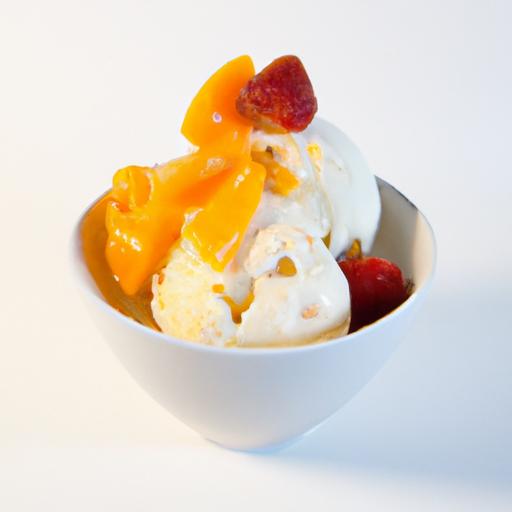
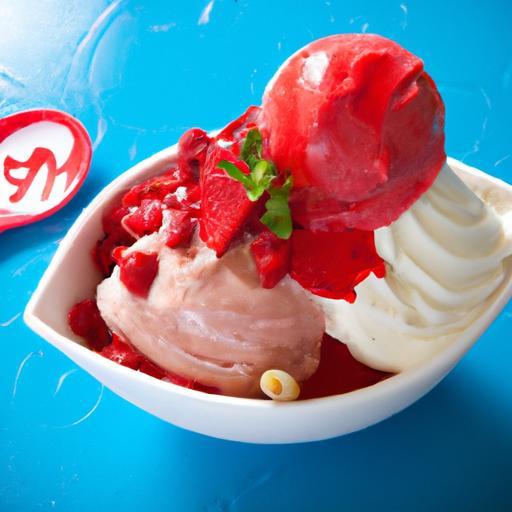
Elevate your frozen treat by serving with fresh seasonal fruit like ripe strawberries or juicy mango. A sprinkle of toasted almonds or a drizzle of warm dark chocolate sauce adds sophistication and balance. For an extra special touch, serve in chilled glass bowls or waffle cones lined with edible gold leaf for dazzling presentation.

| Nutrient | Frozen Yogurt (per 100g) | Ice Cream (per 100g) |
|---|---|---|
| Calories | 120 kcal | 210 kcal |
| Protein | 4g | 3g |
| Carbohydrates | 18g | 24g |
| Fat | 2g | 11g |
Texture and Flavor Profiles That Define Your Frozen Treat Experience
Frozen yogurt offers a smooth, tangy bite owing to its live cultures and lower fat content. Its refreshing acidity brightens the palate, making it an ideal dessert after a heavy meal. ice cream, by contrast, is luxuriously creamy and richer, the high butterfat content delivering that velvety mouthfeel and deep vanilla or chocolate undertones. Both shine when crafted with quality ingredients, but your choice depends on whether you crave silky indulgence or crisp tartness.
The Science Behind Ingredient Choices and Their Impact on Health
The essential difference in Yogurt versus Ice Cream lies in fat and probiotic content. Ice cream’s rich butterfat creates a dense, creamy texture but adds calories and saturated fat, while frozen yogurt uses cultured milk with beneficial probiotics and tends to be lighter. However, some frozen yogurts add sugars or fats to mimic ice cream’s richness — reading labels is important. In the Yogurt versus Ice Cream debate, understanding these differences helps you balance taste and nutrition. Ultimately, Yogurt versus Ice Cream offers distinct flavors and health benefits, inviting you to choose the treat that best fits your cravings and wellness goals.
Choosing the Perfect Dessert Based on Your Dietary goals and Preferences
Whether you aim to reduce calories, enhance protein intake, or indulge in creamy luxury, understanding this balance shapes your dessert decisions. Opt for frozen yogurt if you seek a probiotic boost and lighter texture. if decadence and richness are your priorities, ice cream is your go-to. for fusion lovers, try mixing the two-layer frozen yogurt with drizzles of chocolate fudge or cookie crumbles to harmonize tang and creaminess in every bite.
For more insights on healthy dessert swaps and frozen treat recipes, explore our Healthy Desserts Collection. Also, visit the American Nutrition Association for expert advice on dairy and probiotic health benefits.
Q&A
Q&A: Frozen Yogurt versus Ice Cream – The Cool Clash Explained
Q1: What exactly is the difference between frozen yogurt and ice cream?
A1: At first glance, frozen yogurt and ice cream might look like frosty twins, but their origins and ingredients tell a different story. Frozen yogurt is a tangy, cultured treat made from yogurt and live bacterial cultures, delivering a subtle tartness and often a lighter texture. Ice cream, on the other hand, is a creamy concoction rich in cream and sugar, churned to silky smooth perfection. Think of frozen yogurt as the zesty, health-conscious cousin, while ice cream is the indulgent, velvety classic.
Q2: Which one is healthier – frozen yogurt or ice cream?
A2: The health debate is where the cool clash really heats up. Frozen yogurt generally boasts fewer calories and less fat, thanks to its lower cream content and inclusion of live probiotics that can be good for your gut. But beware – toppings and added sugars can tip the scales! Ice cream, rich in fat and sugar, can pack a heavier nutritional punch, but that same creaminess makes it a satiating treat. So, if health is your game, frozen yogurt frequently enough gets the edge, but moderation is key for both.
Q3: How does the texture differ between these frosty delights?
A3: Texture is where preference swings wildly. ice cream is famously smooth and dense, attributed to higher fat content and air whipped into the mix (called overrun). Frozen yogurt tends to be lighter, tangier, and sometimes a bit icier, with a texture that dances somewhere between sorbet and traditional yogurt. The live cultures in frozen yogurt also lend a subtle creaminess that’s distinct from ice cream’s rich mouthfeel.
Q4: Do frozen yogurt and ice cream taste very different?
A4: Absolutely! Frozen yogurt’s signature tang comes from the live cultures, offering a refreshing tartness that complements sweet flavors brilliantly. ice cream’s flavor profile is cream-forward, silky, and often richer, delivering a luscious, sweet experience. If you like a zingy twist, frozen yogurt is your go-to; if velvety and indulgent is your vibe, ice cream wins the day.
Q5: Can frozen yogurt help with digestion?
A5: Yes! Thanks to the probiotics – those pleasant bacteria strains – frozen yogurt can support gut health and digestion. These live cultures survive freezing, making frozen yogurt a tasty probiotic delivery system. ice cream doesn’t typically contain these cultures, so it doesn’t offer the same digestive benefits.
Q6: What about allergens and dietary considerations?
A6: Both treats usually contain dairy, which is a no-go for the lactose-intolerant or vegan crowd (unless dairy-free or vegan versions are made). Frozen yogurt sometimes uses lower-fat milk, which can be easier on sensitive stomachs, but check for added sugars or stabilizers. Ice cream varies widely-from rich French-style custards to lighter versions-and often contains egg yolks, which frozen yogurt does not.
Q7: Which is better for hot summer days?
A7: The ultimate chill champion depends on your mood. Ice cream’s creaminess provides luxurious relief and more indulgence after a sun-soaked day. Frozen yogurt, with its tangy refreshment and lighter profile, can feel less heavy and more rejuvenating. Both cool you down, but frozen yogurt often wins on refreshment, while ice cream wins on decadence.
Q8: Can you customize frozen yogurt and ice cream the same way?
A8: You sure can! Both are blank canvases for creativity - from fresh fruit and nuts to syrups and candy sprinkles. Frozen yogurt shops commonly offer a self-serve format allowing you to pile on toppings to your heart’s content. Ice cream parlors might surprise with mix-ins, sauces, or handcrafted swirls. Whichever you pick, toppings turn your cool treat into a personal masterpiece.
Q9: Is one more environmentally friendly than the other?
A9: It depends on production methods, but generally, frozen yogurt can have a smaller environmental footprint due to its lower dairy fat content-meaning less cream needed. Though, the differences aren’t vast, and packaging, sourcing, and store practices play bigger roles. Choosing local brands or eco-conscious shops can make any frozen treat greener.
Q10: So, who wins the cool clash - frozen yogurt or ice cream?
A10: The verdict? There’s no one-size-fits-all winner in this frosty rivalry. It’s a delicious dilemma shaped by taste buds, dietary needs, and craving intensity. If you want probiotic perks and tangy lift, frozen yogurt is your champion. For rich, creamy indulgence that feels like a sweet hug, ice cream takes the crown. Why choose? Sometimes, the best answer is simply: both!
In Conclusion
In the Yogurt versus Ice Cream debate, frozen yogurt offers a tangy, refreshing taste with potential probiotic benefits and usually less fat, while ice cream provides a rich, creamy texture with higher fat content. Both treats delight the palate and nourish with calcium and protein, but frozen yogurt may contain more added sugar to balance its tanginess. Understanding the key differences in Yogurt versus Ice Cream helps you enjoy a satisfying frozen dessert that fits both your taste and health goals.