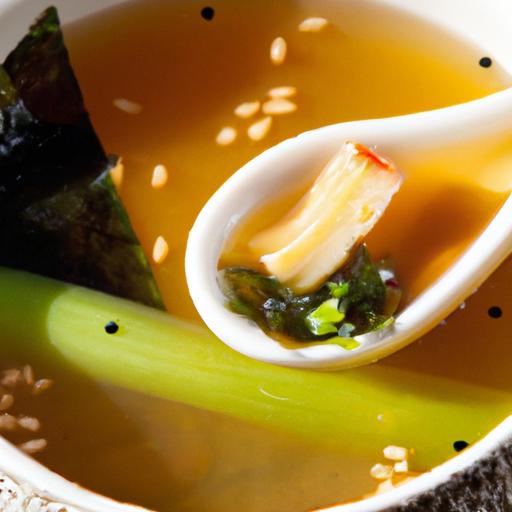

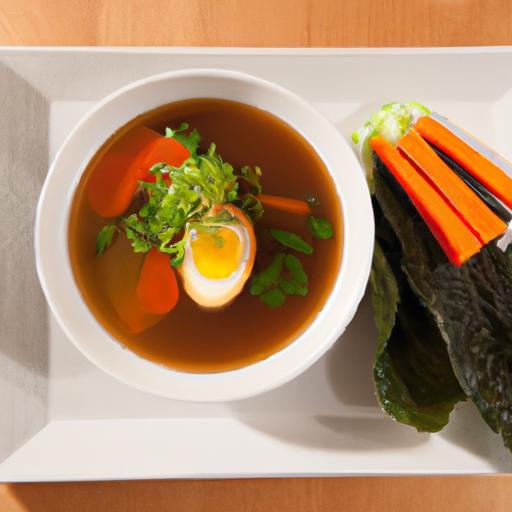
There is a subtle magic in the humble bowl of miso dashi soup-a timeless Japanese classic known for its comforting warmth and umami richness. But what if this beloved broth could surprise your palate in a new, refreshing way? Enter cold miso dashi soup: a cool, invigorating twist that transforms the familiar flavors into a delicate dance of chilled savoriness. This article explores how chilled dashi and miso combine to awaken the senses and refresh the spirit, redefining soup. Whether you’re a foodie or curious cook, prepare to savor a unique blend of tradition and innovation in every spoonful.
prep and Cook Time
Preparation: 15 minutes | Chilling: 1 hour | Total Time: 1 hour 15 minutes
Yield
4 servings
difficulty Level
Easy to Medium – perfect for home cooks looking to elevate their broth game!
Ingredients
- 4 cups filtered water
- 10g dried kombu (kelp)
- 15g bonito flakes (katsuobushi)
- 3 tablespoons white miso paste (preferably shiro miso for its mild flavor)
- 1 teaspoon mirin (optional, for subtle sweetness)
- 1 teaspoon soy sauce (low sodium recommended)
- 1/2 teaspoon freshly grated ginger
- 2 scallions, thinly sliced
- 1/4 cup silken tofu, cubed
- 1 small cucumber, thinly sliced or julienned
- Fresh shiso leaves or microgreens for garnish
Instructions
- Prepare the dashi broth: place the kombu in a pot with 4 cups of filtered water and soak for 30 minutes to an hour. This slow infusion brings out deep umami flavors.
- Heat gently: Slowly warm the kombu-water mixture over medium heat, removing the kombu just before the water reaches a boil (about 60°C or 140°F). This avoids bitterness and preserves subtle flavors.
- Add bonito flakes: Stir in the bonito flakes, simmer for 2 minutes, then turn off the heat and let it steep for another 5 minutes.
- Strain the broth: Carefully strain out the bonito flakes and any solids using a fine sieve or cheesecloth. Let the dashi cool to room temperature, then chill in the refrigerator for at least 30 minutes.
- Mix the miso: In a small bowl, whisk together the white miso paste with 1/2 cup of chilled dashi until smooth. This ensures no lumps and a silky texture in the final soup.
- Combine all ingredients: Gently stir the miso mixture back into the chilled dashi. Add mirin, soy sauce, and freshly grated ginger, adjusting to your taste.
- Assemble the soup: Divide the cold miso dashi soup into serving bowls. Float cubes of silken tofu, cucumber slices, and scallions on top.
- Garnish and serve: add fresh shiso leaves or microgreens for a burst of color and fragrance. Serve immediately for the freshest experience.
Chef’s Notes & Tips for Success
- Ingredient Substitutions: If bonito flakes are unavailable, use dried shiitake mushrooms for a vegetarian dashi choice that offers a rich, earthy depth.
- Miso Varieties: While white miso imparts a delicate sweetness, red or mixed miso can add more intense, smoky notes-perfect for chillier evenings.
- make-Ahead: Prepare your dashi broth a day in advance to allow flavors to fully meld. Keep miso and delicate toppings separate until serving to maintain their texture and brightness.
- Chilling Tips: Avoid freezing miso dashi; chilling in the fridge preserves its velvety mouthfeel and complex aroma.
- Balancing Flavors: Taste before serving and adjust with a dash of soy sauce or a hint of citrus zest for a brighter finish.
Serving Suggestions and Seasonal Variations
Cold miso dashi soup is a canvas for freshness and texture. For summer, add thinly sliced radishes, julienned carrots, or even diced watermelon radish for a pop of color. In cooler months, incorporate blanched snap peas or a sprinkle of toasted sesame seeds for warmth and crunch. A drizzle of chili oil or a few drops of yuzu kosho can awaken the palate with bold spice and citrus nuances.
Serve your soup in clear glass bowls to showcase the translucent, golden broth adorned with vibrant garnishes. Accompany it with light bites like cucumber sunomono or steamed edamame to create a balanced Japanese-inspired meal.
| Nutrient | Per Serving |
|---|---|
| Calories | 65 kcal |
| Protein | 4 g |
| Carbohydrates | 5 g |
| Fat | 2 g |
For more inspiration on traditional broths and Japanese comfort foods, explore our Thorough Guide to Japanese Broths. To deepen your understanding of dashi’s nutritional and cultural importance, the Japanese Government’s official resource offers fascinating insights.

Q&A
Q&A: Chill & Savor – The Delight of Cold Miso Dashi Soup
Q1: What makes cold miso dashi soup different from the traditional hot miso soup?
A1: While traditional miso soup is warm and comforting, cold miso dashi soup offers a refreshing twist that’s perfect for warmer days. The difference lies primarily in the serving temperature and the subtle adjustments in flavor balance. Chilling the soup mellows the saltiness of the miso and highlights the delicate umami of the dashi broth, creating a light yet deeply savory experience that awakens your palate without overwhelming it.
Q2: What are the key ingredients in cold miso dashi soup?
A2: At its heart, cold miso dashi soup features two star players: miso paste and dashi broth. Typically, dashi is crafted from kombu (kelp) and katsuobushi (bonito flakes), imparting a smoky-sweet umami backbone. The miso-white or yellow-adds a creamy, fermented richness. To elevate the experience, fresh garnishes like thinly sliced scallions, grated ginger, or even slivers of cucumber might potentially be added to introduce brightness and texture.
Q3: How do you prepare dashi stock for a cold miso soup?
A3: Preparing dashi for cold soup starts the same as for hot versions, but it’s crucial to strain it well and chill it thoroughly. Begin by soaking kombu in cold water to draw out its subtle flavors, then gently heat the water without boiling. Remove the kombu before adding katsuobushi flakes and steep briefly. After straining, let the broth cool fully in the fridge. This careful process ensures a clear, clean, and umami-rich base that shines when served cold.
Q4: Can cold miso dashi soup be customized for different tastes or diets?
A4: Absolutely! Vegan or vegetarian? Simply use kombu and shiitake mushroom dashi rather of bonito flakes. If you love a bit of spice, add a dash of shichimi togarashi or a touch of grated wasabi. For added texture and nutrition, consider tossing in chilled tofu cubes, wakame seaweed, or even delicate threads of daikon radish. The soup’s versatility makes it a splendid canvas for creativity while maintaining its comforting essence.
Q5: When is the best time to enjoy cold miso dashi soup?
A5: While cold miso dashi soup can be enjoyed any time, it truly shines during spring and summer when the weather calls for lighter, cooling dishes. It serves brilliantly as a starter to a Japanese meal, a palate cleanser between courses, or even a hydrating snack on a hot afternoon. its subtle umami and cooling qualities help you savor flavors without feeling weighed down.
Q6: What are some tips to enhance the experience of drinking cold miso dashi soup?
A6: Presentation matters-serve the soup in elegant, chilled bowls to keep it refreshing. Sippable in small portions, it pairs wonderfully with crisp tempura, chilled sashimi, or a fresh seaweed salad. Try sipping slowly to appreciate the layered umami and delicate sweetness that unfold as the soup warms slightly on your tongue. don’t be afraid to experiment-with a hint of citrus zest or a few drops of sesame oil-to personalize each bowl’s charm.
Chill & savor your way through this understated masterpiece-cold miso dashi soup is a humble bowl of liquid art, inviting you to taste the quiet joy of umami, refreshment, and tradition all at once.
Concluding Remarks
Miso Dashi Soup is the perfect summer companion, blending delicate umami and refreshing flavors to soothe and invigorate. This chilled Japanese classic combines savory miso with subtle dashi depth, offering a light yet nourishing experience. Embrace the chill and savor this elegant, revitalizing soup anytime.