
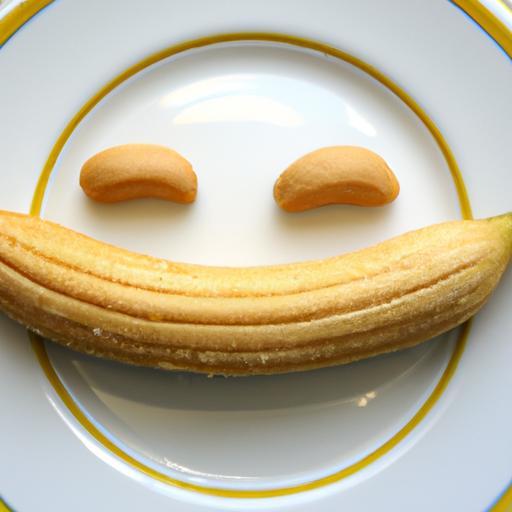
Bananas and peanut butter, beloved kitchen staples, inspire creativity in art. “Creative Art: Drawing Bananas and Peanut Butter Scenes” showcases how artists transform these simple ingredients into whimsical, thought-provoking works. Discover the vibrant intersection of food and art, and see bananas and peanut butter in a new light.
Creative Art: Drawing Bananas and Peanut Butter Scenes invites you into the playful fusion of taste and texture, where the luscious creaminess of peanut butter meets the sunny softness of ripe bananas. This delightful pairing not only ignites the palate but also inspires edible artistry that captures vibrant contrasts and inviting textures in delicious, visual narratives.
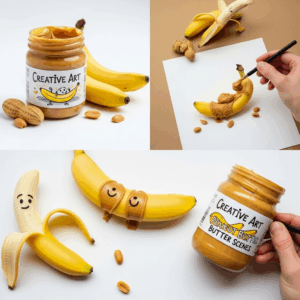
Prep and Cook Time
Planning: 15 minutes | Cook Time: 5 minutes | Total: 20 minutes
Yield
Serves 4 as a snack or light dessert
Difficulty Level
Easy
Ingredients
- 2 large ripe bananas, peeled and sliced diagonally
- 1/2 cup creamy peanut butter (natural preferred, for vibrant texture)
- 1 tablespoon honey or maple syrup (optional, for added gloss)
- 1 teaspoon lemon juice, to prevent browning on bananas
- 1/4 cup crushed roasted peanuts, for contrasting crunch
- Whole wheat or oat crackers, for assembling bite-sized scenes
- Fresh mint leaves, for garnish and pop of green
Instructions
- Prepare the bananas: Toss banana slices gently in lemon juice to keep color shining and fresh.
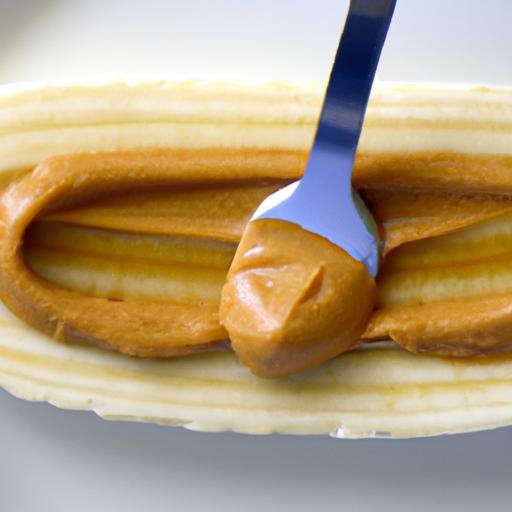
- Mix the peanut butter glaze: In a small bowl, combine creamy peanut butter with honey, stirring until glossy and smooth. This silky texture aids in capturing light reflections for artistic plating.
- Assemble the canvas: On each cracker, spread a thin layer of peanut butter glaze-this will serve as the “paint base” and help banana slices adhere.
- Layer the bananas: Arrange banana slices creatively atop the glaze. Play with shape and spacing to simulate organic patterns reminiscent of brushstrokes or flowing lines.
- Texturize: Sprinkle crushed roasted peanuts over the bananas and peanut butter, emulating the tactile variation found in well-crafted illustrations.
- Bring it alive: Garnish each piece with a fresh mint leaf. The fresh green contrasts beautifully, introducing a hint of vibrancy and storytelling-think of it as adding an unexpected character to your edible scene.
- Serve instantly: Present on a clean, white plate to allow colors and textures to shine.
Techniques for Capturing Texture and Vibrancy
Using creative art: drawing bananas and peanut butter scenes techniques means emphasizing the juxtaposition of smooth peanut butter against the naturally fibrous bananas. Light plays a pivotal role: delicate shine on the peanut butter glaze and matte banana flesh offer visual tension. Experiment with different spreads-chunky peanut butter creates rustic grooves, while creamy varieties offer a silkier finish. Layering elements of contrasting texture (crushed peanuts, fresh herbs) introduces depth, making the edible artwork pop.
Color Theory and Composition Tips
Leverage the complementary palette of golden yellow bananas against the warm brown of peanut butter. Integrating the fresh green of mint not only breaks monotony but also adds vibrancy and life to the scene. Compositionally, use the “rule of thirds” to position your banana slices off-center on the cracker canvas, inviting the eye to wander organically. Negative space around the elements provides balance, emphasizing the mouthwatering texture and rich color.
Incorporating Storytelling Elements
Every piece tells a story-consider the banana slices as gentle waves rolling across a peanut butter shoreline. Mint leaves become fresh foliage, while the crushed peanuts mimic sandy textures. By channeling narrative through edible elements, creative art: drawing bananas and peanut butter scenes transcends simple food styling, becoming an immersive experience inviting viewers to taste the story as much as see it.
Tips for Success
- Use ripe but firm bananas to maintain shape and avoid mushiness.
- opt for natural peanut butter with visible oil separation for a more captivating texture. Stir well before use.
- Keep garnishes minimal to avoid overwhelming the central visual focus.
- If assembling ahead, refrigerate uncovered briefly to preserve texture, but serve at room temperature for best flavor.
- Experiment with adding a sprinkle of cinnamon or chili flakes to the peanut butter glaze for unexpected depth.
Serving Suggestions
Serve these banana and peanut butter “canvases” alongside a light herbal tea or a cold glass of almond milk. For added indulgence, pair with a dollop of Greek yogurt or whipped coconut cream in a small side dish. Offer a small wooden palette knife or decorative toothpick for spreading and savoring, reinforcing the artistic experience.
| Nutrient | Per Serving (2 pieces) |
|---|---|
| Calories | 180 kcal |
| Protein | 5 g |
| Carbohydrates | 22 g |
| fat | 9 g |

for more inspiration on incorporating edible art techniques into your culinary projects, explore our Fruit Dessert Styling Guide. To deepen your understanding of color harmony and texture in food, visit National Geographic’s color theory overview.
Q&A
Q&A: Exploring the Whimsical World of Creative Art – Drawing Bananas and Peanut Butter scenes
Q1: What makes bananas and peanut butter such compelling subjects for creative art?
A1: Bananas and peanut butter are delightful everyday objects that evoke warmth, comfort, and a playful nostalgia. Their vibrant colors and unique textures offer artists an inviting playground to experiment with shape, form, and composition. Drawing these items taps into a whimsical charm that resonates with viewers, making ordinary scenes remarkable.
Q2: How can artists capture the texture of peanut butter in their drawings?
A2: Capturing peanut butter’s creamy, luscious texture is all about layering and contrast. Using varied brush strokes or pencil shading techniques can mimic its softness and slight stickiness. Employing highlights to depict sheen and subtle shadows to suggest depth helps bring peanut butter’s rich tactile quality to life on paper.
Q3: What artistic techniques work best when illustrating bananas?
A3: Bananas’ smooth curves and distinctive shape lend themselves beautifully to fluid line work and subtle gradients. Artists often use gentle shading to imply roundness and vibrant yellows with touches of green or brown to suggest ripeness and imperfection. embracing imperfection in spots or peel textures can add authenticity and charm.
Q4: Can blending bananas and peanut butter into a single scene carry symbolic meaning?
A4: Absolutely! Combining bananas and peanut butter can symbolize comfort, simplicity, and childhood memories. The duo often evokes ideas of nourishment and joy, making scenes featuring them perfect for exploring themes of home, happiness, and sensory delight. The pairing invites viewers to imagine taste and texture through visual storytelling.
Q5: What are some creative ways to present banana and peanut butter art beyond realistic depictions?
A5: Artists can embrace abstraction by playing with exaggerated shapes or surreal juxtapositions – like a peanut butter river flowing through a banana jungle! Incorporating mixed media, such as using actual peanut butter textures or banana leaf prints, adds a tactile dimension. Cartoonish or whimsical styles allow for humor and imagination, pushing the boundaries of traditional food art.
Q6: How can beginners get started drawing bananas and peanut butter scenes?
A6: Start simple! Sketch basic shapes – the banana’s curved silhouette and the spread or swirl of peanut butter. Observe real-life textures and colors closely. Experiment with layering colors or blending pencil strokes. Don’t worry about perfect realism; let your curiosity guide playful experimentation. Most importantly, enjoy the sweet, sticky journey!
Final Thoughts
As we peel back the layers of creativity in drawing bananas and peanut butter scenes, it becomes clear that these humble ingredients offer more then just a snack-they inspire a playful exploration of texture, color, and form. Whether you’re sketching the smooth curves of a ripe banana or the sticky swirls of peanut butter, each stroke invites you to savor the art of observation and imagination. So next time you reach for your pencil, let these everyday delights fuel your creativity, turning simple scenes into vibrant stories that stick with your audience long after the final brushstroke.